THE ADVENTURE COLLECTIVE® · Independent discovery and booking for outdoor travel

Escape Marrakech for a day and trade riad courtyards for wind-whipped beaches and a blue-and-white medina. This small-group day trip highlights argan cooperatives, the historic port and Essaouira’s energetic waterfront.
Escape Marrakech for a day and trade riad courtyards for wind-whipped beaches and a blue-and-white medina. This small-group day trip highlights argan cooperatives, the historic port and Essaouira’s energetic waterfront.
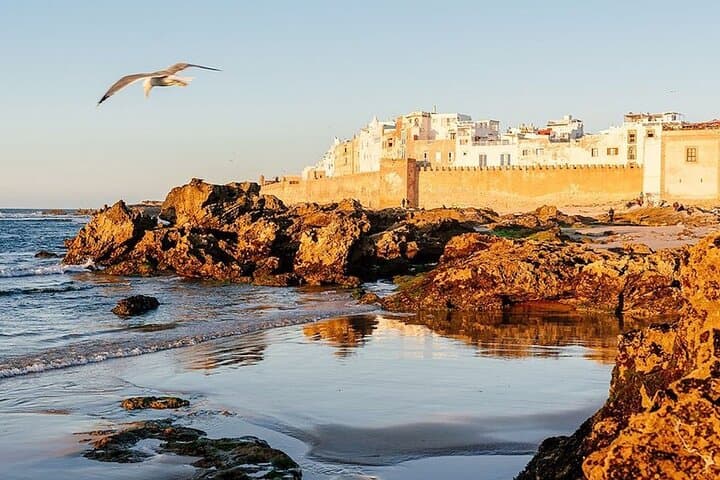
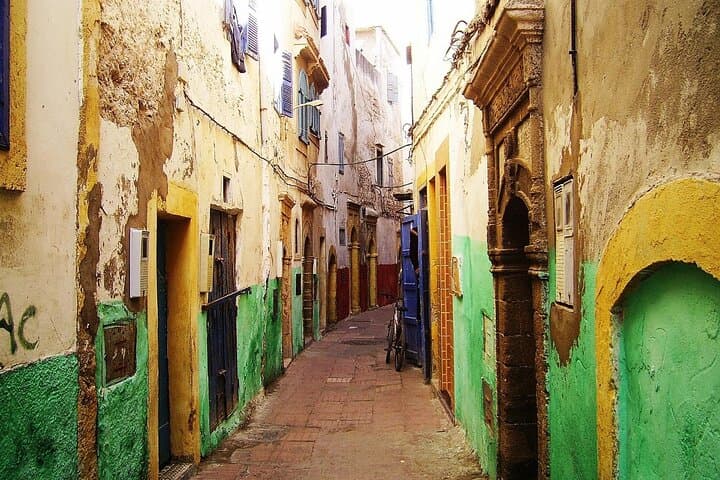
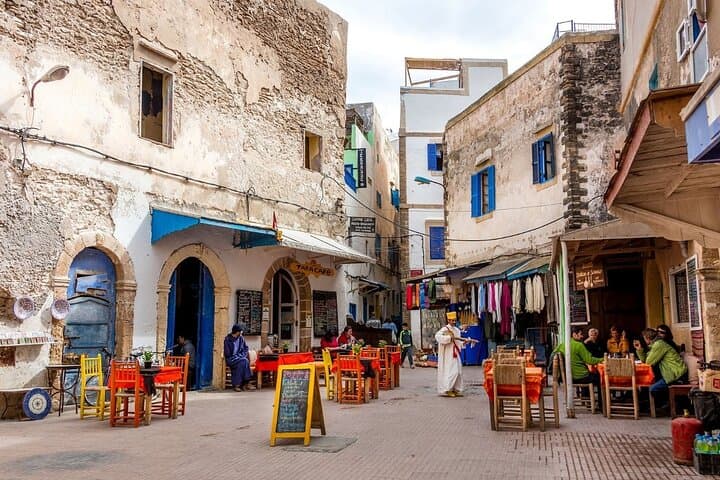
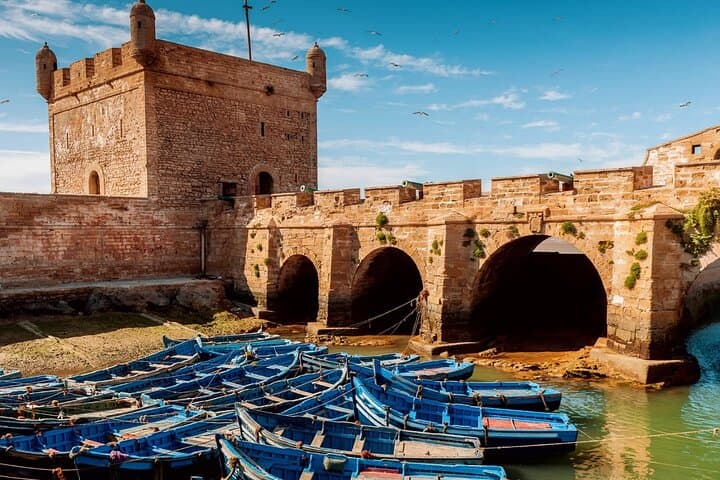
You arrive to the sound of wind and gulls: the Atlantic pushes up against low, stone ramparts while a string of wooden fishing boats rocks in the harbor. Essaouira’s blue-and-white medina opens in narrow lanes that smell of salt, cedar and frying fish; the breeze threads through streets and dares you to slow down.
Verified experiences and guided adventures in the surrounding area.
Operated by think travel morocco · Essaouira, Marrakesh-Safi
You arrive to the sound of wind and gulls: the Atlantic pushes up against low, stone ramparts while a string of wooden fishing boats rocks in the harbor. Essaouira’s blue-and-white medina opens in narrow lanes that smell of salt, cedar and frying fish; the breeze threads through streets and dares you to slow down.
Historically called Mogador, Essaouira sits on Morocco’s Atlantic edge with fortifications built and rebuilt by Portuguese, Berber and later French interests — the cannons on the ramparts still point seaward. Geologically the coast is soft sandstone and wide sandbars; offshore swells make this a prime kitesurfing and windsurfing zone. Culturally the town is a crossroads: Gnawa rhythms, argan cooperatives run by local women, and a fishing-port economy shape daily life.
On a typical small-group day trip from Marrakech you’ll transit through argan country, visit a cooperative to see traditional pressing, stroll the UNESCO-listed medina, watch fishermen at the port, and spend time on the windswept beach where surfers and camel rides share the sand. Expect easy, mostly flat walking, open exposure to wind and sun, and multiple photo stops.
Practical tips: depart early to avoid peak traffic, bring a windproof layer and cash for markets, and allow 2.5–3 hours each way for the drive. The tour balances cultural stops with free time on the coast — ideal for travelers seeking a compact coastal contrast to Marrakech’s inland bustle.
easy.
8–10 hours.
Light fitness; short periods of walking and standing in the medina and on the beach. Suitable for most travelers.
Plan for roughly 2.5–3 hours each way depending on traffic and stops en route.
Yes — most day trips include a block of free time to wander markets, visit the port, or sit at a café.
Camel rides and watersports are typically optional extras offered locally and paid for on site, not included in the standard tour price.
The itinerary is generally easy and family-friendly; however, cobbled streets and some steps in the medina can be challenging for mobility-limited guests.
Essaouira (formerly Mogador) has served as an Atlantic port since the 18th century, with fortifications influenced by Portuguese and European designers and a long tradition of trade and fishing.
Argan cooperatives support local economies and sustainable harvesting; visitors should avoid single-use plastics and respect protected coastal dunes.
think travel morocco operates guided outdoor trips and adventures with an emphasis on safety, stewardship, and memorable experiences.
You arrive to the sound of wind and gulls: the Atlantic pushes up against low, stone ramparts while a string of wooden fishing boats rocks in the harbor. Essaouira’s blue-and-white medina opens in narrow lanes that smell of salt, cedar and frying fish; the breeze threads through streets and dares you to slow down.
You arrive to the sound of wind and gulls: the Atlantic pushes up against low, stone ramparts while a string of wooden fishing boats rocks in the harbor. Essaouira’s blue-and-white medina opens in narrow lanes that smell of salt, cedar and frying fish; the breeze threads through streets and dares you to slow down.
Historically called Mogador, Essaouira sits on Morocco’s Atlantic edge with fortifications built and rebuilt by Portuguese, Berber and later French interests — the cannons on the ramparts still point seaward. Geologically the coast is soft sandstone and wide sandbars; offshore swells make this a prime kitesurfing and windsurfing zone. Culturally the town is a crossroads: Gnawa rhythms, argan cooperatives run by local women, and a fishing-port economy shape daily life.
On a typical small-group day trip from Marrakech you’ll transit through argan country, visit a cooperative to see traditional pressing, stroll the UNESCO-listed medina, watch fishermen at the port, and spend time on the windswept beach where surfers and camel rides share the sand. Expect easy, mostly flat walking, open exposure to wind and sun, and multiple photo stops.
Practical tips: depart early to avoid peak traffic, bring a windproof layer and cash for markets, and allow 2.5–3 hours each way for the drive. The tour balances cultural stops with free time on the coast — ideal for travelers seeking a compact coastal contrast to Marrakech’s inland bustle.