THE ADVENTURE COLLECTIVE® · Independent discovery and booking for outdoor travel

Escape Marrakech for a day on the Atlantic coast: visit argan co‑operatives, explore Essaouira’s ramparts and beach, and feel the wind that made the town famous. A practical, private day trip ideal for light walkers and culture seekers.
Escape Marrakech for a day on the Atlantic coast: visit argan co‑operatives, explore Essaouira’s ramparts and beach, and feel the wind that made the town famous. A practical, private day trip ideal for light walkers and culture seekers.
You step out of the air‑conditioned vehicle and the Atlantic wind finds you first—salty, cool, and impatient—sweeping across Essaouira’s wide beach. Blue‑painted doors and whitewashed walls line narrow lanes while gulls argue over the morning catch; the town feels built to meet the sea.
Verified experiences and guided adventures in the surrounding area.
Operated by Morocco Imperial Tours · Essaouira, Marrakech-Safi
You step out of the air‑conditioned vehicle and the Atlantic wind finds you first—salty, cool, and impatient—sweeping across Essaouira’s wide beach. Blue‑painted doors and whitewashed walls line narrow lanes while gulls argue over the morning catch; the town feels built to meet the sea.
The route west from Marrakech moves through semi‑arid hills and the argan forest, a unique Mediterranean‑Atlantic transition where goats are famous for climbing trees to eat the fruit. Essaouira’s ramparts reflect layers of history: Phoenician and Berber predecessors, a fortified Portuguese plan from the 16th century, and later a cosmopolitan port known as Mogador. Geologically, the coast is a mix of sandy spits and rocky outcrops carved by the Atlantic’s persistent pull—hence the town’s role as a working harbor and windsurfing hotspot.
Culturally, you’ll glimpse the Mellah (old Jewish quarter), hand‑made argan goods from women’s co‑operatives, and perhaps the call of Gnawa music that marks the town’s contemporary identity.
Practical guidance: expect roughly a 7–8 hour outing with about 2–3 hours of on‑foot exploration in Essaouira. Wear layered clothing to manage coastal wind and clear sun, bring a refillable water bottle, and budget time for a relaxed seafood lunch at the port and a short co‑op visit. Photography is straightforward but be respectful in markets and at co‑ops—ask before shooting people. The trip suits travelers wanting a day away from Marrakech’s bustle, offering easy walking, cultural immersion, and a direct encounter with Atlantic coast rhythms.
easy.
7–8 hours.
Light fitness: comfortable with short urban walks and standing; no long hikes required
Expect around 2.5–3 hours each way depending on traffic and stops; the total tour runs roughly 7–8 hours.
Yes — children must be accompanied by an adult; the itinerary is family‑friendly with short walks.
Lunch is typically not included so you can choose a seaside restaurant or casual stall at the port; budget accordingly.
Yes — the day trip typically includes a stop at a women’s argan cooperative to see traditional extraction and sample products.
Essaouira (Mogador) has Phoenician and Berber roots, was fortified by the Portuguese in the 16th century, and grew as a cosmopolitan Atlantic port in the 18th–19th centuries.
The argan forest region is part of the Arganeraie Biosphere Reserve; support certified cooperatives and avoid disturbing tree‑climbing goats or trampling regeneration areas.
Morocco Imperial Tours operates guided outdoor trips and adventures with an emphasis on safety, stewardship, and memorable experiences.
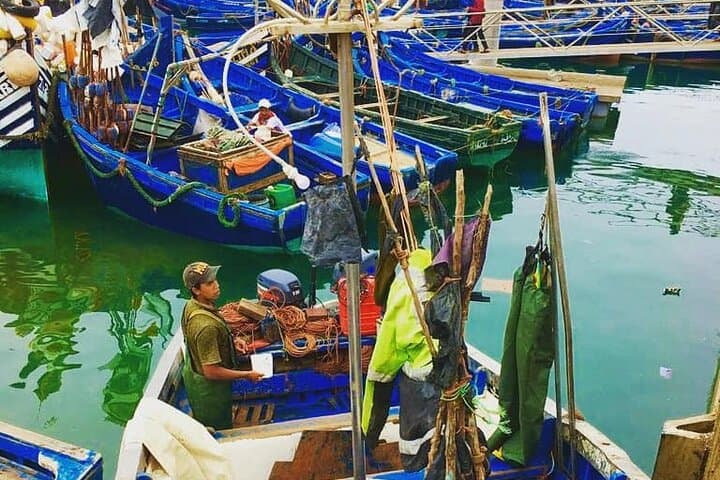


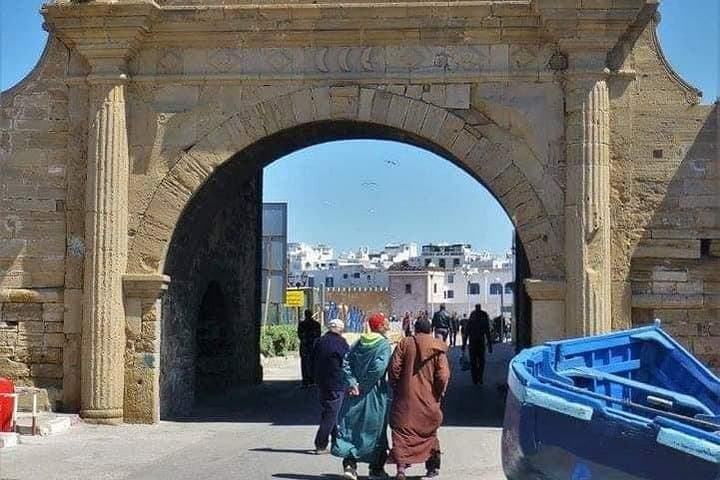
You step out of the air‑conditioned vehicle and the Atlantic wind finds you first—salty, cool, and impatient—sweeping across Essaouira’s wide beach. Blue‑painted doors and whitewashed walls line narrow lanes while gulls argue over the morning catch; the town feels built to meet the sea.
You step out of the air‑conditioned vehicle and the Atlantic wind finds you first—salty, cool, and impatient—sweeping across Essaouira’s wide beach. Blue‑painted doors and whitewashed walls line narrow lanes while gulls argue over the morning catch; the town feels built to meet the sea.
The route west from Marrakech moves through semi‑arid hills and the argan forest, a unique Mediterranean‑Atlantic transition where goats are famous for climbing trees to eat the fruit. Essaouira’s ramparts reflect layers of history: Phoenician and Berber predecessors, a fortified Portuguese plan from the 16th century, and later a cosmopolitan port known as Mogador. Geologically, the coast is a mix of sandy spits and rocky outcrops carved by the Atlantic’s persistent pull—hence the town’s role as a working harbor and windsurfing hotspot.
Culturally, you’ll glimpse the Mellah (old Jewish quarter), hand‑made argan goods from women’s co‑operatives, and perhaps the call of Gnawa music that marks the town’s contemporary identity.
Practical guidance: expect roughly a 7–8 hour outing with about 2–3 hours of on‑foot exploration in Essaouira. Wear layered clothing to manage coastal wind and clear sun, bring a refillable water bottle, and budget time for a relaxed seafood lunch at the port and a short co‑op visit. Photography is straightforward but be respectful in markets and at co‑ops—ask before shooting people. The trip suits travelers wanting a day away from Marrakech’s bustle, offering easy walking, cultural immersion, and a direct encounter with Atlantic coast rhythms.