THE ADVENTURE COLLECTIVE® · Independent discovery and booking for outdoor travel

A private full‑day from Marrakech to Essaouira delivers Atlantic wind, 18th‑century ramparts, and a working fishing port in one immersive day. Expect cobbled medina lanes, fresh seafood, and steady trade winds—plan for a long but walkable day with simple logistics handled for you.
A private full‑day from Marrakech to Essaouira delivers Atlantic wind, 18th‑century ramparts, and a working fishing port in one immersive day. Expect cobbled medina lanes, fresh seafood, and steady trade winds—plan for a long but walkable day with simple logistics handled for you.
You leave Marrakech before the heat builds, the minivan threading through argan-studded scrub until the Atlantic wind cuts in and the air tastes of salt and cedar smoke. By the time the ramparts of Essaouira appear—broad, weathered walls facing a restless sea—you feel the town’s maritime mood: gulls command the harbor, fishermen haul nets, and the wind dares you to stand at the gunports.
Verified experiences and guided adventures in the surrounding area.
Operated by Marrakech Tours · Essaouira, Marrakech-Safi
You leave Marrakech before the heat builds, the minivan threading through argan-studded scrub until the Atlantic wind cuts in and the air tastes of salt and cedar smoke. By the time the ramparts of Essaouira appear—broad, weathered walls facing a restless sea—you feel the town’s maritime mood: gulls command the harbor, fishermen haul nets, and the wind dares you to stand at the gunports.
Essaouira’s stones tell layered stories. Built and rebuilt by Portuguese and later consolidated under Alaouite rule, the medina’s straight, sea-facing streets were designed for trade and defense; its name comes from a Berber word meaning “wall.” Geologically, the coast is a low-lying Atlantic shelf of sand and limestone, where steady trade winds have made the bay a world-class kite- and wind-surfing arena and shaped the wide beach that frames the town.
Culture here is tactile: Gnawa music threads the lanes, argan cooperatives fold women’s work into the economy, and the fishing port still sets the rhythm of daily life. Expect cobbled alleys, brisk sea breezes, and seafood grills that call out from the quayside.
Practical guide: the drive from Marrakech is roughly 2.5–3 hours each way; plan for 10–12 hours total. Wear sturdy shoes for cobbles and steps, bring layered wind protection, and carry cash for market stalls. Early arrival at the ramparts and port gives better light and fewer tour crowds; allow time to walk the medina, visit the fish market, and stand on Skala du Port to watch the Atlantic roll in. Hotel pickup in Marrakech and private transport simplify logistics—pack water, a hat, and a sense of curiosity.
easy.
10–12 hours.
Light fitness recommended—able to handle several hours of walking across uneven cobblestones and short stair sections.
Expect roughly 2.5–3 hours each way depending on traffic and your pickup location in Marrakech.
Yes—walking is moderate and can be adjusted; transfer is by air‑conditioned minivan and the pace is flexible for private groups.
Yes—the itinerary typically includes a stop at the port or a seaside restaurant where fresh catch is available; bring cash for smaller vendors.
Most medina areas are open‑access; specific museums or activities may require entry fees, but the private guide will handle logistics and timing.
Essaouira’s fortified medina dates to European and Alaouite coastal defense works; its port sustained international trade and a mixed Berber, Jewish and Saharan caravan culture.
Support local argan cooperatives and avoid purchasing shells or coral; stick to marked paths on dunes and respect fishing crews to reduce pressure on coastal ecosystems.
Marrakech Tours operates guided outdoor trips and adventures with an emphasis on safety, stewardship, and memorable experiences.
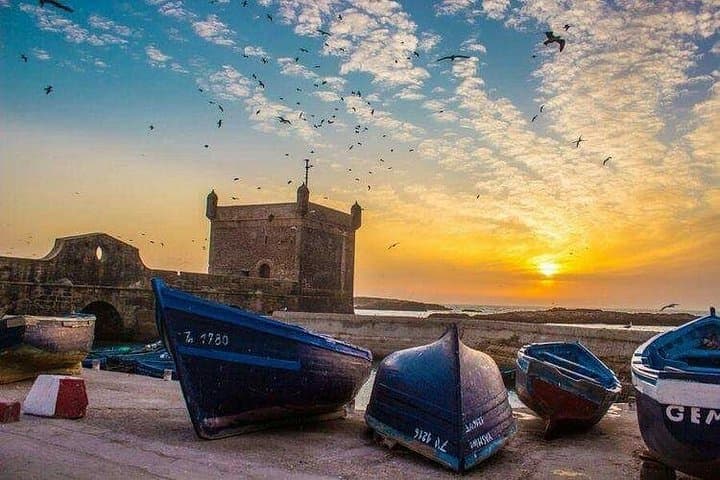
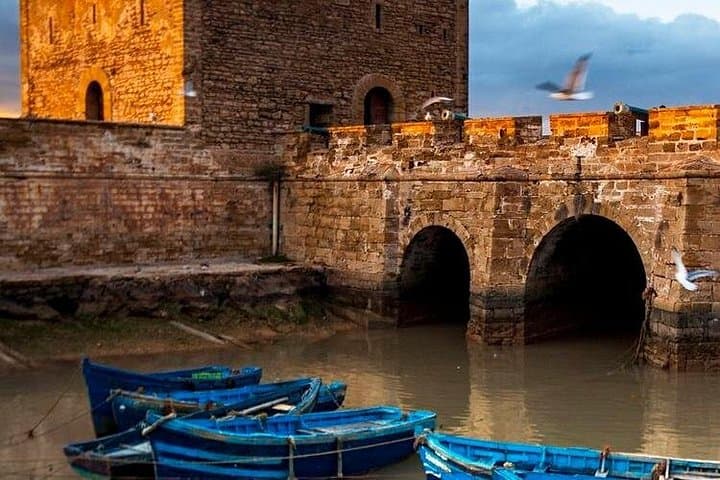
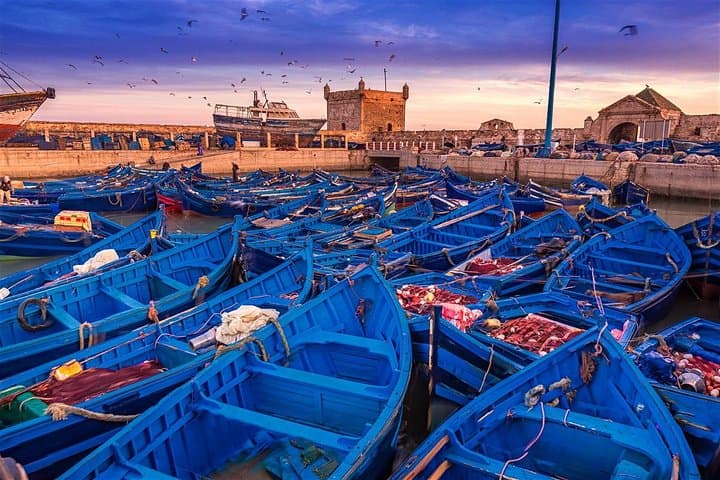

You leave Marrakech before the heat builds, the minivan threading through argan-studded scrub until the Atlantic wind cuts in and the air tastes of salt and cedar smoke. By the time the ramparts of Essaouira appear—broad, weathered walls facing a restless sea—you feel the town’s maritime mood: gulls command the harbor, fishermen haul nets, and the wind dares you to stand at the gunports.
You leave Marrakech before the heat builds, the minivan threading through argan-studded scrub until the Atlantic wind cuts in and the air tastes of salt and cedar smoke. By the time the ramparts of Essaouira appear—broad, weathered walls facing a restless sea—you feel the town’s maritime mood: gulls command the harbor, fishermen haul nets, and the wind dares you to stand at the gunports.
Essaouira’s stones tell layered stories. Built and rebuilt by Portuguese and later consolidated under Alaouite rule, the medina’s straight, sea-facing streets were designed for trade and defense; its name comes from a Berber word meaning “wall.” Geologically, the coast is a low-lying Atlantic shelf of sand and limestone, where steady trade winds have made the bay a world-class kite- and wind-surfing arena and shaped the wide beach that frames the town.
Culture here is tactile: Gnawa music threads the lanes, argan cooperatives fold women’s work into the economy, and the fishing port still sets the rhythm of daily life. Expect cobbled alleys, brisk sea breezes, and seafood grills that call out from the quayside.
Practical guide: the drive from Marrakech is roughly 2.5–3 hours each way; plan for 10–12 hours total. Wear sturdy shoes for cobbles and steps, bring layered wind protection, and carry cash for market stalls. Early arrival at the ramparts and port gives better light and fewer tour crowds; allow time to walk the medina, visit the fish market, and stand on Skala du Port to watch the Atlantic roll in. Hotel pickup in Marrakech and private transport simplify logistics—pack water, a hat, and a sense of curiosity.