THE ADVENTURE COLLECTIVE® · Independent discovery and booking for outdoor travel

Escape Marrakech for a private full-day excursion to Essaouira (Mogador), a breezy Atlantic port with fortified ramparts, fresh fish markets, and a relaxed coastal pace. This private tour includes transport, a city orientation, and time to explore the medina and beach at your own tempo.
Escape Marrakech for a private full-day excursion to Essaouira (Mogador), a breezy Atlantic port with fortified ramparts, fresh fish markets, and a relaxed coastal pace. This private tour includes transport, a city orientation, and time to explore the medina and beach at your own tempo.
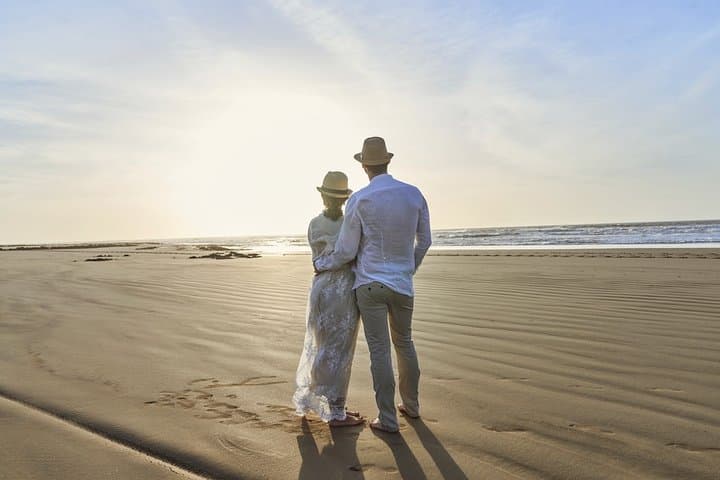
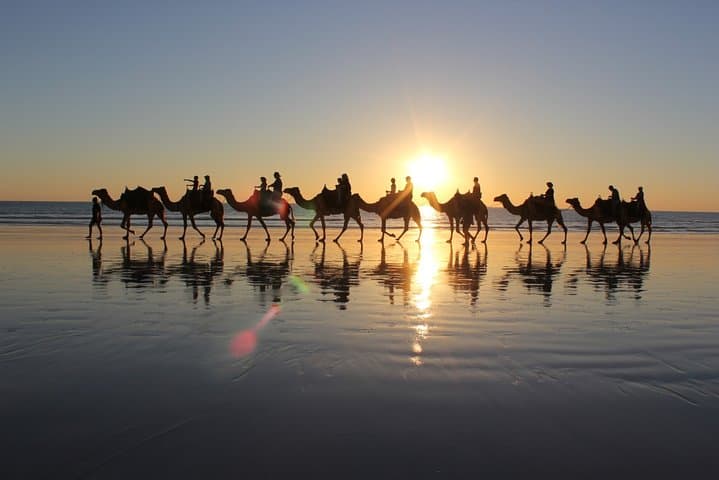
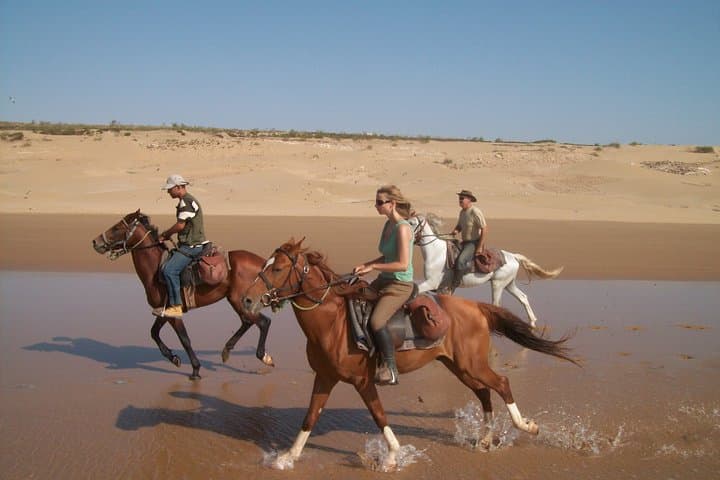
You step out of the van onto wind-swept sand as the Atlantic pushes a cool breath over Essaouira’s long beach; gulls map the shoreline and the sea seems to dare you to walk farther. The city—known historically as Mogador—unfurls in a grid of pale ochre buildings, blue shutters, and the clacking rhythm of fishermen’s nets at the harbor.
Verified experiences and guided adventures in the surrounding area.
Operated by Marrakeh City Breaks · Essaouira, Marrakech-Safi
You step out of the van onto wind-swept sand as the Atlantic pushes a cool breath over Essaouira’s long beach; gulls map the shoreline and the sea seems to dare you to walk farther. The city—known historically as Mogador—unfurls in a grid of pale ochre buildings, blue shutters, and the clacking rhythm of fishermen’s nets at the harbor.
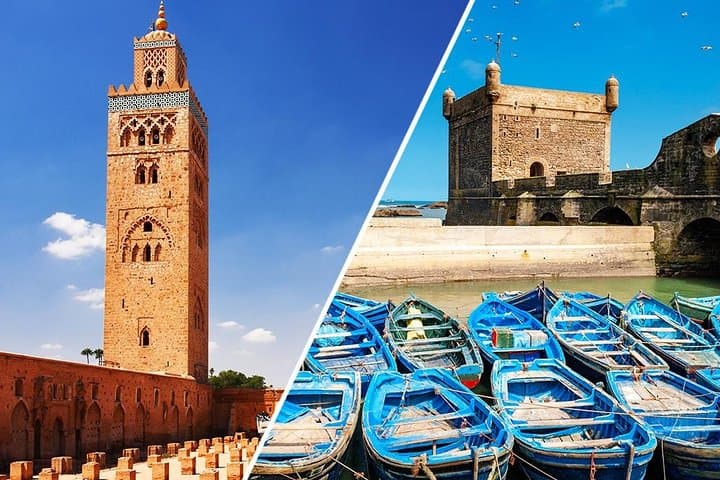
Essaouira’s bones are visible in its stonework: a 15th-century Portuguese military layout later contested by pirates, then reorganized as a free port by Sultan Mohammed ben Abdullah in the 18th century. Geologically the coastline here is exposed sandstone and limestone cliffs smoothed by persistent Atlantic swell; the winds that shape the dunes are the same ones that have defined local architecture and fishing culture.
Local life centers on fish, argan oil cooperatives, and wind-driven sports—kitesurfers slice the horizon while goats browse low argan trees inland. The medina’s low ramparts, the Skala bastions, and the busy fish market offer sensory snapshots of Essaouira’s maritime economy and artistic scene.
Practical guide: expect an 8–10 hour private round-trip from Marrakech with comfortable door-to-door transport. Bring layered clothing for coastal wind, a sun hat, and cash for the market and optional seafood lunch. The day is low-impact physically—mostly walking on cobbles and sand—but uneven surfaces reward sensible footwear and steady footing. Time your visit for morning light on the ramparts or late afternoon for softer colors and fewer crowds. Respect local vendors and argan cooperatives; purchase directly if you want ethically produced goods. With a private vehicle, the rhythm of the day is yours: stroll, eat, and watch the Atlantic pull the city’s life back toward the sea.
easy.
8–10 hours.
Suitable for most fitness levels; involves moderate walking on cobbles and sand.
Yes — the private tour includes round-trip private transportation between your Marrakech pickup and Essaouira.
Lunch is optional; the itinerary offers time for an optional seafood lunch at a recommended restaurant (payable locally).
Many areas in Essaouira are accessible, but cobbled medina streets and ramps can be uneven—check with the operator about specific needs before booking.
You can swim at the long beach, but Atlantic conditions can be rough; exercise caution and check local advice before entering the water.
Essaouira (Mogador) was fortified by the Portuguese in the 15th century, later shaped by pirate activity and designated a free port by Sultan Mohammed ben Abdullah in the 18th century.
Argan forests nearby are ecologically sensitive; support female-run cooperatives that harvest argan sustainably and avoid disturbing wildlife or fragile dune habitats.
Marrakeh City Breaks operates guided outdoor trips and adventures with an emphasis on safety, stewardship, and memorable experiences.
You step out of the van onto wind-swept sand as the Atlantic pushes a cool breath over Essaouira’s long beach; gulls map the shoreline and the sea seems to dare you to walk farther. The city—known historically as Mogador—unfurls in a grid of pale ochre buildings, blue shutters, and the clacking rhythm of fishermen’s nets at the harbor.
You step out of the van onto wind-swept sand as the Atlantic pushes a cool breath over Essaouira’s long beach; gulls map the shoreline and the sea seems to dare you to walk farther. The city—known historically as Mogador—unfurls in a grid of pale ochre buildings, blue shutters, and the clacking rhythm of fishermen’s nets at the harbor.
Essaouira’s bones are visible in its stonework: a 15th-century Portuguese military layout later contested by pirates, then reorganized as a free port by Sultan Mohammed ben Abdullah in the 18th century. Geologically the coastline here is exposed sandstone and limestone cliffs smoothed by persistent Atlantic swell; the winds that shape the dunes are the same ones that have defined local architecture and fishing culture.
Local life centers on fish, argan oil cooperatives, and wind-driven sports—kitesurfers slice the horizon while goats browse low argan trees inland. The medina’s low ramparts, the Skala bastions, and the busy fish market offer sensory snapshots of Essaouira’s maritime economy and artistic scene.
Practical guide: expect an 8–10 hour private round-trip from Marrakech with comfortable door-to-door transport. Bring layered clothing for coastal wind, a sun hat, and cash for the market and optional seafood lunch. The day is low-impact physically—mostly walking on cobbles and sand—but uneven surfaces reward sensible footwear and steady footing. Time your visit for morning light on the ramparts or late afternoon for softer colors and fewer crowds. Respect local vendors and argan cooperatives; purchase directly if you want ethically produced goods. With a private vehicle, the rhythm of the day is yours: stroll, eat, and watch the Atlantic pull the city’s life back toward the sea.