THE ADVENTURE COLLECTIVE® · Independent discovery and booking for outdoor travel

A full-day private drive from Marrakech to Essaouira delivers Atlantic wind, fortified ramparts, and argan tree goats. This guide covers what to see, local history, and practical tips for a long but rewarding day by the sea.
A full-day private drive from Marrakech to Essaouira delivers Atlantic wind, fortified ramparts, and argan tree goats. This guide covers what to see, local history, and practical tips for a long but rewarding day by the sea.
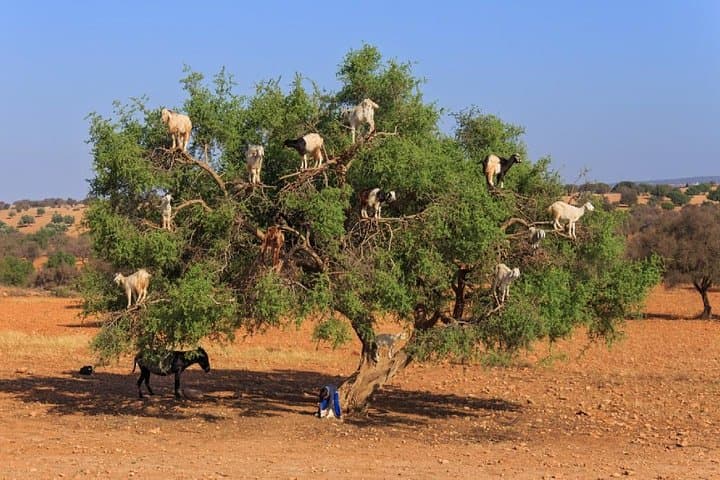
You pull away from Marrakech at first light, the minivan humming through argan-dotted scrub until the road opens to wind and sea. The Atlantic air hits first—salty and sharp—carrying the distant sound of gulls and the steady rhythm of waves. A stop in an argan grove reveals the region’s oddest spectacle: goats perched in trees, browsing fruits while women at cooperatives press kernels into golden oil.
Verified experiences and guided adventures in the surrounding area.
Operated by Safari Desert Tours · Essaouira, Marrakesh-Safi
You pull away from Marrakech at first light, the minivan humming through argan-dotted scrub until the road opens to wind and sea. The Atlantic air hits first—salty and sharp—carrying the distant sound of gulls and the steady rhythm of waves. A stop in an argan grove reveals the region’s oddest spectacle: goats perched in trees, browsing fruits while women at cooperatives press kernels into golden oil.
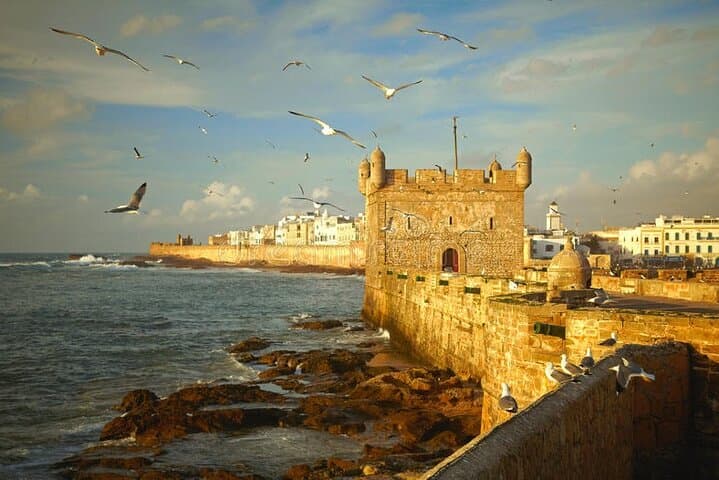
Essaouira sits on a plain of sand and low cliffs where 18th-century European military planning met North African craft. The medina—UNESCO-listed—keeps the grid-like layout and stout ramparts built to manage trade winds and cannons rather than aesthetic fashion. Geology here is simple: wind-sieved beaches, shell-rich sands, and exposed limestone jetties that funnel the sea and shape the harbor.
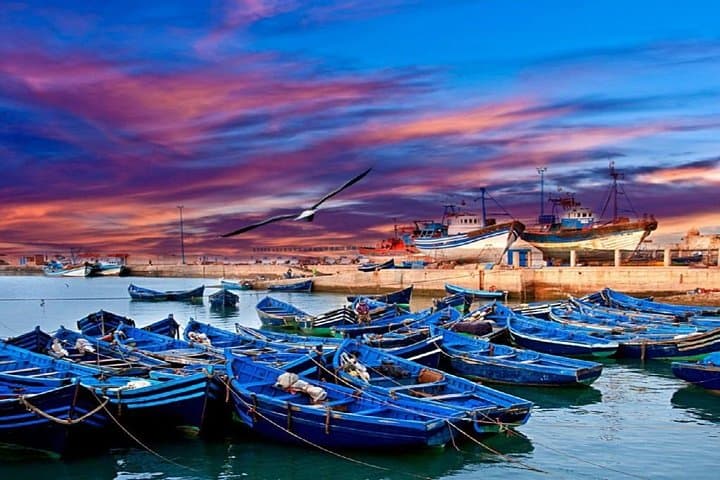
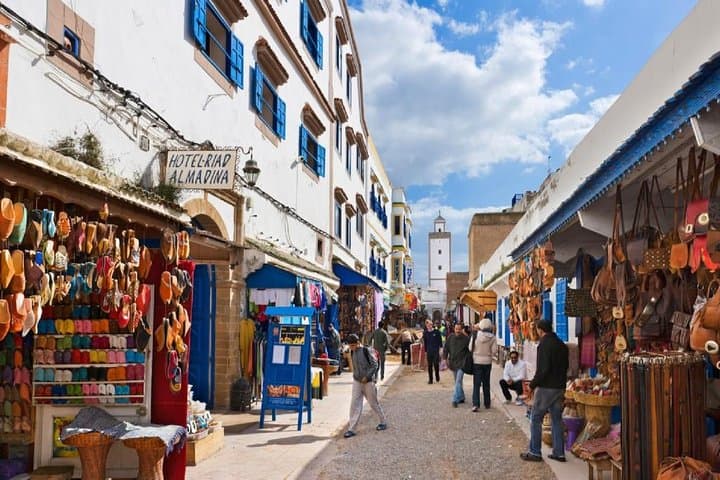
Culturally, Essaouira is a working fishing port and a music town; you’ll encounter fresh catches at the quay and strains of Gnawa in cafés. Expect stone alleys, carved wooden doors, and mahogany artisans selling in the souk.
Practically: plan for an 11–12 hour day including round-trip driving. Bring layered windproof clothing, sturdy shoes for cobbles, sun protection, and cash for small vendors. Time your visit for morning light on the ramparts or late afternoon for softer photos and cooler sea breezes. Respect cooperative workflows if visiting argan producers and allow time to wander the Skala and old harbor—those jutting walls offer the clearest sense of the town’s maritime past.
moderate.
11–12 hours.
Suitable for travelers who can tolerate long vehicle transfers with short to moderate walking on uneven surfaces
Expect about 2.5 to 3 hours each way depending on traffic and stops—total trip time is roughly 11–12 hours.
This tour typically provides bottled water and transportation; meals and restaurant orders in Essaouira are paid onboard by participants unless stated otherwise.
Yes—infant seats are available and the pace is suitable for families, though prepare for a long day and windy conditions on the coast.
Yes—many itineraries include an optional stop at a women’s cooperative to see traditional argan oil production and buy products directly.
Essaouira was redesigned in the late 18th century as a fortified international port using contemporary European military principles integrated into a North African context, and the old medina is a UNESCO World Heritage site.
Support local argan cooperatives and avoid single-use plastics; the argan ecosystem is fragile and benefits from sustainable harvesting and ecotourism revenue.
Safari Desert Tours operates guided outdoor trips and adventures with an emphasis on safety, stewardship, and memorable experiences.
You pull away from Marrakech at first light, the minivan humming through argan-dotted scrub until the road opens to wind and sea. The Atlantic air hits first—salty and sharp—carrying the distant sound of gulls and the steady rhythm of waves. A stop in an argan grove reveals the region’s oddest spectacle: goats perched in trees, browsing fruits while women at cooperatives press kernels into golden oil.
You pull away from Marrakech at first light, the minivan humming through argan-dotted scrub until the road opens to wind and sea. The Atlantic air hits first—salty and sharp—carrying the distant sound of gulls and the steady rhythm of waves. A stop in an argan grove reveals the region’s oddest spectacle: goats perched in trees, browsing fruits while women at cooperatives press kernels into golden oil.
Essaouira sits on a plain of sand and low cliffs where 18th-century European military planning met North African craft. The medina—UNESCO-listed—keeps the grid-like layout and stout ramparts built to manage trade winds and cannons rather than aesthetic fashion. Geology here is simple: wind-sieved beaches, shell-rich sands, and exposed limestone jetties that funnel the sea and shape the harbor.
Culturally, Essaouira is a working fishing port and a music town; you’ll encounter fresh catches at the quay and strains of Gnawa in cafés. Expect stone alleys, carved wooden doors, and mahogany artisans selling in the souk.
Practically: plan for an 11–12 hour day including round-trip driving. Bring layered windproof clothing, sturdy shoes for cobbles, sun protection, and cash for small vendors. Time your visit for morning light on the ramparts or late afternoon for softer photos and cooler sea breezes. Respect cooperative workflows if visiting argan producers and allow time to wander the Skala and old harbor—those jutting walls offer the clearest sense of the town’s maritime past.