THE ADVENTURE COLLECTIVE® · Independent discovery and booking for outdoor travel

Escape Marrakech for a full-day coastal circuit to Essaouira—UNESCO medina, wind-swept beaches, and fresh seafood at the working port. This easy-paced outing blends culture, craft and ocean views with a manageable drive back the same evening.
Escape Marrakech for a full-day coastal circuit to Essaouira—UNESCO medina, wind-swept beaches, and fresh seafood at the working port. This easy-paced outing blends culture, craft and ocean views with a manageable drive back the same evening.
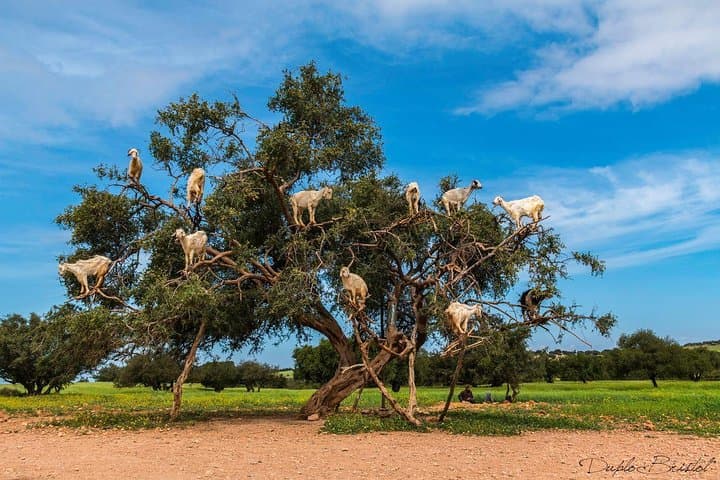
Morning light over the Atlantic cuts across white sails and the ochre walls of Essaouira; gulls call as the minivan eases out of Marrakech and the landscape opens into scrub, argan trees and dunes.
Verified experiences and guided adventures in the surrounding area.
Operated by Marrakesh Travel Services · Essaouira, Marrakech-Safi
Morning light over the Atlantic cuts across white sails and the ochre walls of Essaouira; gulls call as the minivan eases out of Marrakech and the landscape opens into scrub, argan trees and dunes.
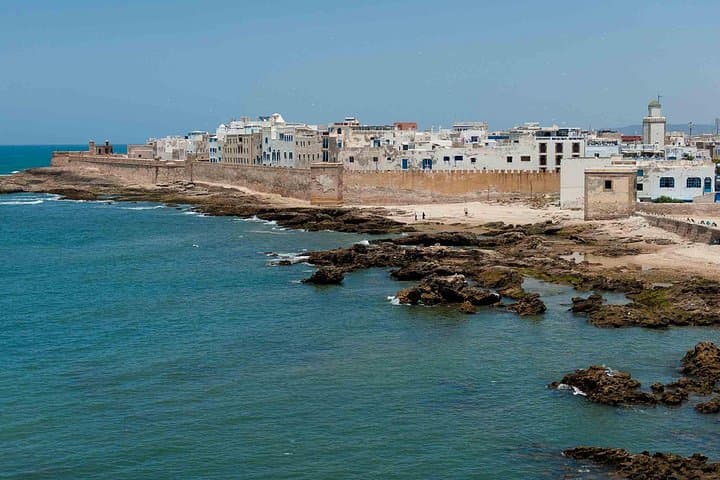
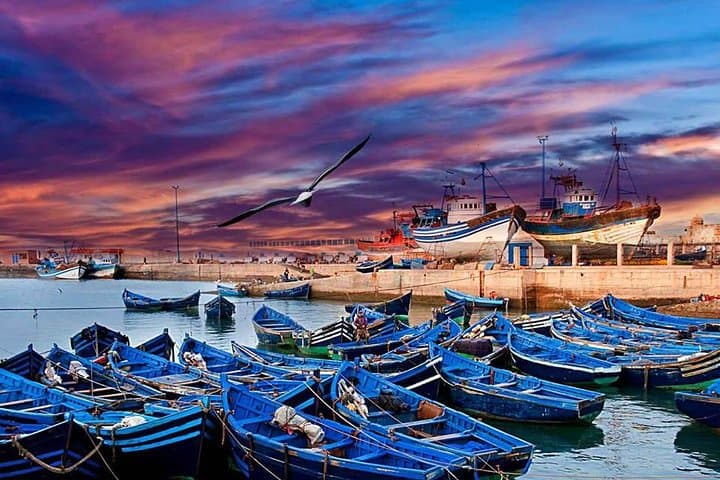
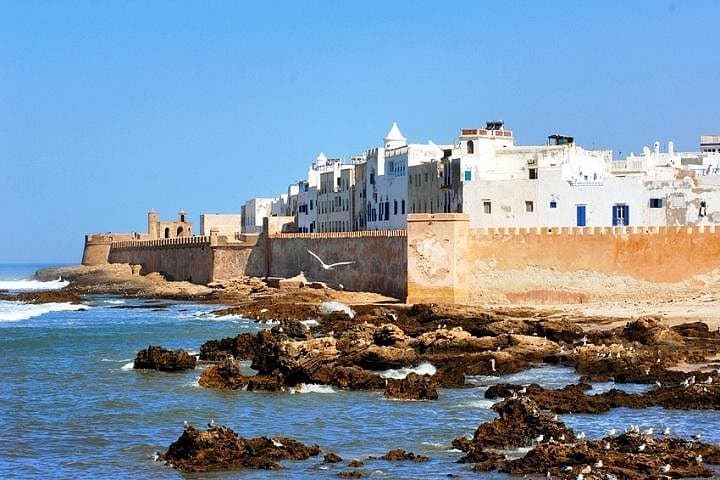
Once called Mogador, Essaouira’s compact port city wears its history plainly: 18th-century fortifications, a working harbor of blue fishing boats, and a UNESCO-listed medina laid out in broad streets made for trade and craft. Geologically, the coast is shaped by Atlantic winds and a rocky shelf that creates consistent surf and wide tidal flats; culturally, the town is a meeting point of Berber argan producers, Portuguese and French colonial architecture, and a longstanding artisanal scene in woodwork and silver.
On a day trip, expect a 2.5–3 hour transfer each way, stops at an argan cooperative, a short market walk, and time for lunch in the port where fish arrives straight from the quay. The medina’s ramparts give wide ocean views while the beach and wind-swept promenade invite a brisk stroll—currents and surf here command respect, but the shoreline also offers open space to watch kites and fishermen.
Practical guidance: leave Marrakech early to avoid midday heat, carry local currency for market purchases, and plan comfortable walking shoes for cobbles and steps. Bring a light layer against coastal wind and a sun hat for exposed ramps. Time your visit to allow at least two hours in the medina and port to sample fresh seafood and browse argan products before the return drive to Marrakech.
easy.
10–11 hours.
Suitable for most fitness levels; requires walking on cobbles and short stair sections.
The drive typically takes 2.5–3 hours one way depending on traffic and the number of scheduled stops.
Lunch is usually at a local restaurant in Essaouira and may not be included—check the booking details for inclusions.
Yes; many cooperatives sell artisanal argan oil and demonstrations are common, but verify prices and quality before buying.
Yes; the itinerary provides a scheduled block of free time to walk the medina, visit the port, and shop.
Essaouira’s fortifications were rebuilt in the 18th century under Sultan Mohammed ben Abdallah to create a regulated port for Atlantic trade; Portuguese and French influences remain in the architecture.
Argan cooperatives often support local women’s livelihoods; visitors should buy directly from reputable producers and avoid products that exploit resources or wildlife.
Marrakesh Travel Services operates guided outdoor trips and adventures with an emphasis on safety, stewardship, and memorable experiences.
Morning light over the Atlantic cuts across white sails and the ochre walls of Essaouira; gulls call as the minivan eases out of Marrakech and the landscape opens into scrub, argan trees and dunes.
Morning light over the Atlantic cuts across white sails and the ochre walls of Essaouira; gulls call as the minivan eases out of Marrakech and the landscape opens into scrub, argan trees and dunes.
Once called Mogador, Essaouira’s compact port city wears its history plainly: 18th-century fortifications, a working harbor of blue fishing boats, and a UNESCO-listed medina laid out in broad streets made for trade and craft. Geologically, the coast is shaped by Atlantic winds and a rocky shelf that creates consistent surf and wide tidal flats; culturally, the town is a meeting point of Berber argan producers, Portuguese and French colonial architecture, and a longstanding artisanal scene in woodwork and silver.
On a day trip, expect a 2.5–3 hour transfer each way, stops at an argan cooperative, a short market walk, and time for lunch in the port where fish arrives straight from the quay. The medina’s ramparts give wide ocean views while the beach and wind-swept promenade invite a brisk stroll—currents and surf here command respect, but the shoreline also offers open space to watch kites and fishermen.
Practical guidance: leave Marrakech early to avoid midday heat, carry local currency for market purchases, and plan comfortable walking shoes for cobbles and steps. Bring a light layer against coastal wind and a sun hat for exposed ramps. Time your visit to allow at least two hours in the medina and port to sample fresh seafood and browse argan products before the return drive to Marrakech.