THE ADVENTURE COLLECTIVE® · Independent discovery and booking for outdoor travel

A wind-swept day on Morocco’s Atlantic coast: discover Essaouira’s fortifications, seaside medina and the argan cooperatives where goats famously climb trees. This full-day trip from Marrakech combines culture, coast and local craft with easy walking and scenic drives.
A wind-swept day on Morocco’s Atlantic coast: discover Essaouira’s fortifications, seaside medina and the argan cooperatives where goats famously climb trees. This full-day trip from Marrakech combines culture, coast and local craft with easy walking and scenic drives.
You arrive to the Atlantic wind first — a cool, briny breath that pushes inland and tugs at scarves and hats as the van pulls into Essaouira’s low stone ramparts. The medina opens in jagged lines of whitewashed houses and blue shutters, fishermen hauling nets below ramparts where gulls wheel like small propellers. The city feels like a working postcard: sun-bleached wood, cedar stalls, and the constant clack of trade.
Verified experiences and guided adventures in the surrounding area.
Operated by MarrakechAttraction.com · Essaouira, Marrakech-Safi
You arrive to the Atlantic wind first — a cool, briny breath that pushes inland and tugs at scarves and hats as the van pulls into Essaouira’s low stone ramparts. The medina opens in jagged lines of whitewashed houses and blue shutters, fishermen hauling nets below ramparts where gulls wheel like small propellers. The city feels like a working postcard: sun-bleached wood, cedar stalls, and the constant clack of trade.
Essaouira (once Mogador) grew as a fortified seaport in the 18th century, its walls influenced by Vauban-style fortification techniques adapted to a North African port. Geologically the coastline is a long, gentle sweep of wind-sculpted sand and layered coastal sandstone; the sea here chisels low cliffs and pockets perfect for harbors. Culturally, the town blends Berber, Arab, Jewish and European threads — visible in the medina’s layout, the Portuguese-styled citadel, and the long tradition of argan oil extraction by local women’s cooperatives.
Practical guidance: the full-day loop from Marrakech is a long but accessible day — expect about 3 hours each way by road with several short photo and visit stops. Wear grippy shoes for cobbled streets and light layers against the wind. Bring cash for cooperative stalls and small purchases; many vendors accept cards but remote stops do not. Hydrate for the drive and schedule visits to the argan cooperative earlier in the day when crowds are lighter. If you want time on the beach or more slow wandering in the medina, request modest extra time when booking. Essaouira rewards patient exploration: let the wind set the pace and follow narrow alleys to discover painted doors, spice-scented markets, and the improbable sight of goats in argan trees.
easy.
10 hours.
Suitable for most travelers who can sit for multi-hour drives and walk short distances on cobbles and flat beaches.
Expect about 2.5–3 hours each way depending on traffic and stops; the full tour is typically around 10 hours.
Transportation and some areas are wheelchair accessible, but historic medina streets and beach access can be uneven — check specifics with the operator for individual needs.
Yes — most itineraries include a lunch break in town; ask whether lunch is included or budget time and cash for a seaside restaurant.
Yes — visits to cooperatives are standard and offer demonstrations and products for sale; supporting local women’s cooperatives helps the community and conservation efforts.
Essaouira, historically called Mogador, developed as an 18th-century fortified trading port with fortifications influenced by European Vauban designs adapted to local town-planning.
The argan forest region is recognized for its ecological importance; purchasing from accredited cooperatives supports sustainable argan harvesting and local livelihoods while discouraging overgrazing and deforestation.
MarrakechAttraction.com operates guided outdoor trips and adventures with an emphasis on safety, stewardship, and memorable experiences.
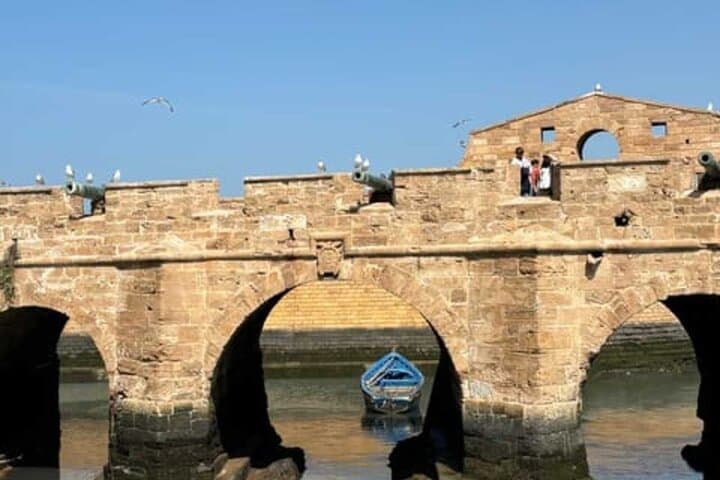
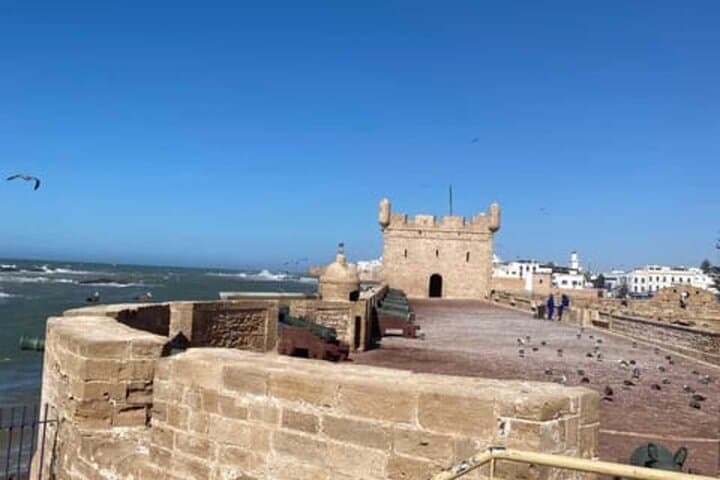
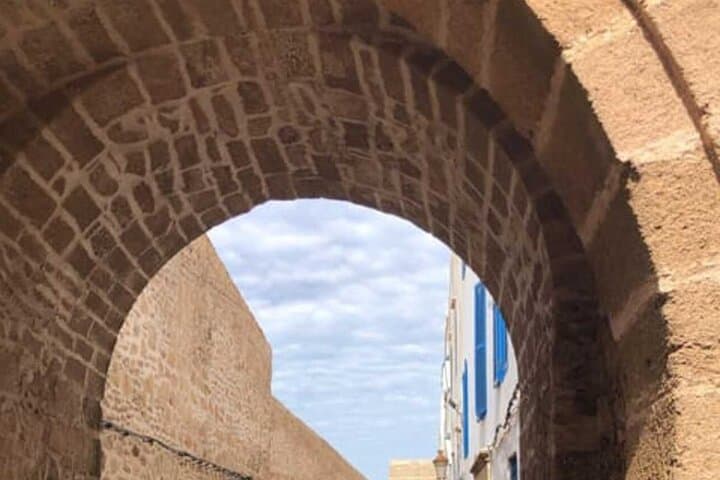

You arrive to the Atlantic wind first — a cool, briny breath that pushes inland and tugs at scarves and hats as the van pulls into Essaouira’s low stone ramparts. The medina opens in jagged lines of whitewashed houses and blue shutters, fishermen hauling nets below ramparts where gulls wheel like small propellers. The city feels like a working postcard: sun-bleached wood, cedar stalls, and the constant clack of trade.
You arrive to the Atlantic wind first — a cool, briny breath that pushes inland and tugs at scarves and hats as the van pulls into Essaouira’s low stone ramparts. The medina opens in jagged lines of whitewashed houses and blue shutters, fishermen hauling nets below ramparts where gulls wheel like small propellers. The city feels like a working postcard: sun-bleached wood, cedar stalls, and the constant clack of trade.
Essaouira (once Mogador) grew as a fortified seaport in the 18th century, its walls influenced by Vauban-style fortification techniques adapted to a North African port. Geologically the coastline is a long, gentle sweep of wind-sculpted sand and layered coastal sandstone; the sea here chisels low cliffs and pockets perfect for harbors. Culturally, the town blends Berber, Arab, Jewish and European threads — visible in the medina’s layout, the Portuguese-styled citadel, and the long tradition of argan oil extraction by local women’s cooperatives.
Practical guidance: the full-day loop from Marrakech is a long but accessible day — expect about 3 hours each way by road with several short photo and visit stops. Wear grippy shoes for cobbled streets and light layers against the wind. Bring cash for cooperative stalls and small purchases; many vendors accept cards but remote stops do not. Hydrate for the drive and schedule visits to the argan cooperative earlier in the day when crowds are lighter. If you want time on the beach or more slow wandering in the medina, request modest extra time when booking. Essaouira rewards patient exploration: let the wind set the pace and follow narrow alleys to discover painted doors, spice-scented markets, and the improbable sight of goats in argan trees.