THE ADVENTURE COLLECTIVE® · Independent discovery and booking for outdoor travel

Drive from Marrakech to Essaouira for a day of seaside ramparts, fresh seafood, and a UNESCO-listed medina. This practical guide explains what to expect, how to prepare, and where to find the town’s quieter corners.
Drive from Marrakech to Essaouira for a day of seaside ramparts, fresh seafood, and a UNESCO-listed medina. This practical guide explains what to expect, how to prepare, and where to find the town’s quieter corners.
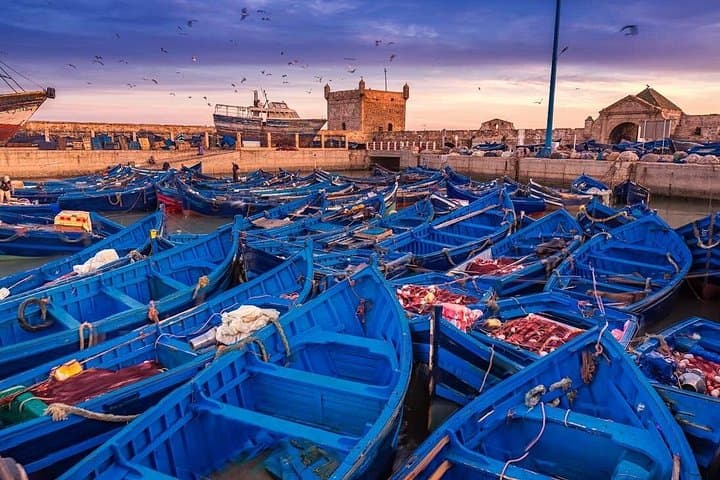
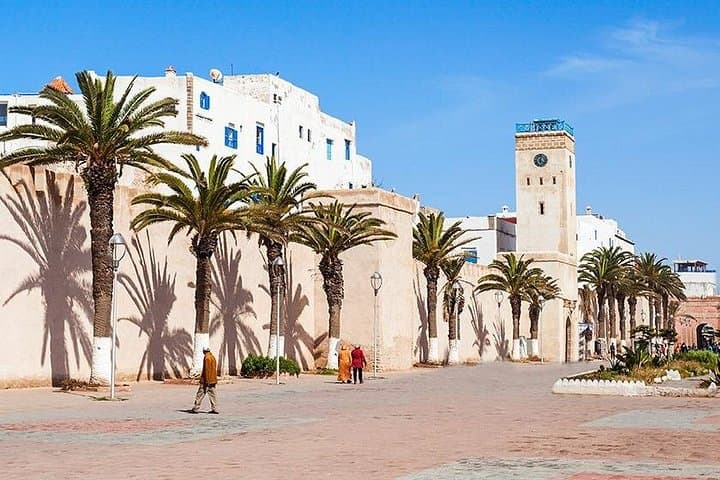
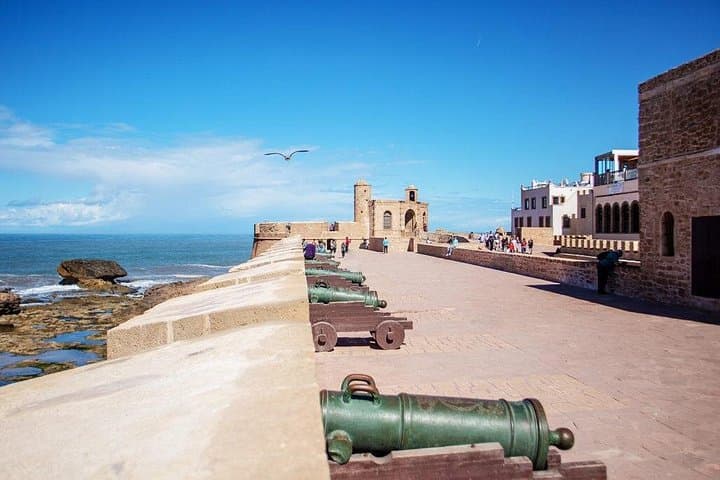
You step off the air-conditioned minibus and the Atlantic wind meets you like a hand on your shoulder, urging you toward the water. Whitewashed walls line narrow streets that smell of sea salt and frying fish; the low roar of waves undercuts the chatter of market stalls. Essaouira’s ramparts rise stoic above the harbor, cannons angled toward an expanse of gray-blue sea that changes texture with the wind.
Verified experiences and guided adventures in the surrounding area.
Operated by Morocco With Nasser · Essaouira, Marrakesh-Safi
You step off the air-conditioned minibus and the Atlantic wind meets you like a hand on your shoulder, urging you toward the water. Whitewashed walls line narrow streets that smell of sea salt and frying fish; the low roar of waves undercuts the chatter of market stalls. Essaouira’s ramparts rise stoic above the harbor, cannons angled toward an expanse of gray-blue sea that changes texture with the wind.
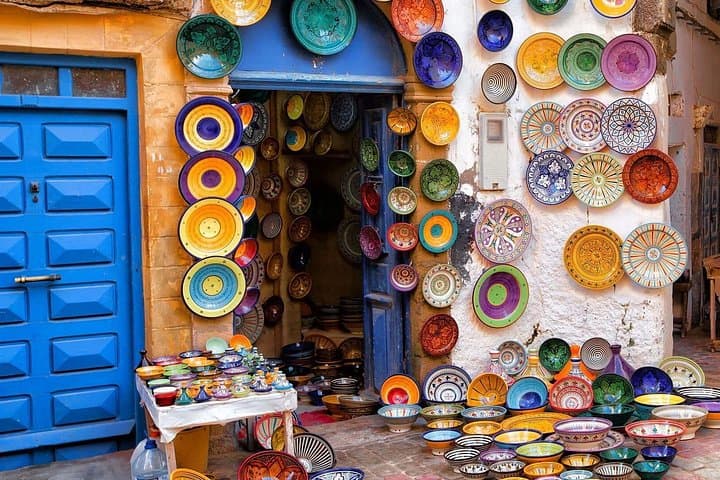
Founded as Mogador and reshaped in the 18th century by European military engineers, Essaouira’s medina is UNESCO-listed for its intact grid and coastal defenses. Geologically, the coast is a meeting of Saharan sands and Atlantic currents, forming broad beaches and shifting dunes to the south. Culturally, the town blends Berber, Arab and Portuguese influences — artisan shops still craft thuya wood and argan oil cooperatives maintain traditional pressing techniques.
For the day-tripper from Marrakech the itinerary is straightforward: about a 2.5–3 hour drive each way, a stop at an argan cooperative, two to three hours to walk the medina and ramparts, time at the fish port and a seaside lunch. Expect cobbled alleys, sudden views of the sea, and strong wind that can change plans for sunbathing but makes for excellent kite-surfing conditions.
Practical guidance: wear sturdy walking shoes for uneven stones, bring a windproof layer and sun protection, and carry small cash for stalls and seafood restaurants. Plan arrival mid-morning to avoid the hottest sun and use the return trip to rest — the drive back to Marrakech is the best time to review photos and buy a jar of argan oil as a tangible memory of the coast.
easy.
10–12 hours.
Light fitness—mostly walking on flat cobbles and short stair sections; suitable for most travelers
Expect about 2.5–3 hours each way depending on traffic and the chosen route.
No—free time is given to choose a seafood restaurant; budget accordingly for a fresh-catch meal.
Yes—break stops are typically scheduled, including the argan cooperative where facilities are available.
Yes—the tour is rated easy and stroller-accessible, but be prepared for windy conditions on the coast.
Essaouira (formerly Mogador) was fortified in the 18th century with European-style ramparts and long served as a trading hub linking inland Morocco to Atlantic trade routes.
Argan cooperatives support local women and sustainable harvesting; visitors should avoid disturbing dune vegetation and reduce plastic waste to protect coastal and marine habitats.
Morocco With Nasser operates guided outdoor trips and adventures with an emphasis on safety, stewardship, and memorable experiences.
You step off the air-conditioned minibus and the Atlantic wind meets you like a hand on your shoulder, urging you toward the water. Whitewashed walls line narrow streets that smell of sea salt and frying fish; the low roar of waves undercuts the chatter of market stalls. Essaouira’s ramparts rise stoic above the harbor, cannons angled toward an expanse of gray-blue sea that changes texture with the wind.
You step off the air-conditioned minibus and the Atlantic wind meets you like a hand on your shoulder, urging you toward the water. Whitewashed walls line narrow streets that smell of sea salt and frying fish; the low roar of waves undercuts the chatter of market stalls. Essaouira’s ramparts rise stoic above the harbor, cannons angled toward an expanse of gray-blue sea that changes texture with the wind.
Founded as Mogador and reshaped in the 18th century by European military engineers, Essaouira’s medina is UNESCO-listed for its intact grid and coastal defenses. Geologically, the coast is a meeting of Saharan sands and Atlantic currents, forming broad beaches and shifting dunes to the south. Culturally, the town blends Berber, Arab and Portuguese influences — artisan shops still craft thuya wood and argan oil cooperatives maintain traditional pressing techniques.
For the day-tripper from Marrakech the itinerary is straightforward: about a 2.5–3 hour drive each way, a stop at an argan cooperative, two to three hours to walk the medina and ramparts, time at the fish port and a seaside lunch. Expect cobbled alleys, sudden views of the sea, and strong wind that can change plans for sunbathing but makes for excellent kite-surfing conditions.
Practical guidance: wear sturdy walking shoes for uneven stones, bring a windproof layer and sun protection, and carry small cash for stalls and seafood restaurants. Plan arrival mid-morning to avoid the hottest sun and use the return trip to rest — the drive back to Marrakech is the best time to review photos and buy a jar of argan oil as a tangible memory of the coast.