THE ADVENTURE COLLECTIVE® · Independent discovery and booking for outdoor travel

A full-day private transfer from Marrakech to Essaouira delivers UNESCO-listed medina streets, sea-facing ramparts at Skala de la Ville, and vibrant harbor life. Expect 10–12 hours on the road with plenty of time to explore, eat fresh seafood, and walk a sandy beach.
A full-day private transfer from Marrakech to Essaouira delivers UNESCO-listed medina streets, sea-facing ramparts at Skala de la Ville, and vibrant harbor life. Expect 10–12 hours on the road with plenty of time to explore, eat fresh seafood, and walk a sandy beach.
You arrive with the Atlantic wind on your face—cool, salt-steeped air that seems to dare you to slow down. The road from Marrakech opens across argan-studded hills, and by midmorning the white-washed walls and blue shutters of Essaouira appear against a horizon of silver sea.
Verified experiences and guided adventures in the surrounding area.
Operated by Morocco Kingdom Travel · Essaouira, Marrakesh-Safi
You arrive with the Atlantic wind on your face—cool, salt-steeped air that seems to dare you to slow down. The road from Marrakech opens across argan-studded hills, and by midmorning the white-washed walls and blue shutters of Essaouira appear against a horizon of silver sea.
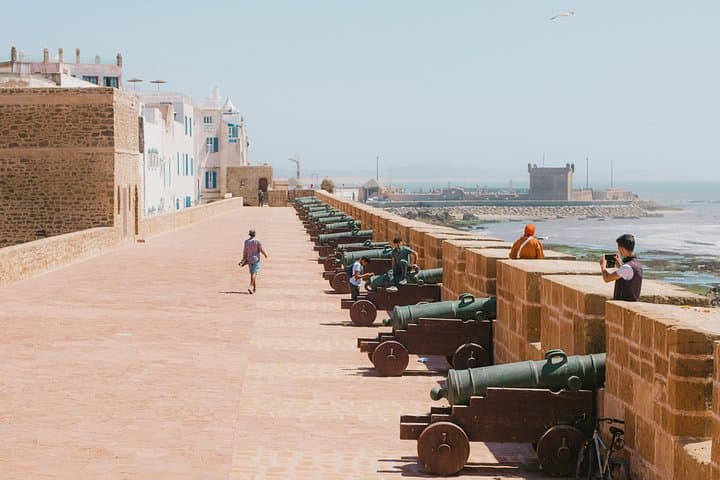
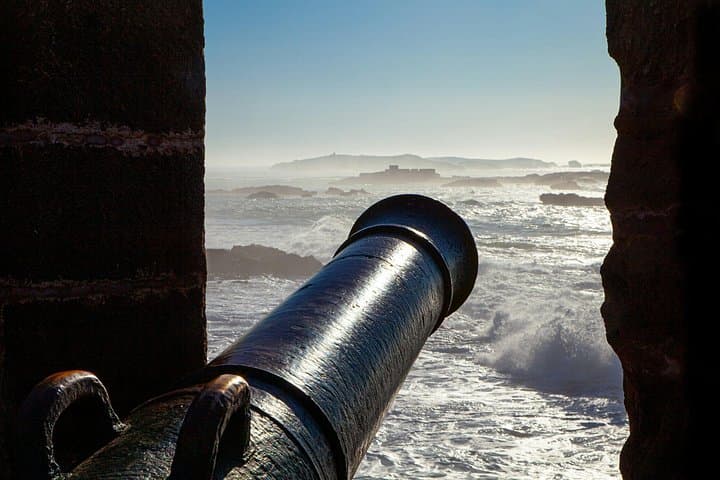
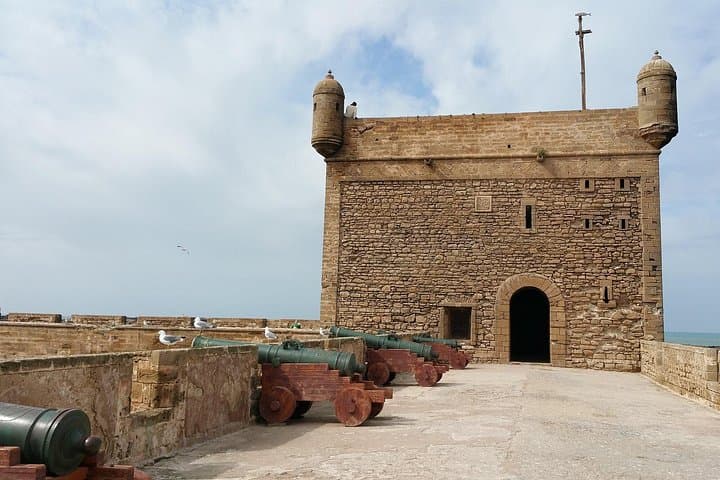
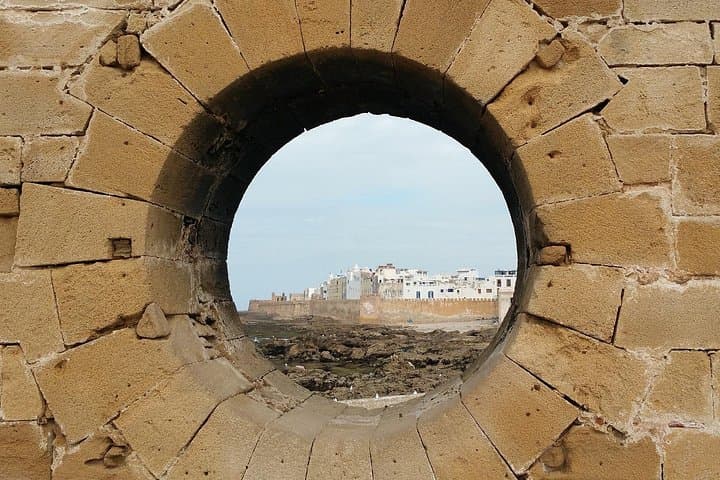
Essaouira’s medina is UNESCO-listed for good reason: a compact grid of alleys framed by 18th-century Portuguese ramparts, cannons at the Skala de la Ville, and a harbor where fishermen haul nets onto sun-worn planks. Geologically, this stretch of Morocco is Atlantic coast plain meeting ancient sandstone cliffs; the coastline’s exposure makes the city reliably windy—perfect for kitesurfers and for drying fish on the quay.
Culturally, Essaouira balances Berber and Moroccan traditions with a long history of trade—Portuguese, Ottoman and French influences show in the stonework and the medina layout. Expect Gnawa music spilling from cafés and artisans shaping thuya wood and silver in small workshops.
Practically: the trip is a long day (roughly 2.5–3 hours each way, 10–12 hours total). Wear sturdy shoes for cobbles, layers for wind and sun, and carry small change in dirhams for market purchases. Plan your seafood lunch at the harbor and allow time for the Skala’s viewpoints and the small museums. If you want to kite or surf, book locally; otherwise enjoy strolling the beach and browsing souks. With door-to-door pickup, the day trip is low-effort but highly sensory—fresh Atlantic air, the clack of wooden shutters, and a slower tempo than Marrakech.
easy.
10–12 hours.
Light walking ability; should be able to manage uneven cobblestones and short stair sections.
Expect about 2.5–3 hours each way depending on traffic and stops; total trip time is typically 10–12 hours.
Yes—the itinerary includes open time to wander the medina, visit the Skala, explore the harbor, and eat independently.
No—meals are not included; plan to pay for lunch and drinks at local cafés or harbor restaurants in dirhams.
Yes—the tour is classified as easy with private transportation and can accommodate most fitness levels; inform the operator of special needs in advance.
Essaouira’s fortified medina dates to 18th-century Portuguese and Alaouite-era planning and later became an important trade port linking sub-Saharan Africa and Europe.
The argan forests and coastal habitats are protected in parts; support local cooperatives that sustainably harvest argan oil and minimize plastic waste on beaches.
Morocco Kingdom Travel operates guided outdoor trips and adventures with an emphasis on safety, stewardship, and memorable experiences.
You arrive with the Atlantic wind on your face—cool, salt-steeped air that seems to dare you to slow down. The road from Marrakech opens across argan-studded hills, and by midmorning the white-washed walls and blue shutters of Essaouira appear against a horizon of silver sea.
You arrive with the Atlantic wind on your face—cool, salt-steeped air that seems to dare you to slow down. The road from Marrakech opens across argan-studded hills, and by midmorning the white-washed walls and blue shutters of Essaouira appear against a horizon of silver sea.
Essaouira’s medina is UNESCO-listed for good reason: a compact grid of alleys framed by 18th-century Portuguese ramparts, cannons at the Skala de la Ville, and a harbor where fishermen haul nets onto sun-worn planks. Geologically, this stretch of Morocco is Atlantic coast plain meeting ancient sandstone cliffs; the coastline’s exposure makes the city reliably windy—perfect for kitesurfers and for drying fish on the quay.
Culturally, Essaouira balances Berber and Moroccan traditions with a long history of trade—Portuguese, Ottoman and French influences show in the stonework and the medina layout. Expect Gnawa music spilling from cafés and artisans shaping thuya wood and silver in small workshops.
Practically: the trip is a long day (roughly 2.5–3 hours each way, 10–12 hours total). Wear sturdy shoes for cobbles, layers for wind and sun, and carry small change in dirhams for market purchases. Plan your seafood lunch at the harbor and allow time for the Skala’s viewpoints and the small museums. If you want to kite or surf, book locally; otherwise enjoy strolling the beach and browsing souks. With door-to-door pickup, the day trip is low-effort but highly sensory—fresh Atlantic air, the clack of wooden shutters, and a slower tempo than Marrakech.