THE ADVENTURE COLLECTIVE® · Independent discovery and booking for outdoor travel

Escape Marrakech for a full day on Morocco’s Atlantic coast: explore Essaouira’s UNESCO medina, walk the Skala ramparts, and eat fresh seafood in the working harbor. This practical day‑trip guide explains what to expect and how to plan.
Escape Marrakech for a full day on Morocco’s Atlantic coast: explore Essaouira’s UNESCO medina, walk the Skala ramparts, and eat fresh seafood in the working harbor. This practical day‑trip guide explains what to expect and how to plan.
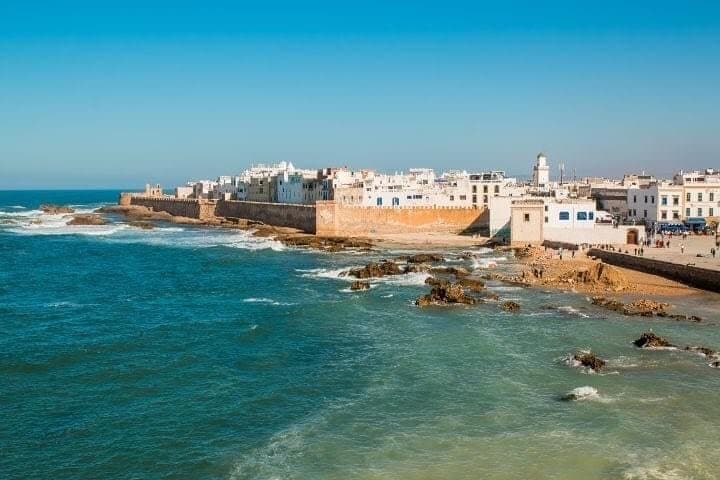
The morning road unwinds from Marrakech across ochre plains and olive groves, and by late morning the Atlantic wind pulls you toward Essaouira's low stone ramparts. Bright flags snap over the Skala de la Ville while fishing boats ride the harbor like patient toys; the city smells of salt, grilled fish and resinous argan oil.
Verified experiences and guided adventures in the surrounding area.
Operated by Tours Around Morocco · Essaouira, Marrakech-Safi
The morning road unwinds from Marrakech across ochre plains and olive groves, and by late morning the Atlantic wind pulls you toward Essaouira's low stone ramparts. Bright flags snap over the Skala de la Ville while fishing boats ride the harbor like patient toys; the city smells of salt, grilled fish and resinous argan oil.
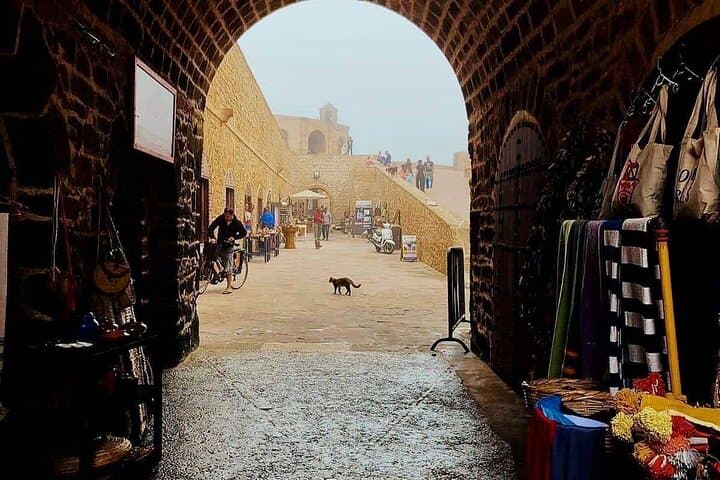
Essaouira (historically Mogador) is a working port where Portuguese, Berber and French influences left their marks in the fortifications and grid-like medina now listed as a UNESCO World Heritage Site. The town sits on a rocky promontory of pale sandstone and coastal dunes carved by relentless westerlies—conditions that made it both a strategic port and today's windsurfing venue. Inside the medina, narrow lanes open onto craft workshops, galleries showing Gnawa-inspired art, and souks selling hand-carved thuya wood and argan products.
Plan to stroll the ramparts at the Skala for panoramic ocean views, sample straight-from-the-net seafood at the harbor stalls, and walk the beach where the wind dares kiteboarders into the surf. Expect cobbled streets and steps—comfortable shoes matter.
Practical guidance: leave Marrakech early to maximize time on-site and bring cash for smaller stalls. Peak wind months (spring–summer) mean layers and sunscreen; winter can be cool and breezy. Most day-trip departures return in the evening, so hydrate and pack a small daypack for purchases and camera gear. Essaouira rewards slow exploration—pause on a rampart, listen to the harbor, then move on to a small gallery or rooftop tea with a view.
easy.
10–11 hours.
Suitable for most fitness levels; requires standing and walking on uneven surfaces for several hours.
The transfer is about 2.5–3 hours each way depending on stops and traffic—plan on a full day (10–11 hours) for the round trip.
Yes—paths are mostly flat but cobbled; the pace is flexible and the tour is rated easy, though mobility issues may make some alleys and steps challenging.
Most day trips include lunch as an option; seafood at the harbor is fresh and local—ask vendors about preparation if you have dietary restrictions.
Yes—Essaouira is known for thuya woodwork, argan products and local art; carry cash, haggle respectfully, and check product authenticity when buying argan oil.
Essaouira’s fortified medina grew from the 18th-century reconstruction under Sultan Mohammed ben Abdallah and earlier Portuguese fortifications; its planned streets contrast with many older Moroccan medinas.
The town balances tourism and fishing; visitors should avoid buying products made from endangered species and support certified argan cooperatives to help local communities.
Tours Around Morocco operates guided outdoor trips and adventures with an emphasis on safety, stewardship, and memorable experiences.
The morning road unwinds from Marrakech across ochre plains and olive groves, and by late morning the Atlantic wind pulls you toward Essaouira's low stone ramparts. Bright flags snap over the Skala de la Ville while fishing boats ride the harbor like patient toys; the city smells of salt, grilled fish and resinous argan oil.
The morning road unwinds from Marrakech across ochre plains and olive groves, and by late morning the Atlantic wind pulls you toward Essaouira's low stone ramparts. Bright flags snap over the Skala de la Ville while fishing boats ride the harbor like patient toys; the city smells of salt, grilled fish and resinous argan oil.
Essaouira (historically Mogador) is a working port where Portuguese, Berber and French influences left their marks in the fortifications and grid-like medina now listed as a UNESCO World Heritage Site. The town sits on a rocky promontory of pale sandstone and coastal dunes carved by relentless westerlies—conditions that made it both a strategic port and today's windsurfing venue. Inside the medina, narrow lanes open onto craft workshops, galleries showing Gnawa-inspired art, and souks selling hand-carved thuya wood and argan products.
Plan to stroll the ramparts at the Skala for panoramic ocean views, sample straight-from-the-net seafood at the harbor stalls, and walk the beach where the wind dares kiteboarders into the surf. Expect cobbled streets and steps—comfortable shoes matter.
Practical guidance: leave Marrakech early to maximize time on-site and bring cash for smaller stalls. Peak wind months (spring–summer) mean layers and sunscreen; winter can be cool and breezy. Most day-trip departures return in the evening, so hydrate and pack a small daypack for purchases and camera gear. Essaouira rewards slow exploration—pause on a rampart, listen to the harbor, then move on to a small gallery or rooftop tea with a view.