THE ADVENTURE COLLECTIVE® · Independent discovery and booking for outdoor travel

Spend a long day out of Marrakech and discover Essaouira’s fortified medina, windswept beaches and argan‑tree groves. This practical guide covers what to expect, what to pack, and how to make the most of five hours in Ex‑Mogador.
Spend a long day out of Marrakech and discover Essaouira’s fortified medina, windswept beaches and argan‑tree groves. This practical guide covers what to expect, what to pack, and how to make the most of five hours in Ex‑Mogador.
You arrive before the medina wakes fully, salt and wind already working on your hair. Fishing boats tilt on low tide, gulls argue over a morning catch, and the ramparts of Ex‑Mogador cut a clean silhouette against a broad Atlantic sky. Essaouira’s streets open like a practical puzzle: low, whitewashed houses painted in blues, narrow alleys that lead to sunlit squares, and the constant presence of sea air pushing inland.
Verified experiences and guided adventures in the surrounding area.
Operated by Awesome Morocco Tours · Essaouira, Marrakesh-Safi
You arrive before the medina wakes fully, salt and wind already working on your hair. Fishing boats tilt on low tide, gulls argue over a morning catch, and the ramparts of Ex‑Mogador cut a clean silhouette against a broad Atlantic sky. Essaouira’s streets open like a practical puzzle: low, whitewashed houses painted in blues, narrow alleys that lead to sunlit squares, and the constant presence of sea air pushing inland.
The city was fortified in the late 18th century using European military design, rebuilt on an island of earlier Berber and Portuguese settlements. Its ramparts and gates reflect those cross‑currents of history; the medina is UNESCO‑listed and still functions as a working market. Geologically, the coastline here is a wide shelf of sands and cobbles with offshore reefs that shape steady surf—conditions that made Essaouira a kitesurf and fishing hub.
Culturally, the region is defined by argan groves and women’s cooperatives that press oil from the nut — you may see goats clambering in the trees on the drive out. The city’s food scene centers on fresh Atlantic seafood sold from stalls and cooked to order.
Practical guidance: expect a long day (about 10–11 hours) with roughly five hours on site for independent exploration. Wear sturdy walking shoes for cobbles, sun protection for exposed ramparts and beaches, and carry cash for market purchases and small cooperatives. If you want lessons or rentals for kitesurfing or surfing, book locally or arrive early to secure equipment. The day trip is low‑technical but high on sensory detail—bring patience, a reusable bottle, and an appetite for salty air and slow city rhythms.
easy.
10–11 hours.
Suitable for most fitness levels; participants should be comfortable walking on uneven cobbles for several hours with frequent stops.
Pickups are typically in Marrakech hotels starting around 08:00 with departure after a short coordination period; return is around 16:00–17:00.
Yes — the itinerary allows roughly five hours in town, enough time for a seafood lunch or pastries on a terrace.
Yes — Essaouira has rental shops and schools on the beach; arrive early in high season to secure lessons or gear.
The operator lists wheelchair and stroller accessibility for transportation, but medina alleys and some historical sites have cobbles and steps—access may be limited once in town.
Essaouira was redesigned as a fortified port in the late 18th century with European military engineering and later became a cultural crossroads and UNESCO World Heritage site.
Support local argan cooperatives and avoid buying products made from protected species; coastal zones face erosion pressure, so stick to marked paths and avoid disturbing dunes.
Awesome Morocco Tours operates guided outdoor trips and adventures with an emphasis on safety, stewardship, and memorable experiences.
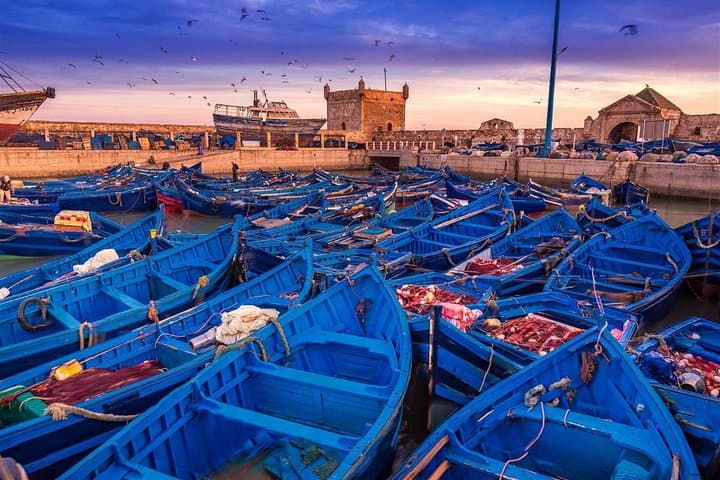
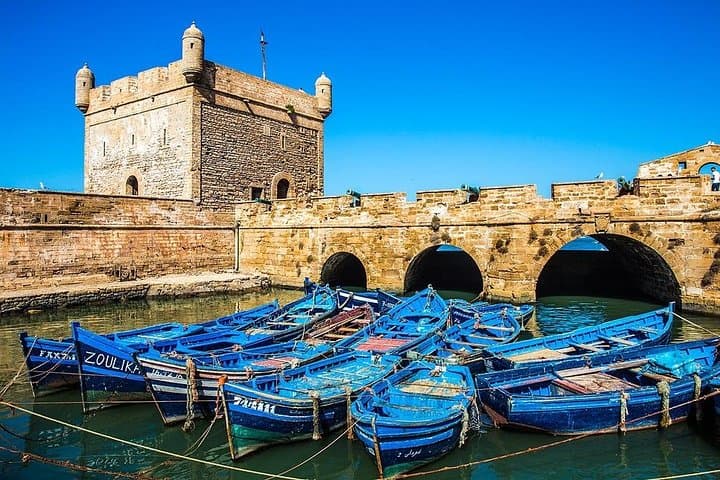
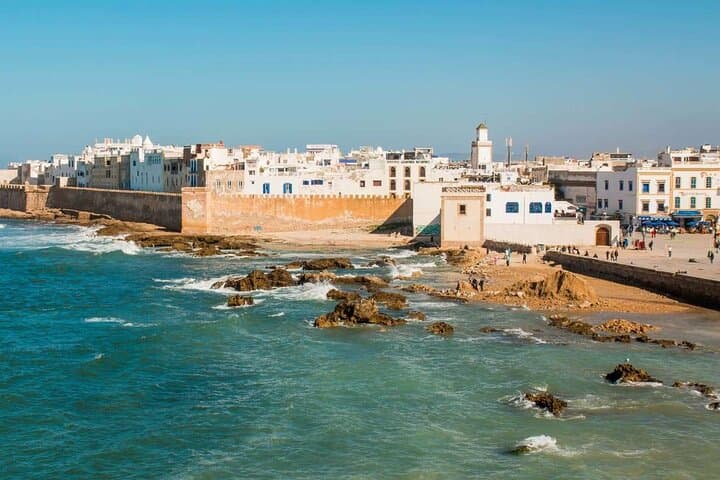
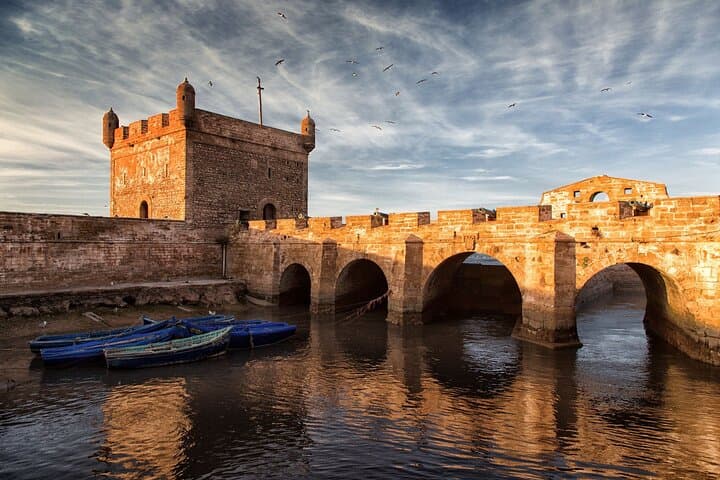
You arrive before the medina wakes fully, salt and wind already working on your hair. Fishing boats tilt on low tide, gulls argue over a morning catch, and the ramparts of Ex‑Mogador cut a clean silhouette against a broad Atlantic sky. Essaouira’s streets open like a practical puzzle: low, whitewashed houses painted in blues, narrow alleys that lead to sunlit squares, and the constant presence of sea air pushing inland.
You arrive before the medina wakes fully, salt and wind already working on your hair. Fishing boats tilt on low tide, gulls argue over a morning catch, and the ramparts of Ex‑Mogador cut a clean silhouette against a broad Atlantic sky. Essaouira’s streets open like a practical puzzle: low, whitewashed houses painted in blues, narrow alleys that lead to sunlit squares, and the constant presence of sea air pushing inland.
The city was fortified in the late 18th century using European military design, rebuilt on an island of earlier Berber and Portuguese settlements. Its ramparts and gates reflect those cross‑currents of history; the medina is UNESCO‑listed and still functions as a working market. Geologically, the coastline here is a wide shelf of sands and cobbles with offshore reefs that shape steady surf—conditions that made Essaouira a kitesurf and fishing hub.
Culturally, the region is defined by argan groves and women’s cooperatives that press oil from the nut — you may see goats clambering in the trees on the drive out. The city’s food scene centers on fresh Atlantic seafood sold from stalls and cooked to order.
Practical guidance: expect a long day (about 10–11 hours) with roughly five hours on site for independent exploration. Wear sturdy walking shoes for cobbles, sun protection for exposed ramparts and beaches, and carry cash for market purchases and small cooperatives. If you want lessons or rentals for kitesurfing or surfing, book locally or arrive early to secure equipment. The day trip is low‑technical but high on sensory detail—bring patience, a reusable bottle, and an appetite for salty air and slow city rhythms.