THE ADVENTURE COLLECTIVE® · Independent discovery and booking for outdoor travel

Drive from Marrakech to Essaouira for a day of wind-forged coastlines, working ports, and argan oil cooperatives. This compact seaside town offers easy walking, seafood markets, and cinematic ramparts—ideal for a relaxed cultural day trip.
Drive from Marrakech to Essaouira for a day of wind-forged coastlines, working ports, and argan oil cooperatives. This compact seaside town offers easy walking, seafood markets, and cinematic ramparts—ideal for a relaxed cultural day trip.
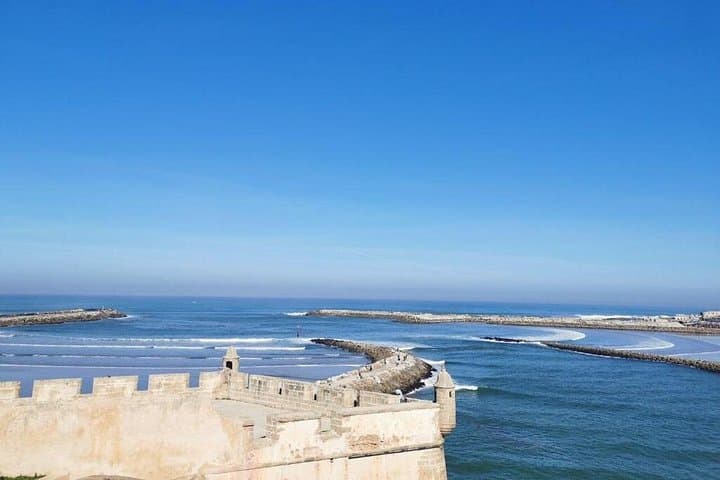
The road opens like a long breath as the Atlas foothills give way to argan-studded scrub and then the Atlantic horizon. By late morning the town of Essaouira arrives in low, white blocks, its sea-salted air pushing you toward the port where bronze cannons stare out over surf and fishing boats creak in rhythm.
Verified experiences and guided adventures in the surrounding area.
Operated by Alidaytrips · Essaouira, Marrakech-Safi
The road opens like a long breath as the Atlas foothills give way to argan-studded scrub and then the Atlantic horizon. By late morning the town of Essaouira arrives in low, white blocks, its sea-salted air pushing you toward the port where bronze cannons stare out over surf and fishing boats creak in rhythm.
Essaouira’s medina is a compact grid of straight streets—an 18th-century French plan cut through earlier Berber and Portuguese layers. The city sits on a rocky promontory of Miocene limestone and coastal sediments; winds that travel unhindered across the ocean shape both the dunes and the kitesurf scene. The port and ramparts recall a defensive past tied to naval trade and cedar-carving workshops, while nearby cooperatives keep traditional argan oil production alive, offering a tactile lesson in local women's craft.
Expect a day of strolling rather than strenuous hiking: cobbled alleys, low fort walls, and calm beach sections. Photographers will find Game of Thrones filming angles; food lovers will be drawn to simple charcoal-grilled fish in the port. Practicalities: wear sturdy shoes for cobbles and salt-spray wind layers; bring cash for small purchases and time your return to avoid late-evening traffic back to Marrakech.
Guides typically provide air-conditioned transport and a flexible schedule for a lunch break and a 3–4 hour exploration window in Essaouira. This is a coastal cultural day—quiet beaches, working harbors, living craft traditions—best experienced with an open pace and a windproof jacket.
easy.
8 hours.
Suitable for travelers in average fitness; mainly walking on flat to slightly uneven streets for several hours
The transfer typically takes about 2.5 to 3 hours each way depending on traffic and stops along the route.
Lunch is usually at your own expense; the driver or guide can recommend seafood restaurants near the port.
Many areas are accessible and transportation is wheelchair-friendly, but cobbled streets and ramps may limit access to some spots—check specifics before booking.
Moroccan dirham (MAD) is preferred for markets, tips, and small purchases; major restaurants may accept cards.
Essaouira was redesigned in the 18th century with straight avenues influenced by European military planning; it long served as a fortified port linking inland Morocco to Atlantic trade.
Argan forests are protected in parts of the region; support local cooperatives and avoid single-use plastics to reduce pressure on coastal and forest ecosystems.
Alidaytrips operates guided outdoor trips and adventures with an emphasis on safety, stewardship, and memorable experiences.
The road opens like a long breath as the Atlas foothills give way to argan-studded scrub and then the Atlantic horizon. By late morning the town of Essaouira arrives in low, white blocks, its sea-salted air pushing you toward the port where bronze cannons stare out over surf and fishing boats creak in rhythm.
The road opens like a long breath as the Atlas foothills give way to argan-studded scrub and then the Atlantic horizon. By late morning the town of Essaouira arrives in low, white blocks, its sea-salted air pushing you toward the port where bronze cannons stare out over surf and fishing boats creak in rhythm.
Essaouira’s medina is a compact grid of straight streets—an 18th-century French plan cut through earlier Berber and Portuguese layers. The city sits on a rocky promontory of Miocene limestone and coastal sediments; winds that travel unhindered across the ocean shape both the dunes and the kitesurf scene. The port and ramparts recall a defensive past tied to naval trade and cedar-carving workshops, while nearby cooperatives keep traditional argan oil production alive, offering a tactile lesson in local women's craft.
Expect a day of strolling rather than strenuous hiking: cobbled alleys, low fort walls, and calm beach sections. Photographers will find Game of Thrones filming angles; food lovers will be drawn to simple charcoal-grilled fish in the port. Practicalities: wear sturdy shoes for cobbles and salt-spray wind layers; bring cash for small purchases and time your return to avoid late-evening traffic back to Marrakech.
Guides typically provide air-conditioned transport and a flexible schedule for a lunch break and a 3–4 hour exploration window in Essaouira. This is a coastal cultural day—quiet beaches, working harbors, living craft traditions—best experienced with an open pace and a windproof jacket.