THE ADVENTURE COLLECTIVE® · Independent discovery and booking for outdoor travel

A full-day coastal escape from Marrakech to Essaouira that pairs wind-swept harbor views, argan cooperatives and a lively fishermen’s quarter. Expect a 9‑hour shared transfer with several photo stops and time to explore independently.
A full-day coastal escape from Marrakech to Essaouira that pairs wind-swept harbor views, argan cooperatives and a lively fishermen’s quarter. Expect a 9‑hour shared transfer with several photo stops and time to explore independently.
The wind meets you before the town does: cold Atlantic gusts braid your hair as blue fishing boats cluster like punctuation at the harbor. Walk past stone ramparts and bright wooden doors and the city opens—wide beach, seagulls, and the busy rhythm of a working port.
Verified experiences and guided adventures in the surrounding area.
Operated by Uncommon Morocco · Essaouira, Marrakech-Safi
The wind meets you before the town does: cold Atlantic gusts braid your hair as blue fishing boats cluster like punctuation at the harbor. Walk past stone ramparts and bright wooden doors and the city opens—wide beach, seagulls, and the busy rhythm of a working port.
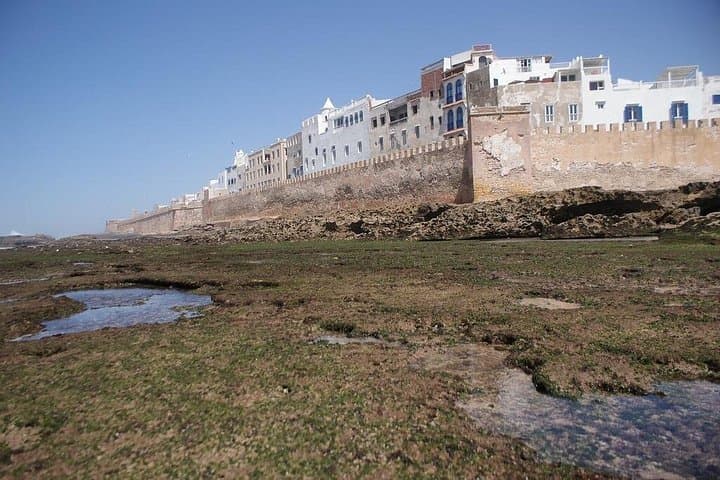
Essaouira’s shoreline has been a harbor since prehistoric times and rose to Atlantic prominence under Phoenician, Roman, and later Portuguese influence; the 18th-century fortifications you’ll see were built to control trade and resist storms. Geologically, the town sits on exposed coastal terraces where Atlantic currents shape wide sandy beaches and the wind scours low cliffs. Culturally, the town mixes Berber argan cooperatives, a lively fish market, and craftsmen carving thuya wood.
On this shared full-day transfer from Marrakech (about 3 hours each way), expect a driver who handles transport and local logistics but not guided interpretation. Stops typically include argan cooperatives where artisans show oil-production, a roadside viewpoint to photograph goats in argan trees, the fishermen’s harbor, and a long beach walk—water averages around 18°C.
Practical guidance: plan for a 9‑hour day in an air‑conditioned minivan, bring cash for markets and a modest lunch (roughly €8–10), and set meeting points with the driver before you disperse. Footwear should handle cobbles and sand; a windproof layer is essential. Time your visit for mornings or late afternoons to avoid the strongest winds and busiest coach arrivals. Essaouira rewards slow exploration—let the wind push you from one sunlit lane to the next.
easy.
9 hours (approx.).
Suitable for most fitness levels; minimal walking required but expect cobbled streets and sandy beach stretches.
No; lunch is not included. Local restaurants near the port typically charge about €8–10 for a seafood meal.
Expect around 2.5–3 hours each way depending on traffic; total trip time is approximately nine hours including stops.
The driver can answer basic questions in French or English but is not a professional guide; you'll explore most sites independently.
Yes; the operator notes the trip is physically easy. Infants must sit on laps, and infant seats are available on request.
Historically known as Mogador, Essaouira was a key Atlantic trading port with fortified ramparts built by Europeans and Awlad Ali rulers to control maritime commerce.
Argan woodlands are a vulnerable ecosystem; support local cooperatives that practice sustainable harvesting and buy certified argan products.
Uncommon Morocco operates guided outdoor trips and adventures with an emphasis on safety, stewardship, and memorable experiences.
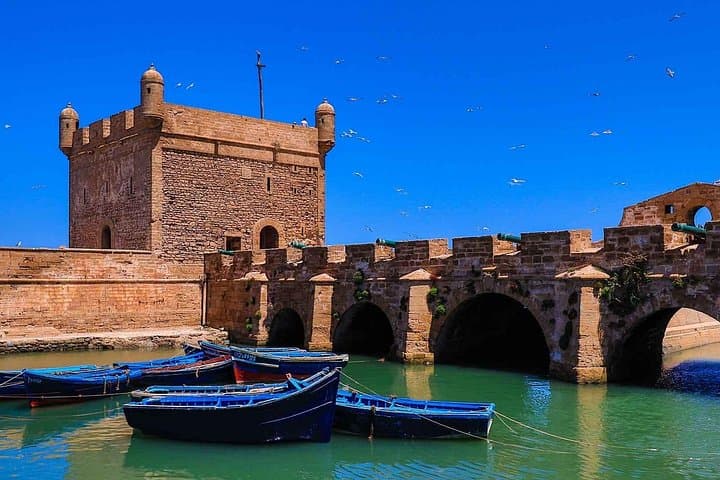
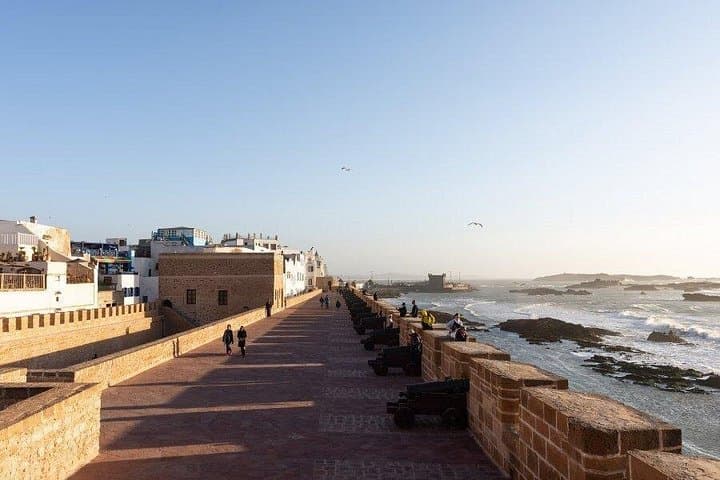
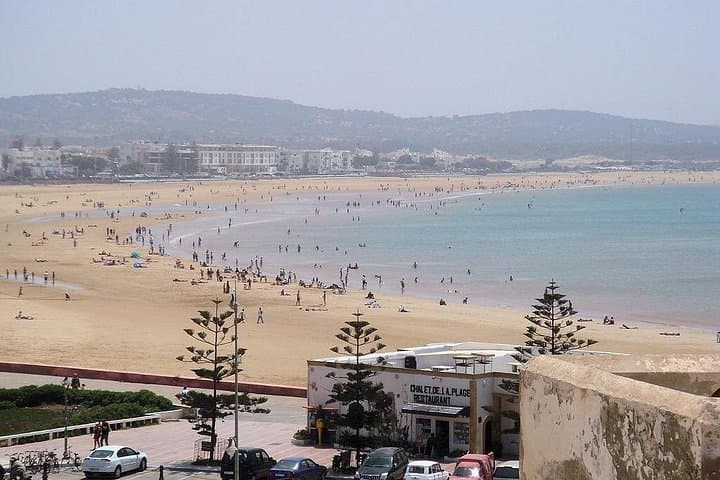
The wind meets you before the town does: cold Atlantic gusts braid your hair as blue fishing boats cluster like punctuation at the harbor. Walk past stone ramparts and bright wooden doors and the city opens—wide beach, seagulls, and the busy rhythm of a working port.
The wind meets you before the town does: cold Atlantic gusts braid your hair as blue fishing boats cluster like punctuation at the harbor. Walk past stone ramparts and bright wooden doors and the city opens—wide beach, seagulls, and the busy rhythm of a working port.
Essaouira’s shoreline has been a harbor since prehistoric times and rose to Atlantic prominence under Phoenician, Roman, and later Portuguese influence; the 18th-century fortifications you’ll see were built to control trade and resist storms. Geologically, the town sits on exposed coastal terraces where Atlantic currents shape wide sandy beaches and the wind scours low cliffs. Culturally, the town mixes Berber argan cooperatives, a lively fish market, and craftsmen carving thuya wood.
On this shared full-day transfer from Marrakech (about 3 hours each way), expect a driver who handles transport and local logistics but not guided interpretation. Stops typically include argan cooperatives where artisans show oil-production, a roadside viewpoint to photograph goats in argan trees, the fishermen’s harbor, and a long beach walk—water averages around 18°C.
Practical guidance: plan for a 9‑hour day in an air‑conditioned minivan, bring cash for markets and a modest lunch (roughly €8–10), and set meeting points with the driver before you disperse. Footwear should handle cobbles and sand; a windproof layer is essential. Time your visit for mornings or late afternoons to avoid the strongest winds and busiest coach arrivals. Essaouira rewards slow exploration—let the wind push you from one sunlit lane to the next.