THE ADVENTURE COLLECTIVE® · Independent discovery and booking for outdoor travel

Escape Marrakech for the wind-swept charm of Essaouira: a UNESCO medina, seaside ramparts and argan trees with goats. This day trip combines coastal scenery, local craft visits and fresh seafood at the port.
Escape Marrakech for the wind-swept charm of Essaouira: a UNESCO medina, seaside ramparts and argan trees with goats. This day trip combines coastal scenery, local craft visits and fresh seafood at the port.
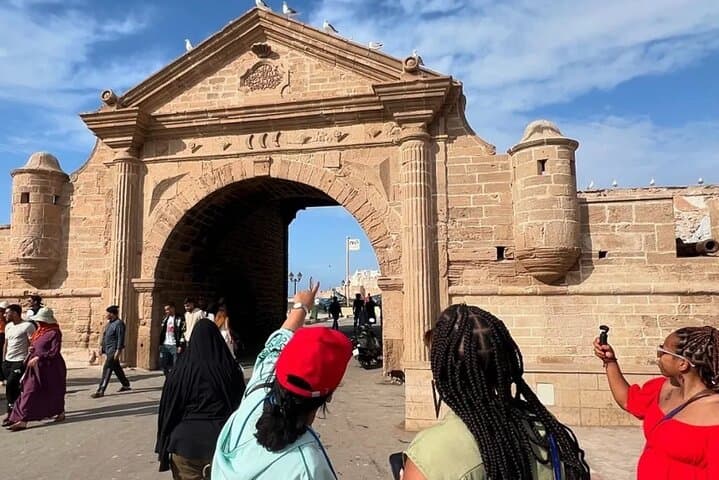
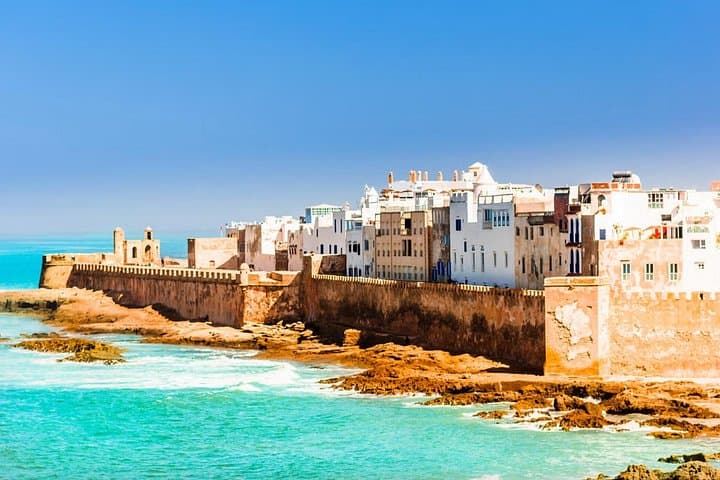
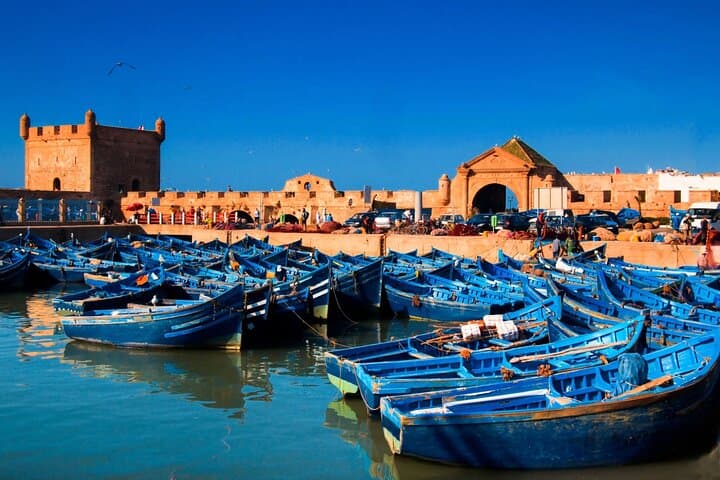
The wind hits first—salty and steady—pushing across the ramparts as you step out toward the Atlantic. Fishermen mend nets on the busy port, gulls wheel overhead, and the narrow medina alleys open into plazas where spice stalls, carved cedar doors and the steady clack of market bargaining set the rhythm. On the drive from Marrakech, argan trees pepper the scrubland and, if you’re lucky, goats perch in their branches like unlikely sentinels.
Verified experiences and guided adventures in the surrounding area.
Operated by Atlas Trips Tours · Essaouira, Marrakesh-Safi
The wind hits first—salty and steady—pushing across the ramparts as you step out toward the Atlantic. Fishermen mend nets on the busy port, gulls wheel overhead, and the narrow medina alleys open into plazas where spice stalls, carved cedar doors and the steady clack of market bargaining set the rhythm. On the drive from Marrakech, argan trees pepper the scrubland and, if you’re lucky, goats perch in their branches like unlikely sentinels.
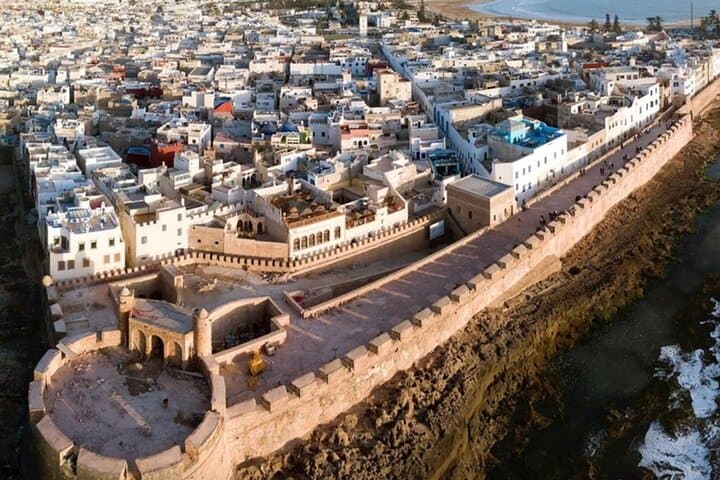
Essaouira (historically Mogador) is a compact coastal town whose 17th–18th century ramparts face the Atlantic; the stone fortifications and cannons reflect a trading past under Portuguese and later Moroccan influence. The town’s UNESCO-listed medina preserves cedar balconies, blue-painted shutters and a living craft scene—particularly the argan cooperatives run by Berber women. Geologically, Essaouira sits on a gently eroding Atlantic shelf: broad beaches, wind-sculpted dunes and pebble-strewn coves make for dramatic light and strong coastal currents that surfers and birds exploit alike.
Practical guidance: expect a roughly 2.5–3 hour drive from Marrakech each way, and plan at least a half-day on-site for the medina, Skala Kasbah and the port. Wear comfortable walking shoes for cobbles and stairs, bring layered windproof clothing, sun protection and small change for rampart fees (some sections charge around 60 MAD). Try fresh port-side seafood at midday, respect local customs in the medina, and allow time to visit an argan cooperative to learn about traditional production. Essaouira’s wind gives energy to the place—respect it, and it will reward you with clear light, fresh air and easy coastal exploration.
easy.
3.5 hours (tour listed duration).
Suitable for most fitness levels; involves moderate walking on uneven cobbles and stairs
Expect about 2.5–3 hours each way by car, depending on traffic and stops along the route.
Yes—this is a low-impact day trip with moderate walking; choose shorter routes in the medina if mobility is limited.
Some rampart sections charge a small entrance fee (around 60 MAD near the port); check with your tour operator for specifics.
Goats in argan trees are commonly seen near argan groves and on the roadside between Marrakech and Essaouira, though sightings are not guaranteed.
Essaouira—known historically as Mogador—grew as a fortified Atlantic trading port in the 17th–18th centuries, with European and North African influences shaping its architecture.
Argan ecosystems are protected in parts of southwest Morocco and local cooperatives support sustainable harvesting; visitors should avoid disturbing wild argan trees and minimize plastic waste at beaches and markets.
Atlas Trips Tours operates guided outdoor trips and adventures with an emphasis on safety, stewardship, and memorable experiences.
The wind hits first—salty and steady—pushing across the ramparts as you step out toward the Atlantic. Fishermen mend nets on the busy port, gulls wheel overhead, and the narrow medina alleys open into plazas where spice stalls, carved cedar doors and the steady clack of market bargaining set the rhythm. On the drive from Marrakech, argan trees pepper the scrubland and, if you’re lucky, goats perch in their branches like unlikely sentinels.
The wind hits first—salty and steady—pushing across the ramparts as you step out toward the Atlantic. Fishermen mend nets on the busy port, gulls wheel overhead, and the narrow medina alleys open into plazas where spice stalls, carved cedar doors and the steady clack of market bargaining set the rhythm. On the drive from Marrakech, argan trees pepper the scrubland and, if you’re lucky, goats perch in their branches like unlikely sentinels.
Essaouira (historically Mogador) is a compact coastal town whose 17th–18th century ramparts face the Atlantic; the stone fortifications and cannons reflect a trading past under Portuguese and later Moroccan influence. The town’s UNESCO-listed medina preserves cedar balconies, blue-painted shutters and a living craft scene—particularly the argan cooperatives run by Berber women. Geologically, Essaouira sits on a gently eroding Atlantic shelf: broad beaches, wind-sculpted dunes and pebble-strewn coves make for dramatic light and strong coastal currents that surfers and birds exploit alike.
Practical guidance: expect a roughly 2.5–3 hour drive from Marrakech each way, and plan at least a half-day on-site for the medina, Skala Kasbah and the port. Wear comfortable walking shoes for cobbles and stairs, bring layered windproof clothing, sun protection and small change for rampart fees (some sections charge around 60 MAD). Try fresh port-side seafood at midday, respect local customs in the medina, and allow time to visit an argan cooperative to learn about traditional production. Essaouira’s wind gives energy to the place—respect it, and it will reward you with clear light, fresh air and easy coastal exploration.