THE ADVENTURE COLLECTIVE® · Independent discovery and booking for outdoor travel

Swap Marrakech’s red‑stone heat for Atlantic wind and seafront ramparts on a day trip to Essaouira. Explore the fortified Skala, wander the medina and taste fresh grilled fish at the busy port.
Swap Marrakech’s red‑stone heat for Atlantic wind and seafront ramparts on a day trip to Essaouira. Explore the fortified Skala, wander the medina and taste fresh grilled fish at the busy port.
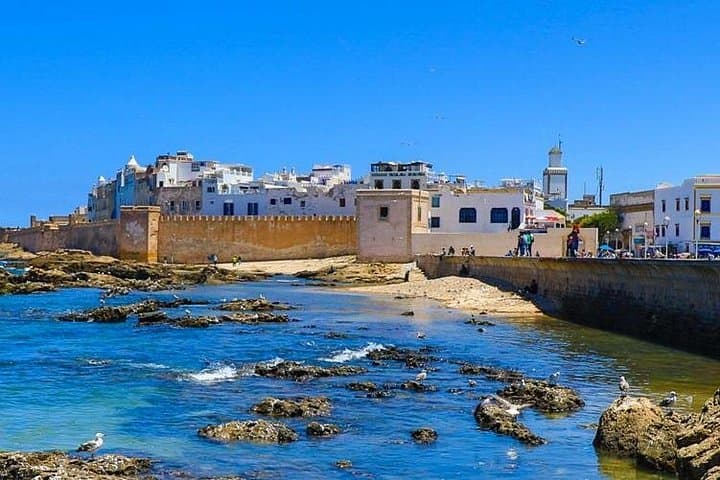
The highway from Marrakech opens to Atlantic air; by mid‑morning Essaouira appears low on the horizon with wind-scoured ramparts and a harbor full of bobbing boats. Seabirds wheel above the Skala while the ocean pushes cool salt into the streets, daring visitors to trade city bustle for a slower coastal rhythm.
Verified experiences and guided adventures in the surrounding area.
Operated by Morocco City Breaks · Essaouira, Marrakech-Safi
The highway from Marrakech opens to Atlantic air; by mid‑morning Essaouira appears low on the horizon with wind-scoured ramparts and a harbor full of bobbing boats. Seabirds wheel above the Skala while the ocean pushes cool salt into the streets, daring visitors to trade city bustle for a slower coastal rhythm.
Essaouira — once called Mogador — bears layers of history: Portuguese fortifications from the 16th century, Francophone influences, and a long tradition as a caravan port for subsistence goods and crafts. Geologically the coast is sandstone and sand, shaped by persistent winds that carved dunes and preserved the town’s broad beaches. Culturally the medina hums with woodcarvers, argan merchants and galleries showing Gnawa music’s visual echoes; the old Jewish Quarter offers narrow lanes and synagogues that speak to the town’s plural past.
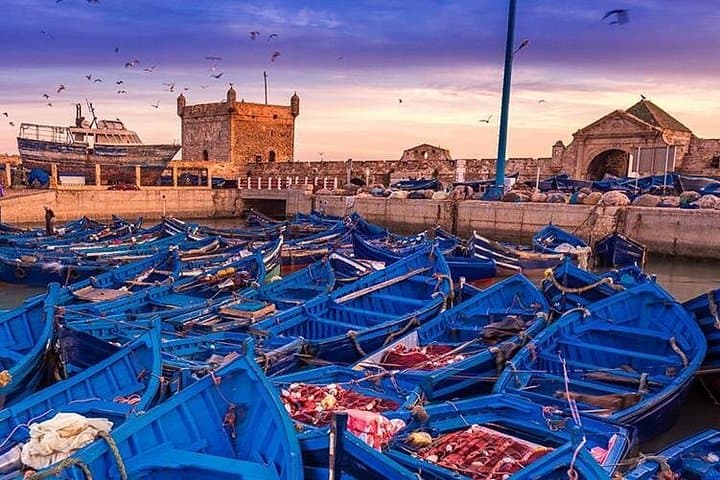
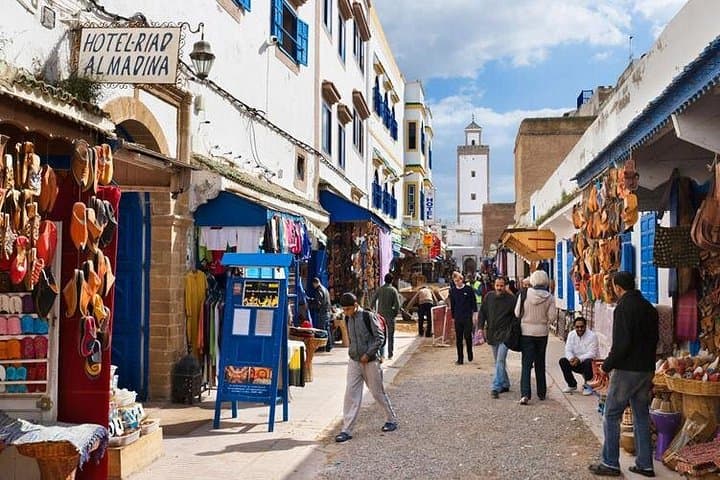
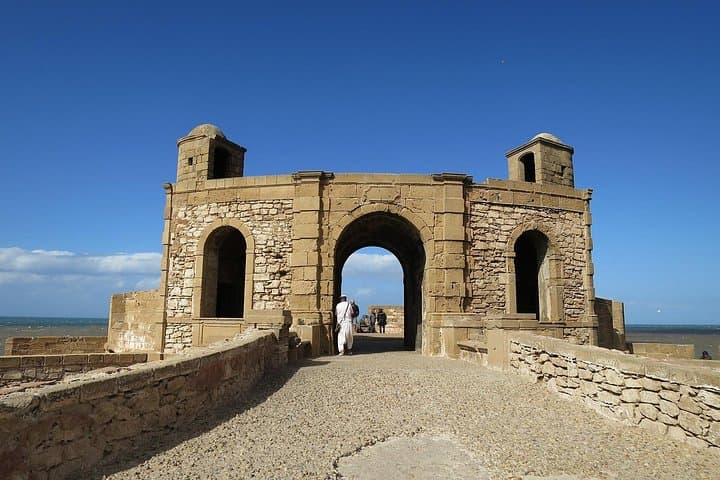
On the ground the itinerary is practical: explore the Skala and its cannons, walk the medina’s souks, visit the port to see fishermen bring in the catch, and sample grilled fish at small restaurants. Expect cobbled streets, low stairs and strong winds that make a windbreaker useful even in summer. The tour is a long day (about 10–11 hours door-to-door), but physically easy — most activity is walking and photo stops.
Plan for sun, cash for markets, and comfortable shoes. Time your visit for morning or late afternoon light on the ramparts and allow extra time at the port if you want a quieter stretch of beach or an off‑beat art gallery. Respect local customs and the working harbor — it keeps Essaouira alive.
easy.
10–11 hours.
Suitable for most fitness levels; involves several hours of walking on uneven cobbles and short stairs.
The drive takes about 2.5–3 hours each way depending on traffic and stops; expect a 10–11 hour total day for this excursion.
Yes — the tour is rated easy physically, but families should note the long travel time and some uneven walking surfaces in the medina.
Yes — the port has daily landings and small restaurants grill fish on site; bring cash and choose busy vendors for the freshest options.
Yes — the itinerary includes breaks and a longer stop in Essaouira for food; restrooms are available in cafes and public areas in town.
Formerly called Mogador, Essaouira was fortified by the Portuguese and later became a diverse trading port with notable Jewish and Berber cultural influences.
The coastline faces erosion and pressure from tourism; support local artisans, avoid single‑use plastics and respect fishing operations to reduce impact.
Morocco City Breaks operates guided outdoor trips and adventures with an emphasis on safety, stewardship, and memorable experiences.
The highway from Marrakech opens to Atlantic air; by mid‑morning Essaouira appears low on the horizon with wind-scoured ramparts and a harbor full of bobbing boats. Seabirds wheel above the Skala while the ocean pushes cool salt into the streets, daring visitors to trade city bustle for a slower coastal rhythm.
The highway from Marrakech opens to Atlantic air; by mid‑morning Essaouira appears low on the horizon with wind-scoured ramparts and a harbor full of bobbing boats. Seabirds wheel above the Skala while the ocean pushes cool salt into the streets, daring visitors to trade city bustle for a slower coastal rhythm.
Essaouira — once called Mogador — bears layers of history: Portuguese fortifications from the 16th century, Francophone influences, and a long tradition as a caravan port for subsistence goods and crafts. Geologically the coast is sandstone and sand, shaped by persistent winds that carved dunes and preserved the town’s broad beaches. Culturally the medina hums with woodcarvers, argan merchants and galleries showing Gnawa music’s visual echoes; the old Jewish Quarter offers narrow lanes and synagogues that speak to the town’s plural past.
On the ground the itinerary is practical: explore the Skala and its cannons, walk the medina’s souks, visit the port to see fishermen bring in the catch, and sample grilled fish at small restaurants. Expect cobbled streets, low stairs and strong winds that make a windbreaker useful even in summer. The tour is a long day (about 10–11 hours door-to-door), but physically easy — most activity is walking and photo stops.
Plan for sun, cash for markets, and comfortable shoes. Time your visit for morning or late afternoon light on the ramparts and allow extra time at the port if you want a quieter stretch of beach or an off‑beat art gallery. Respect local customs and the working harbor — it keeps Essaouira alive.