THE ADVENTURE COLLECTIVE® · Independent discovery and booking for outdoor travel

Escape Marrakech for a full-day journey to Essaouira’s breezy harbor, white-and-blue medina, bustling fish market and nearby argan cooperatives. This practical guide previews what to expect—travel time, terrain, cultural highlights and tips to make the most of the day.
Escape Marrakech for a full-day journey to Essaouira’s breezy harbor, white-and-blue medina, bustling fish market and nearby argan cooperatives. This practical guide previews what to expect—travel time, terrain, cultural highlights and tips to make the most of the day.
You roll out of Marrakech before dawn and the High Atlas recedes into the rearview as Atlantic salt begins to perfume the air. By midmorning the medina of Essaouira appears: low white walls trimmed in blue, cannon-lined ramparts, fishing boats rocking in a wind that seems intent on keeping everyone honest.
Verified experiences and guided adventures in the surrounding area.
Operated by Tours Around Morocco · Essaouira, Marrakesh-Safi
You roll out of Marrakech before dawn and the High Atlas recedes into the rearview as Atlantic salt begins to perfume the air. By midmorning the medina of Essaouira appears: low white walls trimmed in blue, cannon-lined ramparts, fishing boats rocking in a wind that seems intent on keeping everyone honest.
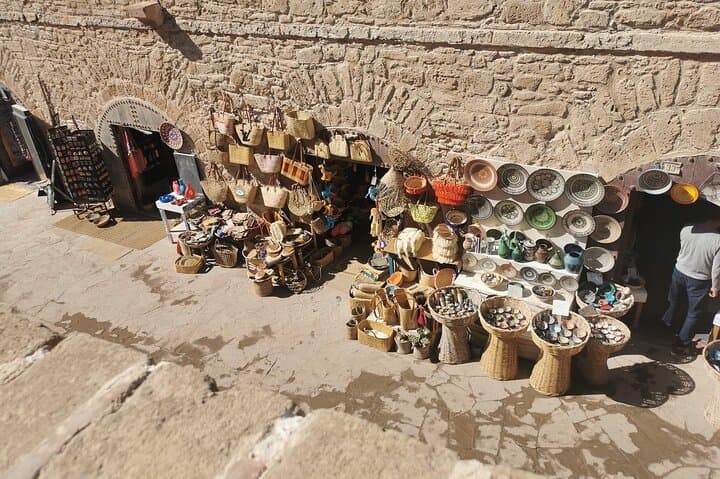
Essaouira’s streets carry layers of history—from Phoenician and Portuguese anchors to the 18th-century fortifications that shaped the port of Mogador. Geologically, the coastline is a mix of wind-swept dunes and rocky headlands; waves shape the harbor and the beach, currents that both draw fishermen and push visitors toward wide sandy shores. Culturally the town is theatrical yet straightforward: a working fish market, cooperative argan workshops where women press oil in the traditional way, and narrow alleys where artisans sell carved thuya wood and silver jewelry.
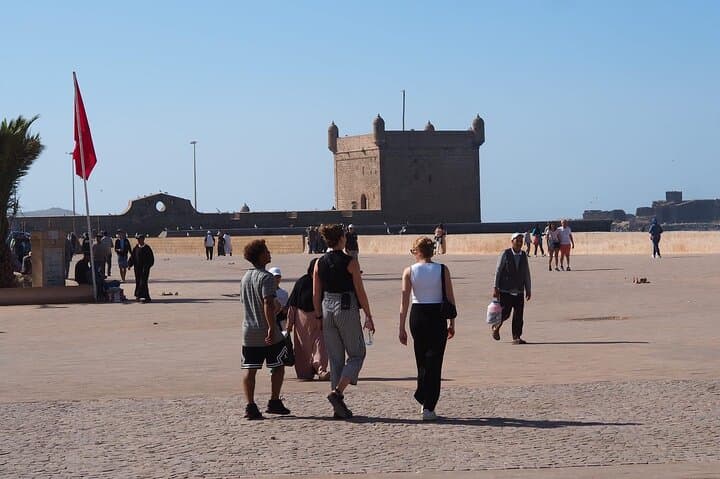
Expect a focused day: a guided walk through the UNESCO-era medina architecture and harbor, time at the fish market and ramparts (Skala de la Ville), a visit to an argan cooperative en route, and an afternoon on the beach. The wind that animates the town is a feature—plan for gusts, layered clothing, and brief uphill cobbles. Practicalities: the excursion is a full-day road transfer (~2.5–3 hours each way), light walking on uneven surfaces, and short waits at photo points.
Bring sun protection, a refillable water bottle, cash for market purchases, and a sense of patience—the pace in Essaouira answers to tides and trade, not timetables.
easy.
10 hours.
Suitable for most fitness levels; requires light walking and standing on uneven surfaces for several hours.
Expect about 2.5–3 hours each way depending on traffic and chosen route; the tour includes round-trip transport.
The itinerary includes beach time for walking and relaxing; surf and kite-surfing are available independently but are not part of the standard day-tour package.
Many cooperatives are community-run; look for cooperatives where producers speak about their process and where purchases support local women’s economies.
Yes—this tour is suitable for families; infant seats and stroller access are typically available but confirm at booking.
Essaouira (formerly Mogador) has been a strategic Atlantic port since the 18th century, with fortified ramparts influenced by European and local designers.
Argan groves are protected and cooperative-driven production supports local livelihoods; visitors should avoid single-use plastics and respect marine life by not feeding wildlife.
Tours Around Morocco operates guided outdoor trips and adventures with an emphasis on safety, stewardship, and memorable experiences.
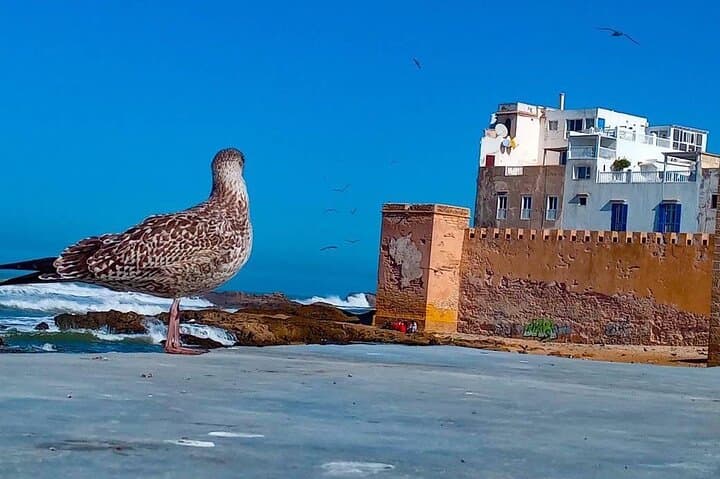
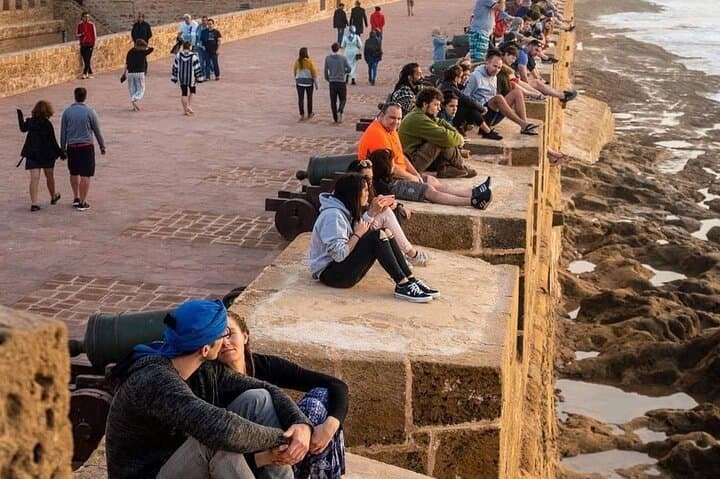
You roll out of Marrakech before dawn and the High Atlas recedes into the rearview as Atlantic salt begins to perfume the air. By midmorning the medina of Essaouira appears: low white walls trimmed in blue, cannon-lined ramparts, fishing boats rocking in a wind that seems intent on keeping everyone honest.
You roll out of Marrakech before dawn and the High Atlas recedes into the rearview as Atlantic salt begins to perfume the air. By midmorning the medina of Essaouira appears: low white walls trimmed in blue, cannon-lined ramparts, fishing boats rocking in a wind that seems intent on keeping everyone honest.
Essaouira’s streets carry layers of history—from Phoenician and Portuguese anchors to the 18th-century fortifications that shaped the port of Mogador. Geologically, the coastline is a mix of wind-swept dunes and rocky headlands; waves shape the harbor and the beach, currents that both draw fishermen and push visitors toward wide sandy shores. Culturally the town is theatrical yet straightforward: a working fish market, cooperative argan workshops where women press oil in the traditional way, and narrow alleys where artisans sell carved thuya wood and silver jewelry.
Expect a focused day: a guided walk through the UNESCO-era medina architecture and harbor, time at the fish market and ramparts (Skala de la Ville), a visit to an argan cooperative en route, and an afternoon on the beach. The wind that animates the town is a feature—plan for gusts, layered clothing, and brief uphill cobbles. Practicalities: the excursion is a full-day road transfer (~2.5–3 hours each way), light walking on uneven surfaces, and short waits at photo points.
Bring sun protection, a refillable water bottle, cash for market purchases, and a sense of patience—the pace in Essaouira answers to tides and trade, not timetables.