THE ADVENTURE COLLECTIVE® · Independent discovery and booking for outdoor travel

Escape Marrakech for a full-day coastal escape to Essaouira—a tidy medina, working port, argan cooperatives and long Atlantic beaches. This day trip is a low-effort, high-reward way to experience Morocco’s western shore.
Escape Marrakech for a full-day coastal escape to Essaouira—a tidy medina, working port, argan cooperatives and long Atlantic beaches. This day trip is a low-effort, high-reward way to experience Morocco’s western shore.
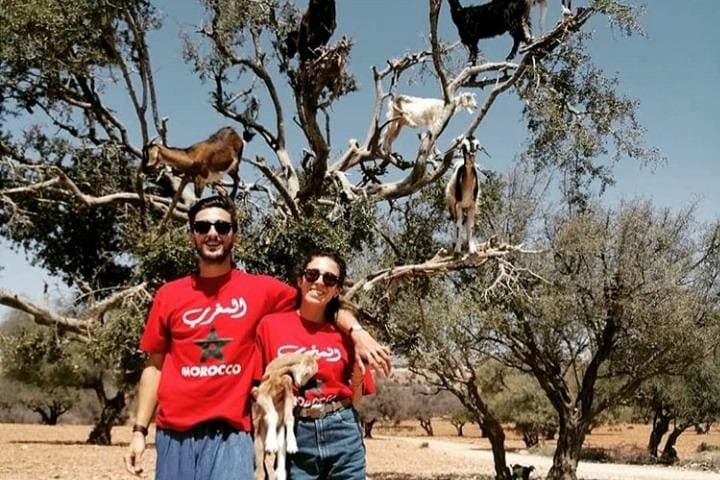
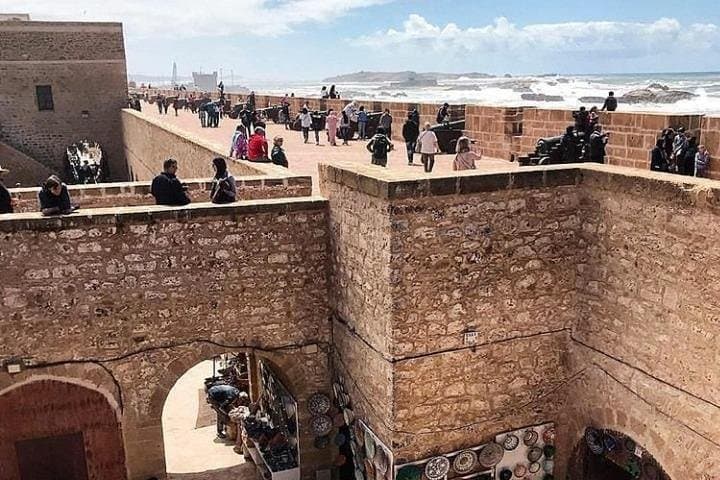
Salted Atlantic air meets open plazas within a morning’s drive from Marrakech. You slide out of the Haouz plain, past argan-studded hills where goats perch in trees, and arrive in Essaouira to a rhythm set by gulls, fishermen and wind. The harbor’s medieval cannons stare out over the surf while narrow streets open into neat, low-rise alleys of whitewashed houses and Thuya-wood workshops.
Verified experiences and guided adventures in the surrounding area.
Operated by RMT Tours · Essaouira, Marrakech-Safi
Salted Atlantic air meets open plazas within a morning’s drive from Marrakech. You slide out of the Haouz plain, past argan-studded hills where goats perch in trees, and arrive in Essaouira to a rhythm set by gulls, fishermen and wind. The harbor’s medieval cannons stare out over the surf while narrow streets open into neat, low-rise alleys of whitewashed houses and Thuya-wood workshops.
Essaouira’s history reads like a layered map: Portuguese bastions and 18th-century ramparts sit on top of a fishing town that became a cultural crossroads. Geologically the coast is a stretch of sedimentary cliffs and sandy spits—Mogador beach is long and firm, ideal for walking and watching kitesurfers launch where Atlantic swells meet steady trade winds. Culturally, the Medina is compact and orderly compared with other Moroccan old towns; you’ll find art galleries, seafood cafés, and a Mellah (old Jewish quarter) that hints at the town’s multiethnic past.
Practically, the drive from Marrakech is roughly 2.5–3 hours each way (about 190 km), making this an 8–10 hour outing with hotel pickup and drop-off. A stop at a women’s argan cooperative demonstrates traditional oil pressing and is a useful place to buy local products—cash is handy. Wear comfortable walking shoes for cobbles, carry sun protection and a refillable water bottle, and plan lunch near the port to taste the day’s catch. If you want fewer crowds, ask for an early departure; if mobility is a concern, many areas and the transport on this tour are wheelchair accessible.
easy.
8–10 hours.
Suitable for most fitness levels; expect moderate walking on cobbles and beach sand
Expect about 2.5–3 hours each way (roughly 190 km), depending on traffic and stops en route.
Yes—this tour provides several hours of independent time in Essaouira to visit the medina, harbor and beach at your own pace.
Local cooperatives typically demonstrate traditional production and offer products for sale; purchases are optional but support local women’s groups.
The tour notes wheelchair-accessible transport and surfaces, though some older medina streets and beach access may be uneven.
Essaouira evolved from a fortified 18th-century port with Portuguese and Moroccan influences and was an important trading and cultural node on Morocco’s Atlantic coast.
Argan forests are ecologically important and managed locally; buying from certified cooperatives supports sustainable harvesting and local economies.
RMT Tours operates guided outdoor trips and adventures with an emphasis on safety, stewardship, and memorable experiences.
Salted Atlantic air meets open plazas within a morning’s drive from Marrakech. You slide out of the Haouz plain, past argan-studded hills where goats perch in trees, and arrive in Essaouira to a rhythm set by gulls, fishermen and wind. The harbor’s medieval cannons stare out over the surf while narrow streets open into neat, low-rise alleys of whitewashed houses and Thuya-wood workshops.
Salted Atlantic air meets open plazas within a morning’s drive from Marrakech. You slide out of the Haouz plain, past argan-studded hills where goats perch in trees, and arrive in Essaouira to a rhythm set by gulls, fishermen and wind. The harbor’s medieval cannons stare out over the surf while narrow streets open into neat, low-rise alleys of whitewashed houses and Thuya-wood workshops.
Essaouira’s history reads like a layered map: Portuguese bastions and 18th-century ramparts sit on top of a fishing town that became a cultural crossroads. Geologically the coast is a stretch of sedimentary cliffs and sandy spits—Mogador beach is long and firm, ideal for walking and watching kitesurfers launch where Atlantic swells meet steady trade winds. Culturally, the Medina is compact and orderly compared with other Moroccan old towns; you’ll find art galleries, seafood cafés, and a Mellah (old Jewish quarter) that hints at the town’s multiethnic past.
Practically, the drive from Marrakech is roughly 2.5–3 hours each way (about 190 km), making this an 8–10 hour outing with hotel pickup and drop-off. A stop at a women’s argan cooperative demonstrates traditional oil pressing and is a useful place to buy local products—cash is handy. Wear comfortable walking shoes for cobbles, carry sun protection and a refillable water bottle, and plan lunch near the port to taste the day’s catch. If you want fewer crowds, ask for an early departure; if mobility is a concern, many areas and the transport on this tour are wheelchair accessible.