THE ADVENTURE COLLECTIVE® · Independent discovery and booking for outdoor travel

Escape Marrakech for a full‑day excursion to Essaouira’s wind‑sculpted coast — stroll 16th‑century ramparts, sample seafood at the fishing port, and visit an argan co‑op on the return. A practical, self‑guided day that blends coastal scenery with coastal culture.
Escape Marrakech for a full‑day excursion to Essaouira’s wind‑sculpted coast — stroll 16th‑century ramparts, sample seafood at the fishing port, and visit an argan co‑op on the return. A practical, self‑guided day that blends coastal scenery with coastal culture.
A salt wind hits the windows as the air‑conditioned vehicle eases from Marrakech onto the western road. Two hours later the Atlantic opens in a wide, windy sweep and Essaouira’s whitewashed ramparts appear, guns and stonework turning toward the ocean like an old ship’s prow.
Verified experiences and guided adventures in the surrounding area.
Operated by MARRAKECH CONCIERGE TOUR · Essaouira, Marrakesh-Safi
A salt wind hits the windows as the air‑conditioned vehicle eases from Marrakech onto the western road. Two hours later the Atlantic opens in a wide, windy sweep and Essaouira’s whitewashed ramparts appear, guns and stonework turning toward the ocean like an old ship’s prow.
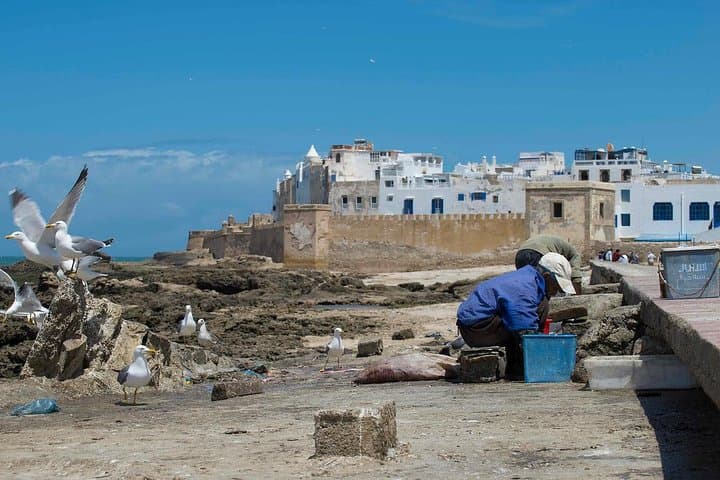
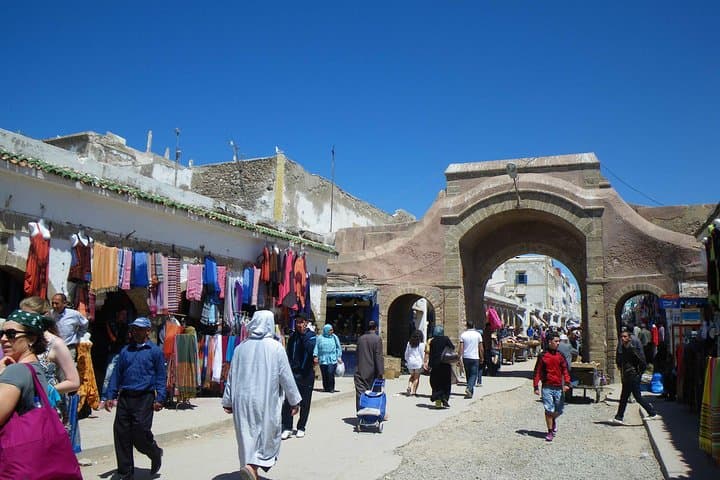
Essaouira’s medina reflects Portuguese and Moroccan layers: 16th‑century bastions, narrow lanes where thuya woodworkers carve small objects, and open squares where Gnaoua bands play their low rhythms. The coast is both geological and cultural — long sandy beaches shaped by steady Atlantic swells and an economy built on fishing and argan production. Fishermen operate from a compact port ringed with blue boats; markets sell the day’s catch and the seafront cafes fire up grills for simple seafood lunches.
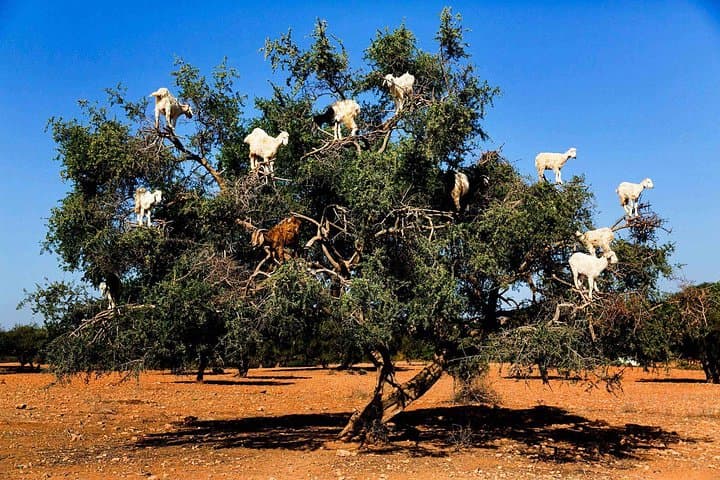
Visitors typically combine a walk on the ramparts and along more than six miles of beach with time in the medina. A stop at an argan co‑operative on the return shows the labor‑intensive pressing methods that make argan oil a local specialty and a source of income for Berber women.
Practical guidance: leave Marrakech early to maximize daylight in Essaouira, bring layered clothing for strong onshore winds, and carry cash for small purchases. Mobility is generally easy—paved ramparts and market streets—though cobbles can be uneven. Expect a relaxed pace: this is a town that rewards wandering, listening to the sea, and tasting the day’s catch.
easy.
11–13 hours (round trip including transfers).
Suitable for most fitness levels—requires basic mobility for walking on cobbles and beaches.
Expect about a two‑hour drive each way under normal traffic; plan for a full day including time to explore.
Yes—local guides are available for medina and rampart tours, usually hired on arrival or pre‑booked for specialized walks.
Much of the town is accessible; however cobbles and narrow lanes can be challenging—wheelchair access is possible in many areas but some spots are uneven.
Yes—windsurfing and kitesurfing are popular thanks to steady Atlantic winds; rental shops and schools operate near the main beaches.
Essaouira’s fortifications were developed under Portuguese and later Moroccan rule in the 16th century, shaping its grid‑style medina and seafront defences.
Local efforts emphasize sustainable argan harvesting and responsible tourism to protect coastal habitats and support Berber cooperative incomes.
MARRAKECH CONCIERGE TOUR operates guided outdoor trips and adventures with an emphasis on safety, stewardship, and memorable experiences.
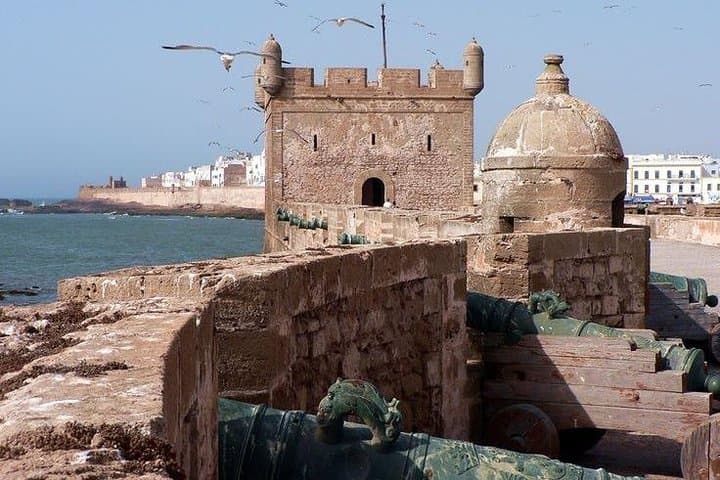
A salt wind hits the windows as the air‑conditioned vehicle eases from Marrakech onto the western road. Two hours later the Atlantic opens in a wide, windy sweep and Essaouira’s whitewashed ramparts appear, guns and stonework turning toward the ocean like an old ship’s prow.
A salt wind hits the windows as the air‑conditioned vehicle eases from Marrakech onto the western road. Two hours later the Atlantic opens in a wide, windy sweep and Essaouira’s whitewashed ramparts appear, guns and stonework turning toward the ocean like an old ship’s prow.
Essaouira’s medina reflects Portuguese and Moroccan layers: 16th‑century bastions, narrow lanes where thuya woodworkers carve small objects, and open squares where Gnaoua bands play their low rhythms. The coast is both geological and cultural — long sandy beaches shaped by steady Atlantic swells and an economy built on fishing and argan production. Fishermen operate from a compact port ringed with blue boats; markets sell the day’s catch and the seafront cafes fire up grills for simple seafood lunches.
Visitors typically combine a walk on the ramparts and along more than six miles of beach with time in the medina. A stop at an argan co‑operative on the return shows the labor‑intensive pressing methods that make argan oil a local specialty and a source of income for Berber women.
Practical guidance: leave Marrakech early to maximize daylight in Essaouira, bring layered clothing for strong onshore winds, and carry cash for small purchases. Mobility is generally easy—paved ramparts and market streets—though cobbles can be uneven. Expect a relaxed pace: this is a town that rewards wandering, listening to the sea, and tasting the day’s catch.