THE ADVENTURE COLLECTIVE® · Independent discovery and booking for outdoor travel

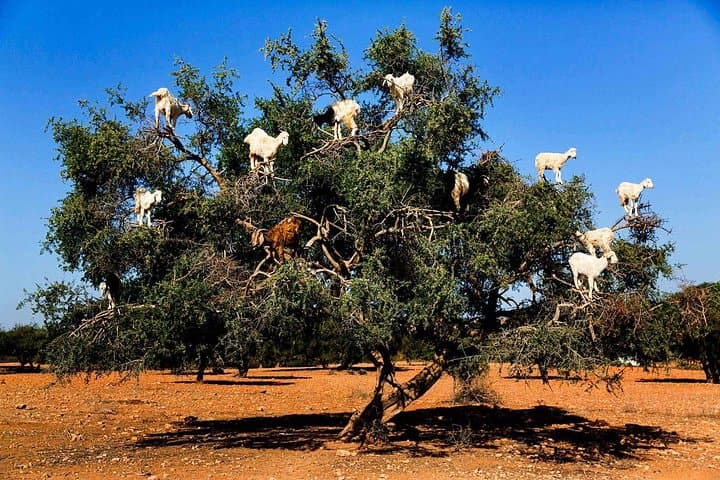
Escape Marrakech for a full‑day circuit to Essaouira: fortified ramparts, bustling fish markets, and a visit to a Berber argan co‑op. This practical guide explains what to expect, how to prepare, and where to find the best seafood and local crafts.
Escape Marrakech for a full‑day circuit to Essaouira: fortified ramparts, bustling fish markets, and a visit to a Berber argan co‑op. This practical guide explains what to expect, how to prepare, and where to find the best seafood and local crafts.
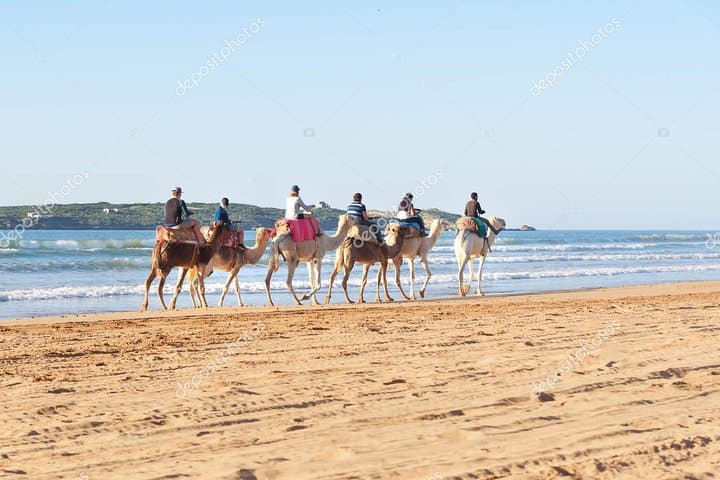
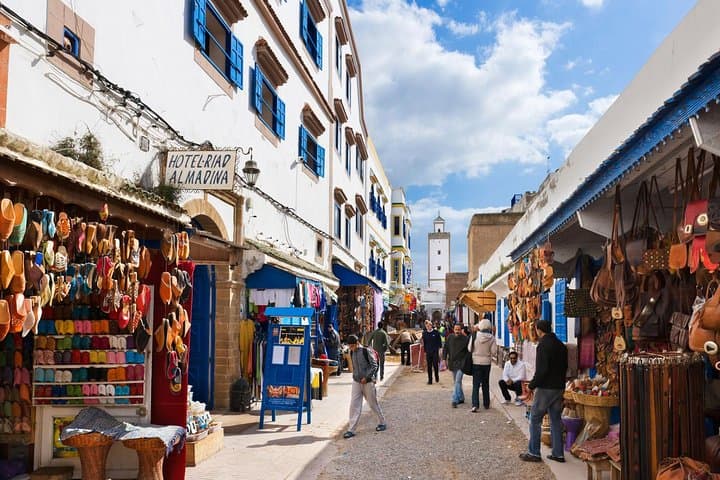
A salt-sweet wind meets the minibus as it slows onto Essaouira’s quay, and the port’s gulls seem to dare you to keep moving. Walks along the ochre ramparts reveal the city’s layered character: 18th‑century fortifications facing the Atlantic, narrow medina lanes opening onto fish markets, and a long sweep of sand that invites barefoot recovery.
Verified experiences and guided adventures in the surrounding area.
Operated by Morocco Desert VIP · Essaouira, Marrakech-Safi
A salt-sweet wind meets the minibus as it slows onto Essaouira’s quay, and the port’s gulls seem to dare you to keep moving. Walks along the ochre ramparts reveal the city’s layered character: 18th‑century fortifications facing the Atlantic, narrow medina lanes opening onto fish markets, and a long sweep of sand that invites barefoot recovery.
Essaouira — historically called Mogador — was redesigned under Sultan Sidi Mohammed ben Abdallah in the 1760s and shaped by its role as a trading port. The local geology is coastal sandstone and wind‑scoured clay; the constant trade winds carve every building edge and power the kitesurfing scene just down the beach. Culture here mixes Arabic, Berber and European influences: French urban planning, Jewish quarter traces, and artisans producing in small silver and wood workshops.
Practical guidance: most visits begin early from Marrakech and return by evening; expect a 10–11 hour day. Wear sturdy shoes for cobblestones and a light windbreaker—the Atlantic wind is persistent. Carry local cash for small purchases and tipping cooperative producers. Plan lunch in the port for the freshest seafood; service is relaxed and the portions generous.
Timing matters: mid‑day is busiest in the medina, while late afternoon calms the market and sharpens light for photos. Respect local customs in souks and at cooperative visits: ask before photographing people and sample argan products before buying. With basic preparation, the day is a compact mix of coastal scenery, living history, and hands‑on cultural exchange.
easy.
10–11 hours.
Suitable for travelers in normal daily fitness; involves several hours of walking on varied surfaces
Yes—this tour includes hotel pickup and drop‑off in Marrakech as part of the full‑day itinerary.
Entrance to the medina and beach is public; the tour includes transport and visits such as the argan cooperative, while specific museum or paid displays may require a small ticket on site.
Yes—most cooperatives sell oils and cosmetics; choose cooperatives run by women for ethical sourcing and ask about production methods before purchasing.
The tour is family‑friendly and notes stroller accessibility for short stretches, though cobbled lanes and stairs in the medina can limit stroller use in places.
Essaouira (formerly Mogador) was rebuilt in the 18th century under Sultan Sidi Mohammed ben Abdallah and developed as a strategic Atlantic trading port with European design input.
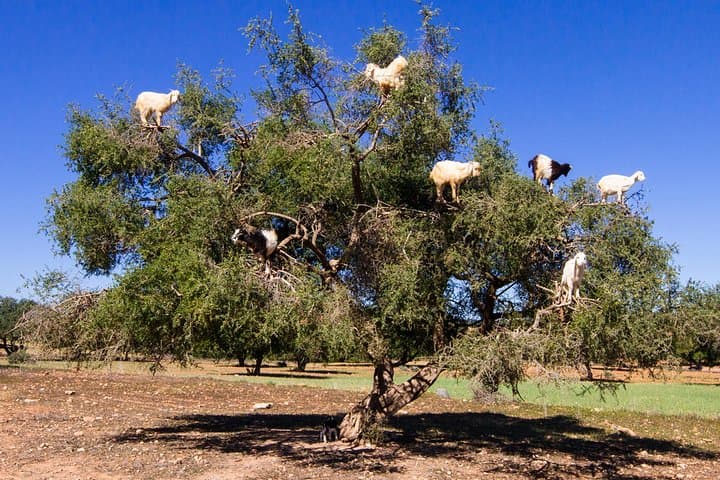
Argan forests are protected and many local cooperatives focus on sustainable harvesting; visitors should minimize plastic waste and support certified producers to reduce tourism impact.
Morocco Desert VIP operates guided outdoor trips and adventures with an emphasis on safety, stewardship, and memorable experiences.
A salt-sweet wind meets the minibus as it slows onto Essaouira’s quay, and the port’s gulls seem to dare you to keep moving. Walks along the ochre ramparts reveal the city’s layered character: 18th‑century fortifications facing the Atlantic, narrow medina lanes opening onto fish markets, and a long sweep of sand that invites barefoot recovery.
A salt-sweet wind meets the minibus as it slows onto Essaouira’s quay, and the port’s gulls seem to dare you to keep moving. Walks along the ochre ramparts reveal the city’s layered character: 18th‑century fortifications facing the Atlantic, narrow medina lanes opening onto fish markets, and a long sweep of sand that invites barefoot recovery.
Essaouira — historically called Mogador — was redesigned under Sultan Sidi Mohammed ben Abdallah in the 1760s and shaped by its role as a trading port. The local geology is coastal sandstone and wind‑scoured clay; the constant trade winds carve every building edge and power the kitesurfing scene just down the beach. Culture here mixes Arabic, Berber and European influences: French urban planning, Jewish quarter traces, and artisans producing in small silver and wood workshops.
Practical guidance: most visits begin early from Marrakech and return by evening; expect a 10–11 hour day. Wear sturdy shoes for cobblestones and a light windbreaker—the Atlantic wind is persistent. Carry local cash for small purchases and tipping cooperative producers. Plan lunch in the port for the freshest seafood; service is relaxed and the portions generous.
Timing matters: mid‑day is busiest in the medina, while late afternoon calms the market and sharpens light for photos. Respect local customs in souks and at cooperative visits: ask before photographing people and sample argan products before buying. With basic preparation, the day is a compact mix of coastal scenery, living history, and hands‑on cultural exchange.