THE ADVENTURE COLLECTIVE® · Independent discovery and booking for outdoor travel

A full‑day escape from Marrakech to Essaouira delivers coastal air, UNESCO‑listed medina streets, working fishing port scenes and lively craft markets—perfect for travelers wanting culture and shoreline views in a single day.
A full‑day escape from Marrakech to Essaouira delivers coastal air, UNESCO‑listed medina streets, working fishing port scenes and lively craft markets—perfect for travelers wanting culture and shoreline views in a single day.
On the road to Essaouira the Atlantic wind begins to show itself in the way the palms tilt and dust lifts off the red-ochre plains—three hours from Marrakech, the landscape opens and the ocean announces itself.
Verified experiences and guided adventures in the surrounding area.
Operated by Silence of Morocco · Essaouira, Marrakesh-Safi
On the road to Essaouira the Atlantic wind begins to show itself in the way the palms tilt and dust lifts off the red-ochre plains—three hours from Marrakech, the landscape opens and the ocean announces itself.
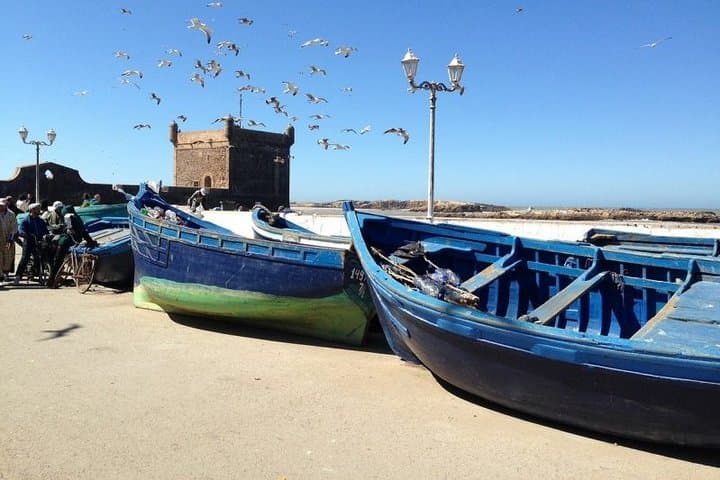
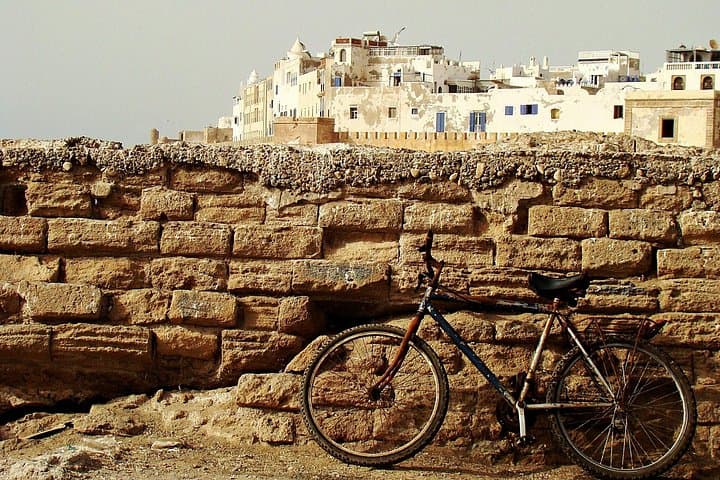
Arrive to whitewashed walls, narrow lanes and a port where gulls wheel like punctuation marks above the fishing boats. The town’s Portuguese ramparts, cut into volcanic rock and weathered by spray, frame views across a broad bay where currents shape the sand into long, restless beaches. Essaouira’s medina is a UNESCO site for its intact 18th‑century grid and hybrid architecture: European fortifications braided with Moroccan crafts traditions that still thrive in wood, metal and mother‑of‑pearl workshops.
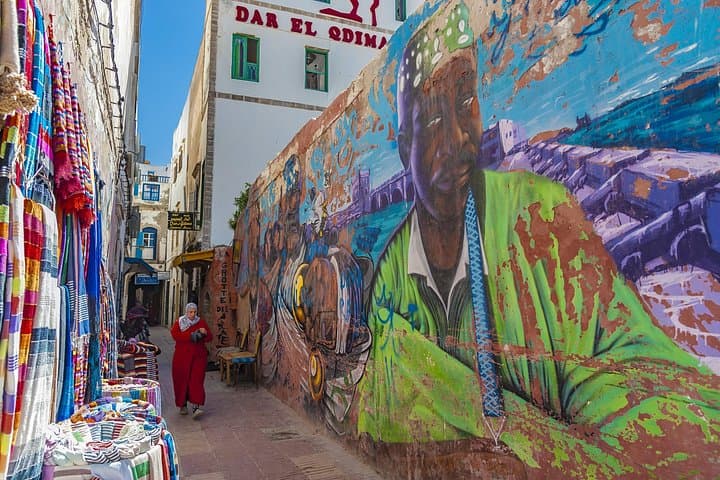
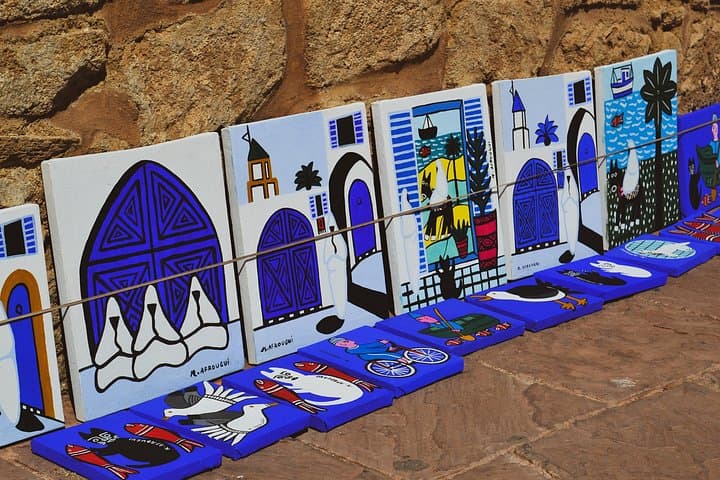
Local life centers on the port and souk—fishmongers negotiate loud, artisans carve thuya wood, and cafés pour mint tea beside fishermen mending nets. Geology is visible in the ramparts and the long beach: coastal deposits and exposed bedrock make for a mix of sandy and stony shoreline under persistent Atlantic winds.
Practical notes: departures early from Marrakech (around 08:00) mean a full day—expect 10–12 hours including travel. Bring layered clothing; the coast is cooler and windier than Marrakech. Plan for a relaxed walking pace on cobbled alleys and the ramparts—flat but uneven surfaces. Cash is useful for market purchases and small seafood stalls. If you want a quieter experience, head to the ramparts at golden hour when the light softens and the day trippers have thinned.
This trip balances culture, coastal scenery and easy walking—an accessible day escape that pairs maritime energy with handcrafted detail.
easy.
10–12 hours.
Suitable for most fitness levels; involves several hours of walking on flat but uneven surfaces.
Expect about 2.5–3 hours each way depending on traffic and your pickup location in Marrakech.
No—lunch is free time; Essaouira is known for fresh grilled fish and seaside cafés where you can choose where to eat.
Many main areas and some ramps are accessible, but cobbles and narrow lanes can be challenging; check specific accessibility needs with the operator.
Moroccan dirham (MAD) is preferred—small vendors and craft stalls commonly accept cash only.
Essaouira grew as a fortified Atlantic port in the 18th century with Portuguese and later Moroccan influence; its medina reflects strategic coastal design.
The town faces pressure from coastal erosion and tourism; support local crafts and avoid single‑use plastics to reduce impact.
Silence of Morocco operates guided outdoor trips and adventures with an emphasis on safety, stewardship, and memorable experiences.
On the road to Essaouira the Atlantic wind begins to show itself in the way the palms tilt and dust lifts off the red-ochre plains—three hours from Marrakech, the landscape opens and the ocean announces itself.
On the road to Essaouira the Atlantic wind begins to show itself in the way the palms tilt and dust lifts off the red-ochre plains—three hours from Marrakech, the landscape opens and the ocean announces itself.
Arrive to whitewashed walls, narrow lanes and a port where gulls wheel like punctuation marks above the fishing boats. The town’s Portuguese ramparts, cut into volcanic rock and weathered by spray, frame views across a broad bay where currents shape the sand into long, restless beaches. Essaouira’s medina is a UNESCO site for its intact 18th‑century grid and hybrid architecture: European fortifications braided with Moroccan crafts traditions that still thrive in wood, metal and mother‑of‑pearl workshops.
Local life centers on the port and souk—fishmongers negotiate loud, artisans carve thuya wood, and cafés pour mint tea beside fishermen mending nets. Geology is visible in the ramparts and the long beach: coastal deposits and exposed bedrock make for a mix of sandy and stony shoreline under persistent Atlantic winds.
Practical notes: departures early from Marrakech (around 08:00) mean a full day—expect 10–12 hours including travel. Bring layered clothing; the coast is cooler and windier than Marrakech. Plan for a relaxed walking pace on cobbled alleys and the ramparts—flat but uneven surfaces. Cash is useful for market purchases and small seafood stalls. If you want a quieter experience, head to the ramparts at golden hour when the light softens and the day trippers have thinned.
This trip balances culture, coastal scenery and easy walking—an accessible day escape that pairs maritime energy with handcrafted detail.