THE ADVENTURE COLLECTIVE® · Independent discovery and booking for outdoor travel

A full-day escape from Marrakech to Essaouira that pairs coastal scenery with argan forests and lively fishing quays. Expect a 10–12 hour outing with photogenic goat-trees, UNESCO-listed medina streets, and fresh Atlantic seafood lunch options.
A full-day escape from Marrakech to Essaouira that pairs coastal scenery with argan forests and lively fishing quays. Expect a 10–12 hour outing with photogenic goat-trees, UNESCO-listed medina streets, and fresh Atlantic seafood lunch options.
You arrive on the coast as the Atlantic wind slices across the quay and gulls argue over the day's catch. Salt scent and cedar smoke rise from grills where fishermen lay out silver fillets, while the road behind you unwinds through low scrub and patchy argan stands that seem to hold the hills in place.
Verified experiences and guided adventures in the surrounding area.
Operated by Desertbrise Travel · Essaouira, Marrakesh-Safi
You arrive on the coast as the Atlantic wind slices across the quay and gulls argue over the day's catch. Salt scent and cedar smoke rise from grills where fishermen lay out silver fillets, while the road behind you unwinds through low scrub and patchy argan stands that seem to hold the hills in place.
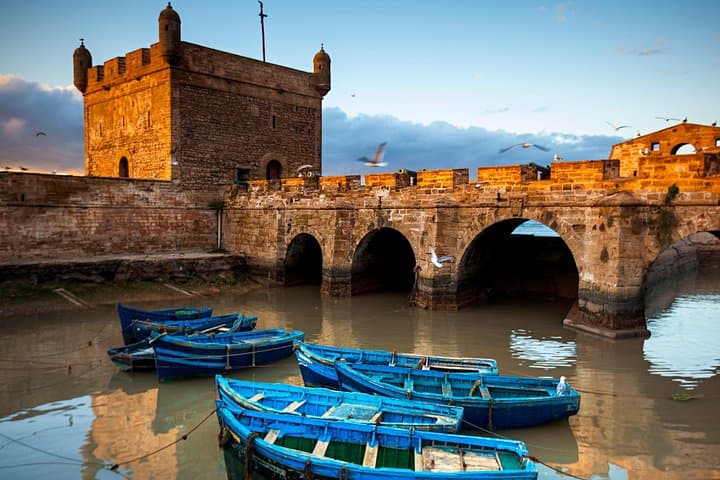
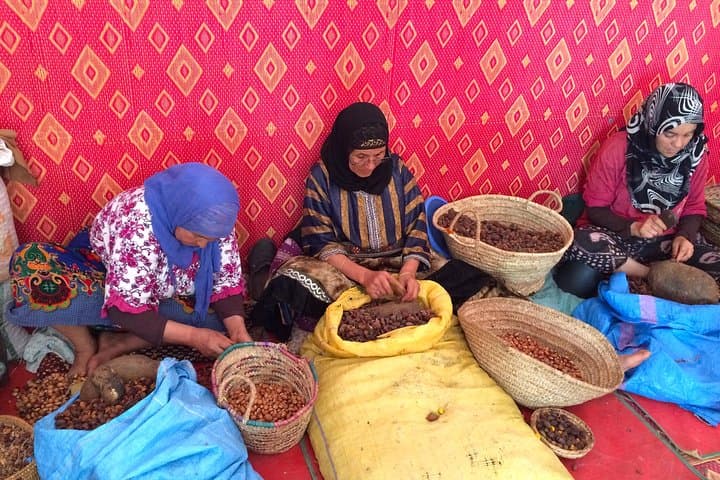
Historically a strategic Moroccan port, Essaouira (formerly Mogador) was fortified in the 18th century and later drew European merchants and artists; the town’s ramparts and grid-like medina reflect that layered past. Geologically the coastline is Atlantic limestone and sand, with nearby plains that support hardy argan (Argania spinosa) adapted to arid conditions and coastal winds. Culturally, women-run cooperatives press argan kernels into oil, and local Thuya woodcraft and parquetry remain regional specialties.
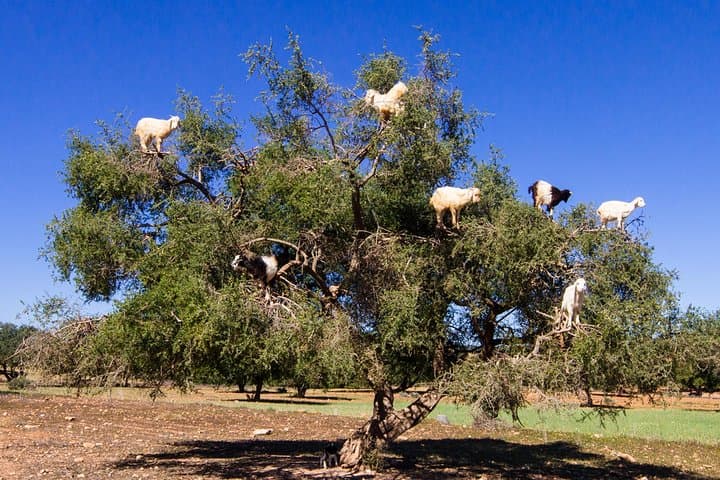
On the drive from Marrakech (about 2h40, 192 km) the landscape changes from red-earth plains to scrub dotted with grazing dromedaries and goats that famously climb argan trees to browse berries — a quirky, photogenic spectacle.
Practical guidance: depart early (this tour usually leaves around 08:00), expect a 10–12 hour day with moderate time walking the medina and on the ramparts. Wear sturdy walking shoes for cobbled streets, bring sun protection and a refillable water bottle; the Atlantic breeze can be strong so a light windbreaker helps. If you want an argan-cooperative visit, budget cash for small purchases and tipping. Respect local sellers and ask before photographing people. The pace is relaxed but long—plan for a seafood lunch by the port and a comfortable ride back to Marrakech in an air-conditioned vehicle.
easy.
10–12 hours.
Light fitness required; mostly walking on flat streets and short inclines up ramparts. Comfortable standing and short walks recommended.
The drive is roughly 2 hours 40 minutes (about 192 km) each way, depending on traffic and stops.
Yes — along the route and near cooperatives you can often see goats climbing low argan branches to feed; sightings depend on season and local herding patterns.
Lunch is typically at your own expense; the tour stops near the port where fresh seafood restaurants and market stalls offer many options.
The vehicle and many areas are accessible, but the medina and ramparts have cobbles and steps; discuss specific needs with the operator before booking.
Essaouira’s 18th-century ramparts and grid medina reflect its role as a fortified trading port influenced by European and North African maritime history.
Argan forests are protected through community cooperatives and reforestation efforts; support local women’s cooperatives and avoid buying unsustainably sourced wood products.
Desertbrise Travel operates guided outdoor trips and adventures with an emphasis on safety, stewardship, and memorable experiences.
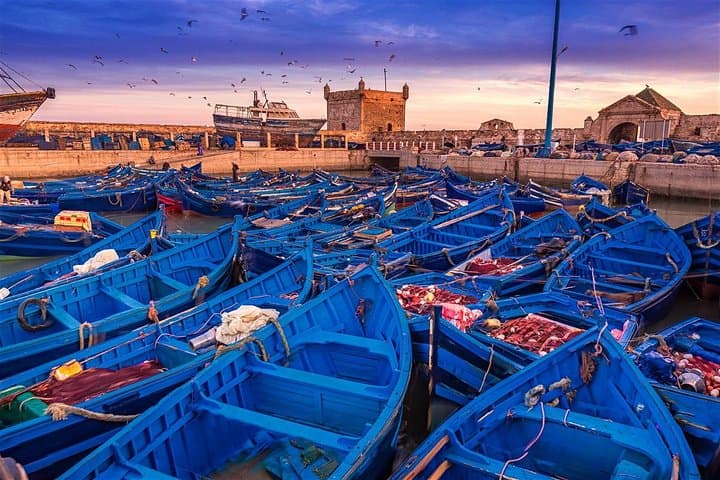
You arrive on the coast as the Atlantic wind slices across the quay and gulls argue over the day's catch. Salt scent and cedar smoke rise from grills where fishermen lay out silver fillets, while the road behind you unwinds through low scrub and patchy argan stands that seem to hold the hills in place.
You arrive on the coast as the Atlantic wind slices across the quay and gulls argue over the day's catch. Salt scent and cedar smoke rise from grills where fishermen lay out silver fillets, while the road behind you unwinds through low scrub and patchy argan stands that seem to hold the hills in place.
Historically a strategic Moroccan port, Essaouira (formerly Mogador) was fortified in the 18th century and later drew European merchants and artists; the town’s ramparts and grid-like medina reflect that layered past. Geologically the coastline is Atlantic limestone and sand, with nearby plains that support hardy argan (Argania spinosa) adapted to arid conditions and coastal winds. Culturally, women-run cooperatives press argan kernels into oil, and local Thuya woodcraft and parquetry remain regional specialties.
On the drive from Marrakech (about 2h40, 192 km) the landscape changes from red-earth plains to scrub dotted with grazing dromedaries and goats that famously climb argan trees to browse berries — a quirky, photogenic spectacle.
Practical guidance: depart early (this tour usually leaves around 08:00), expect a 10–12 hour day with moderate time walking the medina and on the ramparts. Wear sturdy walking shoes for cobbled streets, bring sun protection and a refillable water bottle; the Atlantic breeze can be strong so a light windbreaker helps. If you want an argan-cooperative visit, budget cash for small purchases and tipping. Respect local sellers and ask before photographing people. The pace is relaxed but long—plan for a seafood lunch by the port and a comfortable ride back to Marrakech in an air-conditioned vehicle.