THE ADVENTURE COLLECTIVE® · Independent discovery and booking for outdoor travel

Take a full-day ride from Agadir to Essaouira to experience an Atlantic port city with fortified ramparts, argan cooperatives, and wind-swept beaches. This guide lays out what to expect on the road, in the medina, and at the harbor.
Take a full-day ride from Agadir to Essaouira to experience an Atlantic port city with fortified ramparts, argan cooperatives, and wind-swept beaches. This guide lays out what to expect on the road, in the medina, and at the harbor.
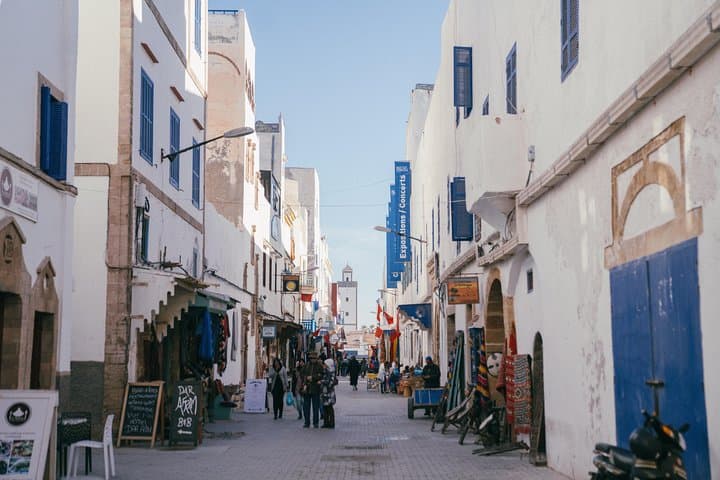
The wind off the Atlantic meets the ramparts first: cool, persistent, and sharpening the scent of salt and fish. On a full-day run from Agadir, travelers step out of an air-conditioned van into Essaouira’s harbor light — gulls arguing over the catch, bronze canons facing Mogador Island, and narrow lanes that push visitors inward toward workshops and cafés.
Verified experiences and guided adventures in the surrounding area.
Operated by Travica · Essaouira, Marrakech-Safi
The wind off the Atlantic meets the ramparts first: cool, persistent, and sharpening the scent of salt and fish. On a full-day run from Agadir, travelers step out of an air-conditioned van into Essaouira’s harbor light — gulls arguing over the catch, bronze canons facing Mogador Island, and narrow lanes that push visitors inward toward workshops and cafés.
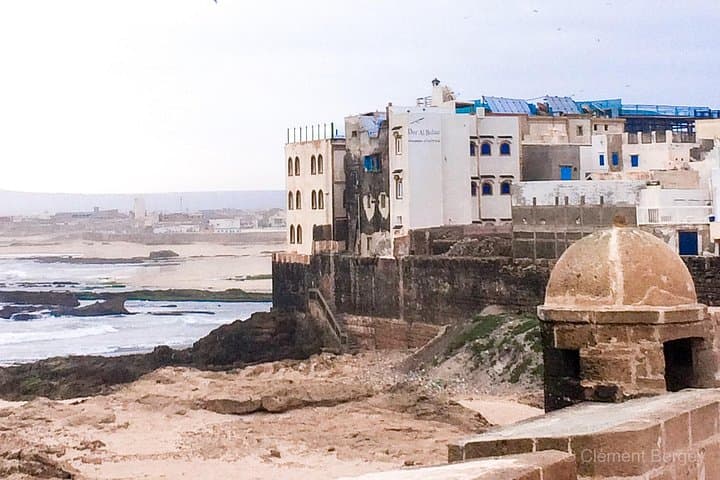
Essaouira (historically Mogador) sits on a rocky spit carved by waves and centuries of trade. Its 18th-century fortifications, ordered by Sultan Mohammed ben Abdallah, explain the low, thick walls and broad sea-facing bastions. The nearby coast is a mix of wind-swept beaches and low argan-studded scrub; geology here is coastal sandstone and dunes shaped by Atlantic swells, while argan trees anchor a distinctive cultural economy.
The city’s pulse is artisanal: woodcarvers, brass smiths, and Gnawa musicians who keep the streets alive. The tour typically includes Tamri beach photos, a stop at an argan cooperative to see traditional pressing, and a free walk through the medina and the port. Expect open-air markets, seaside viewpoints, and a pronounced wind that both cools and complicates photography.
Practical edge: this is an 8–10 hour day leaving Agadir early and returning by evening; the route is largely paved and accessible, but bring layered clothing for the wind, small local currency for purchases, and comfortable walking shoes for cobbled lanes. Sun protection, a refillable water bottle, and a light windproof jacket will make the day smoother. Photographers should plan for backlighting on the harbor at midday and stronger side light toward late afternoon.
easy.
8–10 hours.
Suitable for most fitness levels; involves urban walking on uneven cobbles and short stair sections
Expect roughly 2.5–3 hours each way depending on traffic and stops; total tour time is about 8–10 hours.
The transport and many public areas are accessible, but narrow medina lanes and ramparts have uneven surfaces that may limit mobility.
Yes — the itinerary includes a multi-hour free walk through Essaouira’s markets, port, and artisan streets.
Basic commentary is usually available; guides often speak French, English, and Arabic, but check the operator for specific language needs.
Essaouira, once called Mogador, was fortified in the 18th century and shaped by Portuguese and Moroccan maritime trade networks.
Argan forests are ecologically important and under pressure; visiting cooperatives that practice sustainable harvest supports local livelihoods and conservation.
Travica operates guided outdoor trips and adventures with an emphasis on safety, stewardship, and memorable experiences.
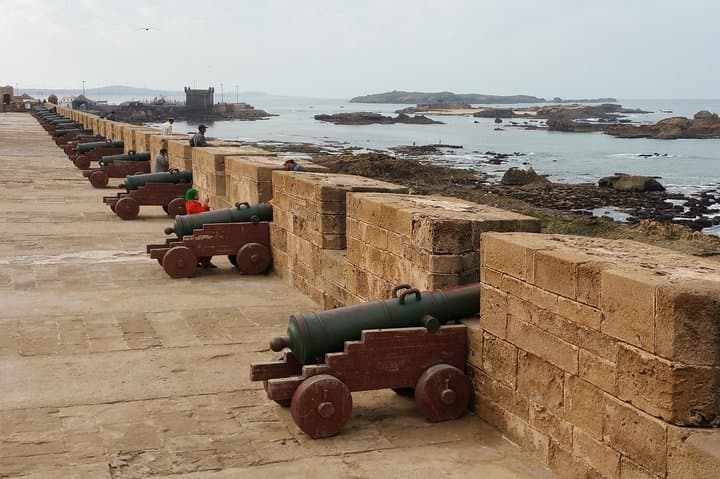
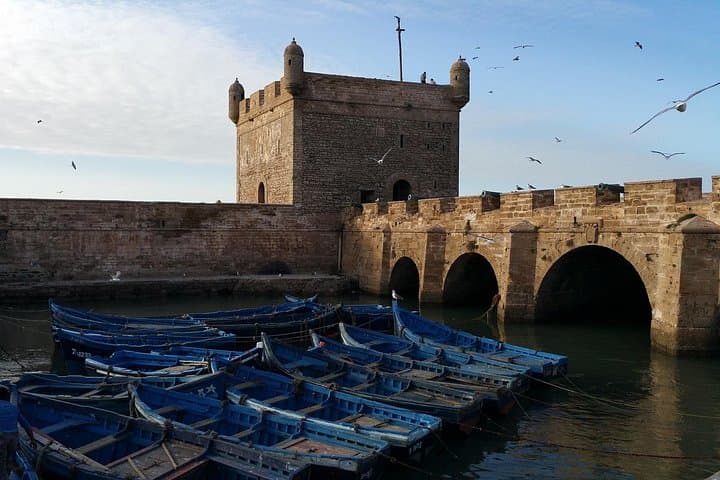
The wind off the Atlantic meets the ramparts first: cool, persistent, and sharpening the scent of salt and fish. On a full-day run from Agadir, travelers step out of an air-conditioned van into Essaouira’s harbor light — gulls arguing over the catch, bronze canons facing Mogador Island, and narrow lanes that push visitors inward toward workshops and cafés.
The wind off the Atlantic meets the ramparts first: cool, persistent, and sharpening the scent of salt and fish. On a full-day run from Agadir, travelers step out of an air-conditioned van into Essaouira’s harbor light — gulls arguing over the catch, bronze canons facing Mogador Island, and narrow lanes that push visitors inward toward workshops and cafés.
Essaouira (historically Mogador) sits on a rocky spit carved by waves and centuries of trade. Its 18th-century fortifications, ordered by Sultan Mohammed ben Abdallah, explain the low, thick walls and broad sea-facing bastions. The nearby coast is a mix of wind-swept beaches and low argan-studded scrub; geology here is coastal sandstone and dunes shaped by Atlantic swells, while argan trees anchor a distinctive cultural economy.
The city’s pulse is artisanal: woodcarvers, brass smiths, and Gnawa musicians who keep the streets alive. The tour typically includes Tamri beach photos, a stop at an argan cooperative to see traditional pressing, and a free walk through the medina and the port. Expect open-air markets, seaside viewpoints, and a pronounced wind that both cools and complicates photography.
Practical edge: this is an 8–10 hour day leaving Agadir early and returning by evening; the route is largely paved and accessible, but bring layered clothing for the wind, small local currency for purchases, and comfortable walking shoes for cobbled lanes. Sun protection, a refillable water bottle, and a light windproof jacket will make the day smoother. Photographers should plan for backlighting on the harbor at midday and stronger side light toward late afternoon.