THE ADVENTURE COLLECTIVE® · Independent discovery and booking for outdoor travel

Escape Marrakech for a full day on Morocco's Atlantic edge: argan groves, a working fish port and centuries-old fortifications await in Essaouira. This practical guide outlines what to expect on a day tour — from terrain and timing to cultural tips and local highlights.
Escape Marrakech for a full day on Morocco's Atlantic edge: argan groves, a working fish port and centuries-old fortifications await in Essaouira. This practical guide outlines what to expect on a day tour — from terrain and timing to cultural tips and local highlights.
A salt-laden wind meets you long before the ramparts come into view — Essaouira's Atlantic weather pushes and prods, urging you along the port where fishing boats negotiate the surf. The day's pace is deliberate: a drive across semi-arid plains, a stop among low, stunted argan groves where goats climb like small sentinels through gnarled branches, and a slow arrival into a whitewashed medina ringed by stone fortifications.
Verified experiences and guided adventures in the surrounding area.
Operated by Zagora Desert Travel · Essaouira, Marrakech-Safi
A salt-laden wind meets you long before the ramparts come into view — Essaouira's Atlantic weather pushes and prods, urging you along the port where fishing boats negotiate the surf. The day's pace is deliberate: a drive across semi-arid plains, a stop among low, stunted argan groves where goats climb like small sentinels through gnarled branches, and a slow arrival into a whitewashed medina ringed by stone fortifications.
Essaouira's shoreline has been shaped by Atlantic currents and centuries of trade. The town displays layers of history — Portuguese-built ramparts and an 18th-century town plan overlaid with Berber and Arabic markets. Geology is simple and stark: wind-polished sandstone cliffs and sandy spits that channel the tide. Culturally, the port remains alive; the fish market is a place of rhythm and commerce, and local argan cooperatives preserve traditional pressing techniques and provide economic ties to nearby villages.
For travelers, the tour is both scenic and practical. Expect a day of walking on cobbled alleys, brief climbs to lookout points, and stops at cooperatives and the harbor. Dress modestly for mosque and museum entrances and bring sun protection: the wind can be cool but the sun is direct. If you plan to swim or try water sports, check seasonal sea conditions and guide availability.
Timing matters — morning light favors photography along the ramparts, while late afternoon offers calmer markets and softer light for the beach. Hydrate, wear grippy shoes for uneven stone, and keep small bills for market purchases.
easy.
10 hours.
Suitable for most fitness levels; expect several short walks on uneven cobbles and light climbs to viewpoints
The transfer typically takes about 2.5 to 3 hours each way depending on traffic and stops along the route.
Swimming is optional; guides can suggest safe spots but sea conditions vary and water sports may be extra activities not included in the standard itinerary.
This tour usually includes light refreshments like coffee or tea; full meals are typically paid locally, with many seafood restaurants near the harbor.
Yes—infant seats are available and the tour is marked suitable for all fitness levels, but confirm family needs at booking and note minimum participant rules.
Essaouira developed as a fortified Atlantic port with Portuguese and later 18th-century Moroccan planning; its medina and ramparts reflect centuries of maritime trade.
Argan cooperatives support local ecosystems and economies; visitors should avoid disturbing nesting seabirds and support responsible purchasing of local products.
Zagora Desert Travel operates guided outdoor trips and adventures with an emphasis on safety, stewardship, and memorable experiences.
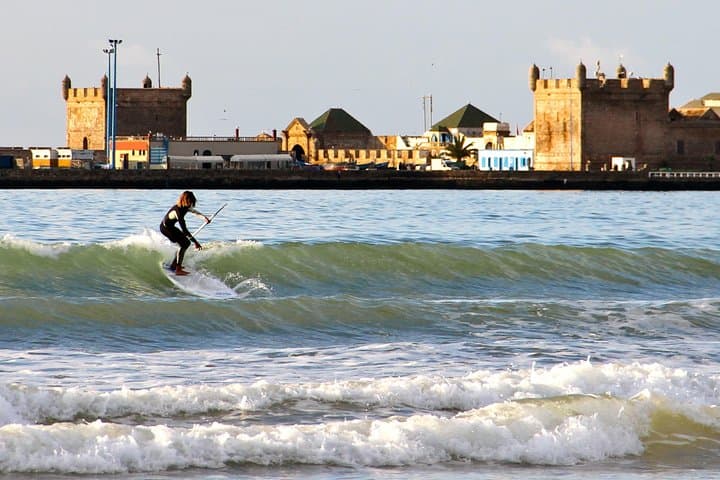
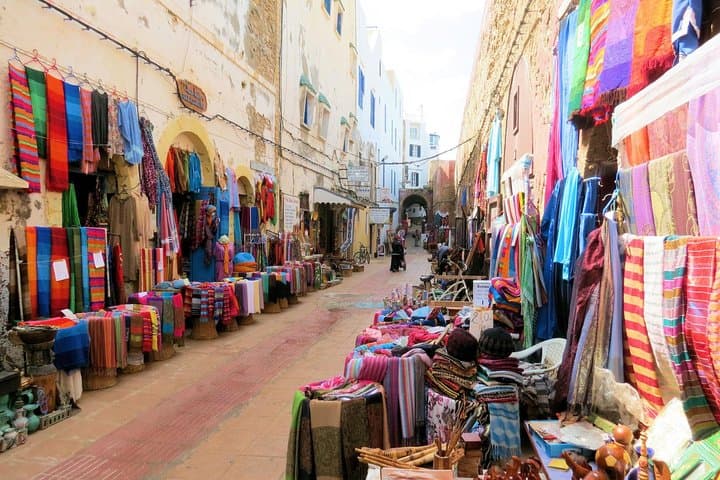

A salt-laden wind meets you long before the ramparts come into view — Essaouira's Atlantic weather pushes and prods, urging you along the port where fishing boats negotiate the surf. The day's pace is deliberate: a drive across semi-arid plains, a stop among low, stunted argan groves where goats climb like small sentinels through gnarled branches, and a slow arrival into a whitewashed medina ringed by stone fortifications.
A salt-laden wind meets you long before the ramparts come into view — Essaouira's Atlantic weather pushes and prods, urging you along the port where fishing boats negotiate the surf. The day's pace is deliberate: a drive across semi-arid plains, a stop among low, stunted argan groves where goats climb like small sentinels through gnarled branches, and a slow arrival into a whitewashed medina ringed by stone fortifications.
Essaouira's shoreline has been shaped by Atlantic currents and centuries of trade. The town displays layers of history — Portuguese-built ramparts and an 18th-century town plan overlaid with Berber and Arabic markets. Geology is simple and stark: wind-polished sandstone cliffs and sandy spits that channel the tide. Culturally, the port remains alive; the fish market is a place of rhythm and commerce, and local argan cooperatives preserve traditional pressing techniques and provide economic ties to nearby villages.
For travelers, the tour is both scenic and practical. Expect a day of walking on cobbled alleys, brief climbs to lookout points, and stops at cooperatives and the harbor. Dress modestly for mosque and museum entrances and bring sun protection: the wind can be cool but the sun is direct. If you plan to swim or try water sports, check seasonal sea conditions and guide availability.
Timing matters — morning light favors photography along the ramparts, while late afternoon offers calmer markets and softer light for the beach. Hydrate, wear grippy shoes for uneven stone, and keep small bills for market purchases.