THE ADVENTURE COLLECTIVE® · Independent discovery and booking for outdoor travel

A gentle camel trek along Essaouira’s beach and dunes offers coastal panoramas, argan groves, and a touch of local culture. Perfect for late-afternoon light and easy-paced exploration, this hour-long ride is accessible and photo-friendly.
A gentle camel trek along Essaouira’s beach and dunes offers coastal panoramas, argan groves, and a touch of local culture. Perfect for late-afternoon light and easy-paced exploration, this hour-long ride is accessible and photo-friendly.
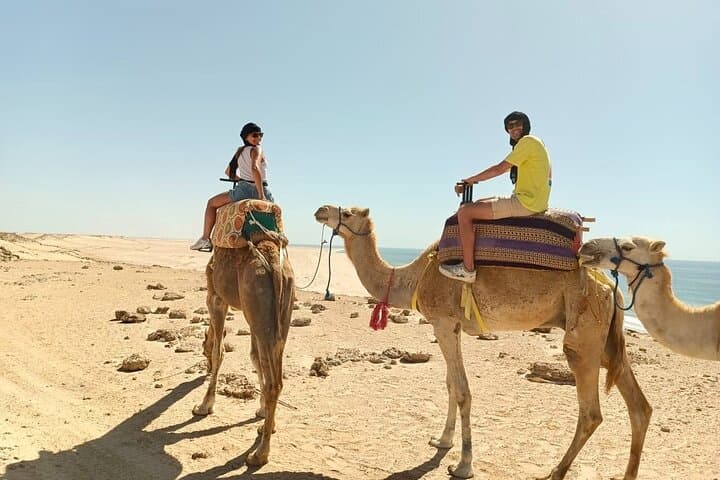
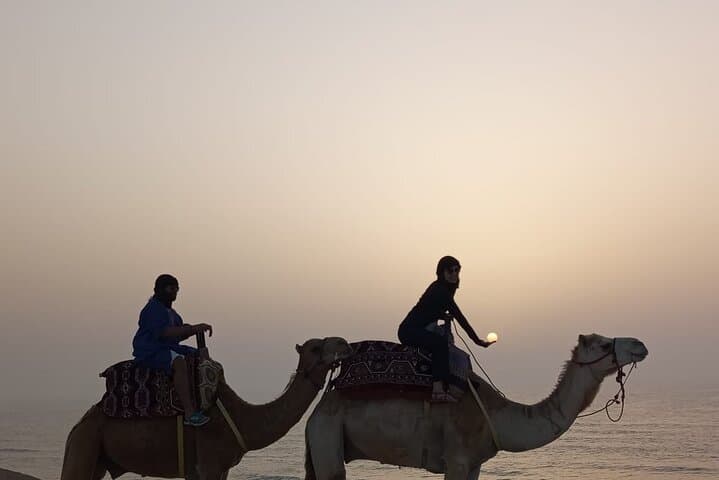
The sun lowers toward the Atlantic and the beach becomes a wide, cool plain. You climb into a saddle at the edge of town, the camel rises with a slow, deliberate heave, and the coastline unfurls: wind-carved dunes, a band of eucalyptus and argan trees, and the shuttered blue of fishing boats in the distance.
Verified experiences and guided adventures in the surrounding area.
Operated by Go Booking Tours · Essaouira, Marrakesh-Safi
The sun lowers toward the Atlantic and the beach becomes a wide, cool plain. You climb into a saddle at the edge of town, the camel rises with a slow, deliberate heave, and the coastline unfurls: wind-carved dunes, a band of eucalyptus and argan trees, and the shuttered blue of fishing boats in the distance.
Essaouira's shoreline is both coastal and Saharan in temperament — sand that drifts inland, rock outcrops that remember Portuguese and Moroccan hands, and argan groves that define the region's ecology. The town, once called Mogador, was refashioned in the 18th century as a fortified port, and that layered history sits close to the shore: crumbling ramparts, a working fishing port, and small cooperatives producing argan oil.
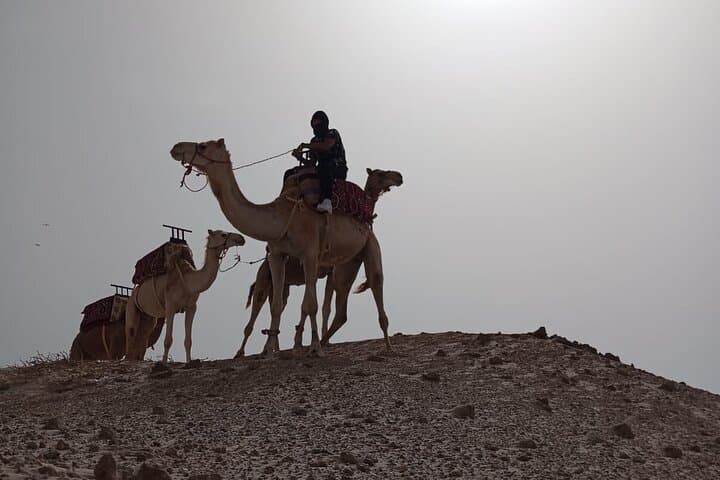
On a one-hour camel circuit you cross undulating dunes, trace the wet-sand line, and pass pockets of vegetation where goats browse and seabirds hunt the tidal pools. Guides commonly pause for photos, explain local flora such as the argan and eucalyptus, and serve a short rest with Moroccan mint tea.
Practical notes: rides are low-impact but bring sun protection and a wind layer — Atlantic breezes pick up quickly. Cameras with wrist straps are smart; camel saddles are steady but sudden motions can jolt the spine. If you’re staying in Essaouira, plan this in the late afternoon for cooler temperatures and richer light. Respect fenced dune restoration areas and local cooperatives — tipping guides and buying local argan products supports the communities you pass through.
easy.
1 hour.
Suitable for most fitness levels; involves mounting and dismounting a camel and sitting for ~45–60 minutes.
The guided activity runs about 60 minutes, with time for brief photo stops and a short refreshment break.
Yes — infants may sit on an adult’s lap; operators note it’s stroller-accessible but children should be supervised during mounting.
No experience required; the ride is paced for comfort and guides handle the camels.
Pick-up is offered as part of the tour; confirm pickup point when booking and allow for local traffic timing.
Essaouira (historically Mogador) was developed as an 18th-century fortified port with European influence and long-standing trade links across the Atlantic.
Dunes and argan groves are sensitive; stick to designated paths, avoid disturbing restoration areas, and support sustainable argan cooperatives.
Go Booking Tours operates guided outdoor trips and adventures with an emphasis on safety, stewardship, and memorable experiences.
The sun lowers toward the Atlantic and the beach becomes a wide, cool plain. You climb into a saddle at the edge of town, the camel rises with a slow, deliberate heave, and the coastline unfurls: wind-carved dunes, a band of eucalyptus and argan trees, and the shuttered blue of fishing boats in the distance.
The sun lowers toward the Atlantic and the beach becomes a wide, cool plain. You climb into a saddle at the edge of town, the camel rises with a slow, deliberate heave, and the coastline unfurls: wind-carved dunes, a band of eucalyptus and argan trees, and the shuttered blue of fishing boats in the distance.
Essaouira's shoreline is both coastal and Saharan in temperament — sand that drifts inland, rock outcrops that remember Portuguese and Moroccan hands, and argan groves that define the region's ecology. The town, once called Mogador, was refashioned in the 18th century as a fortified port, and that layered history sits close to the shore: crumbling ramparts, a working fishing port, and small cooperatives producing argan oil.
On a one-hour camel circuit you cross undulating dunes, trace the wet-sand line, and pass pockets of vegetation where goats browse and seabirds hunt the tidal pools. Guides commonly pause for photos, explain local flora such as the argan and eucalyptus, and serve a short rest with Moroccan mint tea.
Practical notes: rides are low-impact but bring sun protection and a wind layer — Atlantic breezes pick up quickly. Cameras with wrist straps are smart; camel saddles are steady but sudden motions can jolt the spine. If you’re staying in Essaouira, plan this in the late afternoon for cooler temperatures and richer light. Respect fenced dune restoration areas and local cooperatives — tipping guides and buying local argan products supports the communities you pass through.