THE ADVENTURE COLLECTIVE® · Independent discovery and booking for outdoor travel

Ride the Atlantic edge of Essaouira by camel or quad and pass a 15th-century Portuguese fort and the bird-rich Oued Ksob estuary. This 1–3 hour outing includes pickup, bottled water and traditional outfits for photos.
Ride the Atlantic edge of Essaouira by camel or quad and pass a 15th-century Portuguese fort and the bird-rich Oued Ksob estuary. This 1–3 hour outing includes pickup, bottled water and traditional outfits for photos.
The wind off the Atlantic cuts across low dunes as riders assemble near Essaouira’s old ramparts. Whether on camelback or astride a quad, the route pushes along hard-packed sand toward the river mouth at Oued Ksob, where salt air, surf and bird calls make every mile feel purposeful.
Verified experiences and guided adventures in the surrounding area.
Operated by Diana Dromadaires · Essaouira, Marrakesh-Safi
The wind off the Atlantic cuts across low dunes as riders assemble near Essaouira’s old ramparts. Whether on camelback or astride a quad, the route pushes along hard-packed sand toward the river mouth at Oued Ksob, where salt air, surf and bird calls make every mile feel purposeful.
Essaouira’s stone fortifications date to the 15th century, a Portuguese outpost that marks the city’s long history as a trading port between inland Morocco and the sea. Geologically the coast is defined by wind-swept dunes, broad beaches and the estuary flat where tidal flows create mudflats favored by waders. The local culture mixes Amazigh and coastal fishing traditions; guides often wear the roomy chiche or deraâ described by hosts as both traditional and comfortable.
Expect a 1–3 hour outing with hotel pickup in an air-conditioned vehicle and bilingual guidance. Camels offer a slower, steadier perspective: rhythmic, tolerant and forgiving of casual photographers. Quads push the experience toward an active, gritty pace—bring basic ATV confidence and follow the guide on permitted tracks.
Practical points: sun and wind are constant companions—bring layers, a hat and secure footwear. Stay on designated paths near the estuary to avoid disturbing nesting birds such as flamingos and avocets. Riders with back, heart or pregnancy concerns should choose not to participate; infants typically must sit on laps. The trip balances cultural snapshots, wildlife watching and hands-on coastal travel—accessible, scenic and grounded in local landscape and history.
easy.
1–3 hours.
Suitable for most fitness levels; basic balance and ability to mount a camel or manage short ATV rides recommended
Yes—this tour includes pickup and drop-off by air-conditioned vehicle from central Essaouira locations; confirm your pickup point when booking.
Options are booked as specific experiences; ask the operator before departure if a mixed itinerary is available, but typically you select one mode per booking.
Infants generally must sit on an adult’s lap; the provider advises against participation for guests with serious back, heart conditions or pregnancy.
Yes—the estuary supports species such as pink flamingos and elegant avocets, especially at low tide and during migratory periods; bring a zoom lens or binoculars.
Essaouira’s coastal ramparts were fortified in the 15th century under Portuguese influence; the port later connected inland trade routes with Atlantic shipping.
Stick to marked paths around dunes and the estuary to protect fragile mudflats and nesting birds; avoid leaving plastics and follow guide directions.
Diana Dromadaires operates guided outdoor trips and adventures with an emphasis on safety, stewardship, and memorable experiences.
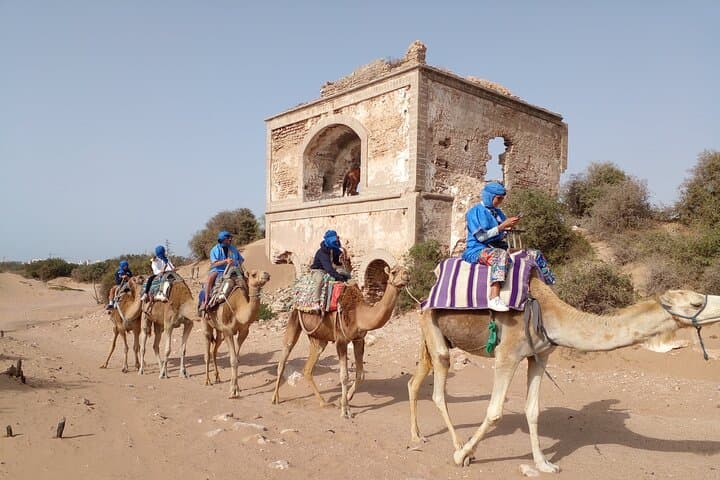
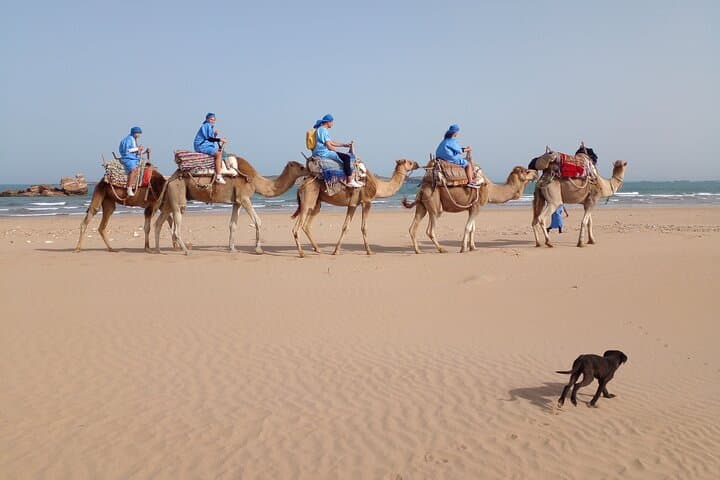
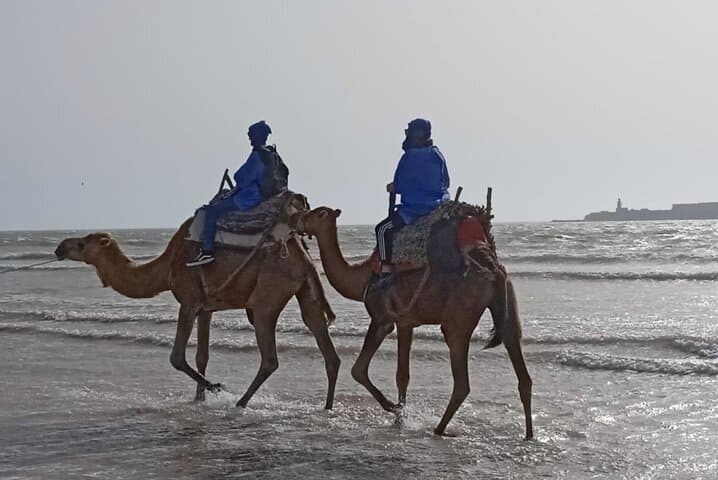
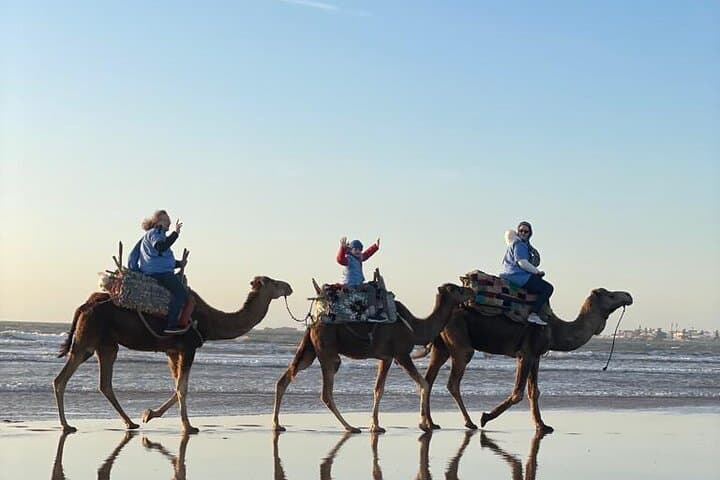
The wind off the Atlantic cuts across low dunes as riders assemble near Essaouira’s old ramparts. Whether on camelback or astride a quad, the route pushes along hard-packed sand toward the river mouth at Oued Ksob, where salt air, surf and bird calls make every mile feel purposeful.
The wind off the Atlantic cuts across low dunes as riders assemble near Essaouira’s old ramparts. Whether on camelback or astride a quad, the route pushes along hard-packed sand toward the river mouth at Oued Ksob, where salt air, surf and bird calls make every mile feel purposeful.
Essaouira’s stone fortifications date to the 15th century, a Portuguese outpost that marks the city’s long history as a trading port between inland Morocco and the sea. Geologically the coast is defined by wind-swept dunes, broad beaches and the estuary flat where tidal flows create mudflats favored by waders. The local culture mixes Amazigh and coastal fishing traditions; guides often wear the roomy chiche or deraâ described by hosts as both traditional and comfortable.
Expect a 1–3 hour outing with hotel pickup in an air-conditioned vehicle and bilingual guidance. Camels offer a slower, steadier perspective: rhythmic, tolerant and forgiving of casual photographers. Quads push the experience toward an active, gritty pace—bring basic ATV confidence and follow the guide on permitted tracks.
Practical points: sun and wind are constant companions—bring layers, a hat and secure footwear. Stay on designated paths near the estuary to avoid disturbing nesting birds such as flamingos and avocets. Riders with back, heart or pregnancy concerns should choose not to participate; infants typically must sit on laps. The trip balances cultural snapshots, wildlife watching and hands-on coastal travel—accessible, scenic and grounded in local landscape and history.