THE ADVENTURE COLLECTIVE® · Independent discovery and booking for outdoor travel

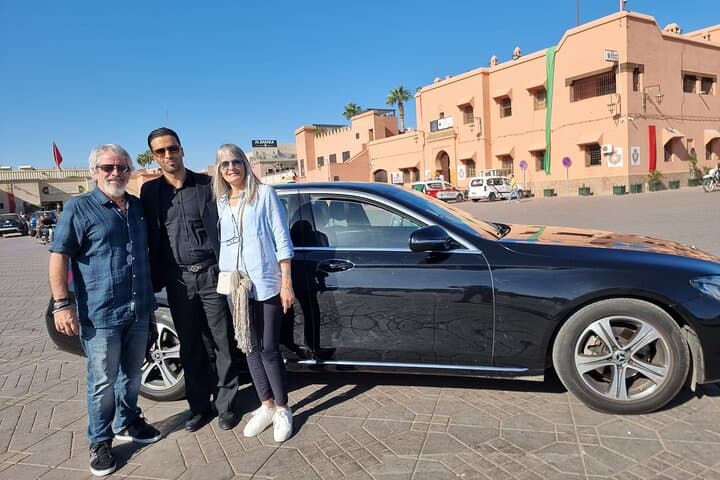
Trade Marrakech’s heat for a cool Atlantic breeze on a private full‑day luxury transfer to Essaouira. Visit an argan cooperative, explore the UNESCO medina, watch fishermen at the port and spend time on a wind‑sculpted beach.
Trade Marrakech’s heat for a cool Atlantic breeze on a private full‑day luxury transfer to Essaouira. Visit an argan cooperative, explore the UNESCO medina, watch fishermen at the port and spend time on a wind‑sculpted beach.
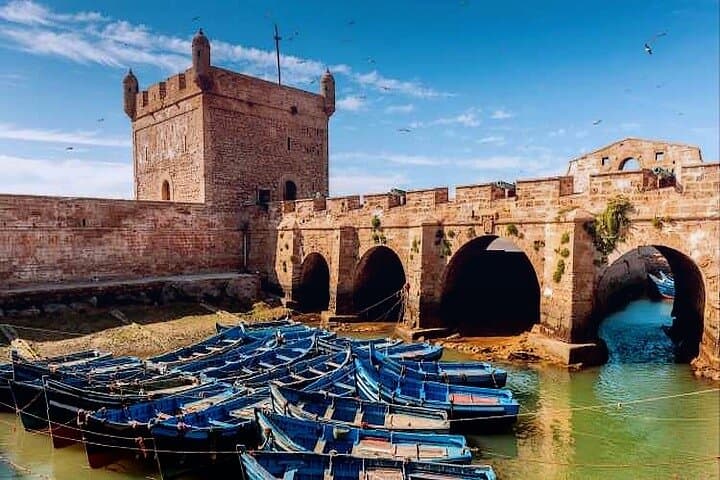
A salted wind cuts across the van window as the Atlas foothills fall away and the landscape opens to scrub, argan groves and the long blue ribbon of the Atlantic. By mid-morning the Portuguese ramparts of Essaouira appear — low, weathered limestone and ochre masonry with cannons still aimed at the sea — and the city’s broad beach stretches beneath a steady breeze.
Verified experiences and guided adventures in the surrounding area.
Operated by Comfort Travel Morocco Private Tours · Essaouira, Marrakech-Safi
A salted wind cuts across the van window as the Atlas foothills fall away and the landscape opens to scrub, argan groves and the long blue ribbon of the Atlantic. By mid-morning the Portuguese ramparts of Essaouira appear — low, weathered limestone and ochre masonry with cannons still aimed at the sea — and the city’s broad beach stretches beneath a steady breeze.
Essaouira (formerly Mogador) has a layered history: Phoenician and Roman trade, a 16th-century Portuguese fortress, and a 19th‑century port that briefly hosted both European and Jewish merchant communities. The geology on the coast is primarily Mesozoic limestone and coastal sands, sculpted into dunes and cliffs by constant winds; that wind is why the town calls itself “the Wind City” and why it’s a longtime surf and kitesurf destination.
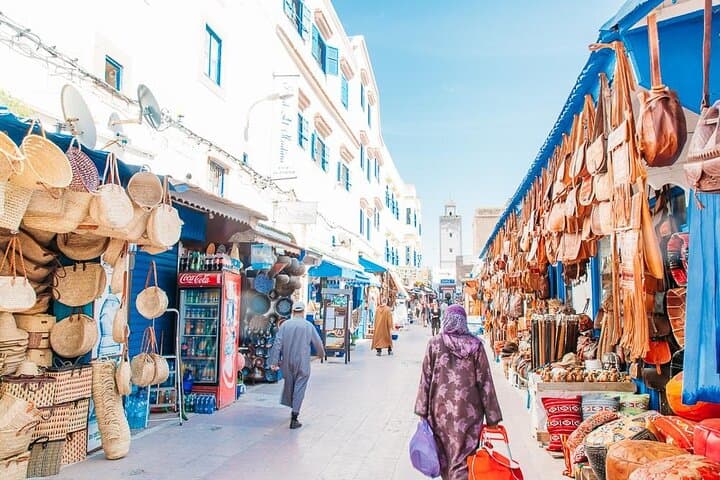
Culturally the medina retains blue‑and‑white façades, narrow streets threaded with artisan workshops and a working fishing harbor where fresh catch is hauled daily. The local economy combines argan cooperatives, seafood trade, and a lively arts scene driven by galleries and the annual Gnaoua music festival.
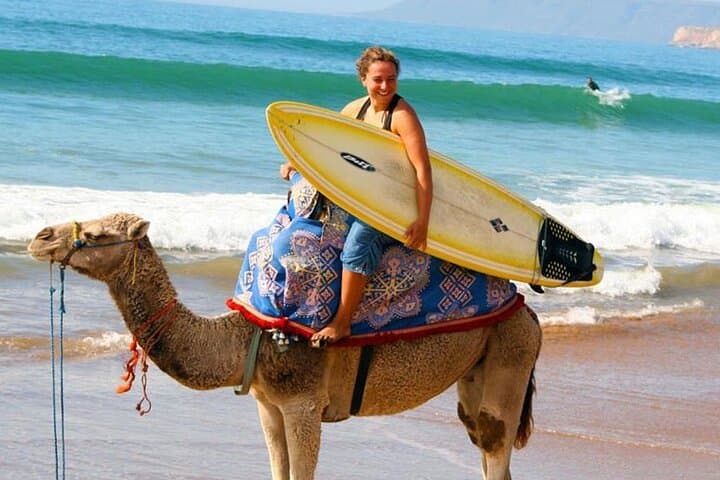
Practical guidance: this private full-day trip is an all-day outing (about 11 hours door-to-door from Marrakech). Expect stopovers at a women’s argan cooperative, a guided walk through the UNESCO-listed medina and time at the beach for photos or a surf taster. Comfortable layers for wind and sun protection, sturdy walking shoes for cobbled streets, and cash for market purchases will improve the day. The drive includes rural scenery and brief stops to see argan trees with goats; bring a reusable water bottle and allow the driver/guide latitude — itineraries are often tailored to weather and local rhythms.
easy.
11 hours.
Suitable for travelers in general good health who can walk short distances on cobbles and stand for tours
The drive is approximately 2.5 to 3 hours each way depending on traffic and stops; expect a full‑day itinerary of about 11 hours.
Yes — the schedule typically includes beach time; swimming is possible but expect cool Atlantic water and strong winds; beginner surf lessons may be available locally.
Yes, most private tours stop at a women’s argan cooperative where you can see traditional extraction methods and buy products.
The medina has narrow, uneven streets but many tours note stroller accessibility for infants; expect crowds and cobbles that can be challenging in some sections.
Essaouira’s fortified medina was redesigned in the 18th century as a planned port and later hosted diverse merchant communities, including a significant Jewish population in the 19th century.
Argan cooperatives are central to local conservation and sustainable harvests; visitors are encouraged to buy directly from cooperatives and avoid disturbing dune habitats.
Comfort Travel Morocco Private Tours operates guided outdoor trips and adventures with an emphasis on safety, stewardship, and memorable experiences.
A salted wind cuts across the van window as the Atlas foothills fall away and the landscape opens to scrub, argan groves and the long blue ribbon of the Atlantic. By mid-morning the Portuguese ramparts of Essaouira appear — low, weathered limestone and ochre masonry with cannons still aimed at the sea — and the city’s broad beach stretches beneath a steady breeze.
A salted wind cuts across the van window as the Atlas foothills fall away and the landscape opens to scrub, argan groves and the long blue ribbon of the Atlantic. By mid-morning the Portuguese ramparts of Essaouira appear — low, weathered limestone and ochre masonry with cannons still aimed at the sea — and the city’s broad beach stretches beneath a steady breeze.
Essaouira (formerly Mogador) has a layered history: Phoenician and Roman trade, a 16th-century Portuguese fortress, and a 19th‑century port that briefly hosted both European and Jewish merchant communities. The geology on the coast is primarily Mesozoic limestone and coastal sands, sculpted into dunes and cliffs by constant winds; that wind is why the town calls itself “the Wind City” and why it’s a longtime surf and kitesurf destination.
Culturally the medina retains blue‑and‑white façades, narrow streets threaded with artisan workshops and a working fishing harbor where fresh catch is hauled daily. The local economy combines argan cooperatives, seafood trade, and a lively arts scene driven by galleries and the annual Gnaoua music festival.
Practical guidance: this private full-day trip is an all-day outing (about 11 hours door-to-door from Marrakech). Expect stopovers at a women’s argan cooperative, a guided walk through the UNESCO-listed medina and time at the beach for photos or a surf taster. Comfortable layers for wind and sun protection, sturdy walking shoes for cobbled streets, and cash for market purchases will improve the day. The drive includes rural scenery and brief stops to see argan trees with goats; bring a reusable water bottle and allow the driver/guide latitude — itineraries are often tailored to weather and local rhythms.