THE ADVENTURE COLLECTIVE® · Independent discovery and booking for outdoor travel

Spend four hours birding a private 133.5‑acre reserve at the base of the Talamanca Range. This fully customizable, private tour in the Quepos/Manuel Antonio area pairs expert local guides with feeders and forest trails to find endemic and rare tropical species.
Spend four hours birding a private 133.5‑acre reserve at the base of the Talamanca Range. This fully customizable, private tour in the Quepos/Manuel Antonio area pairs expert local guides with feeders and forest trails to find endemic and rare tropical species.
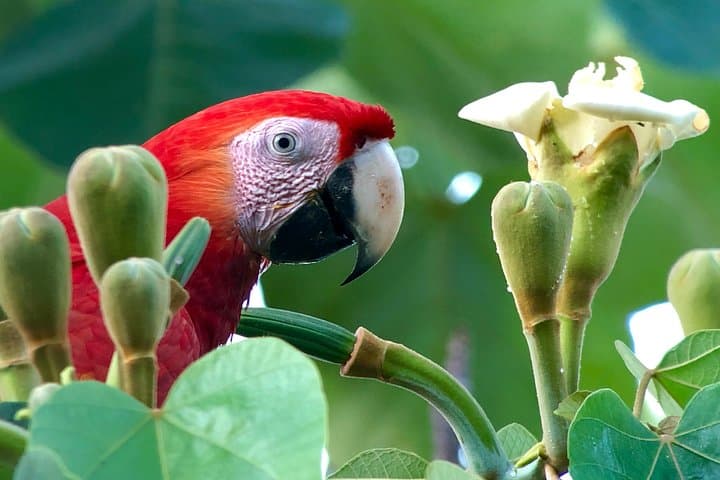
Morning light filters through broad-leaf trees as if someone has tuned the forest for color; tanagers and hummingbirds move like punctuation between shafts of sun. At Esquipulas Rainforest, a 133.5‑acre private reserve at the base of Costa Rica’s Talamanca Range, the day begins with coffee, feeders humming with activity, and a bilingual guide fine-tuning your route to the species you most want to see.
Verified experiences and guided adventures in the surrounding area.
Operated by Manuel's Tours, Costa Rica. · Quepos, Puntarenas
Morning light filters through broad-leaf trees as if someone has tuned the forest for color; tanagers and hummingbirds move like punctuation between shafts of sun. At Esquipulas Rainforest, a 133.5‑acre private reserve at the base of Costa Rica’s Talamanca Range, the day begins with coffee, feeders humming with activity, and a bilingual guide fine-tuning your route to the species you most want to see.
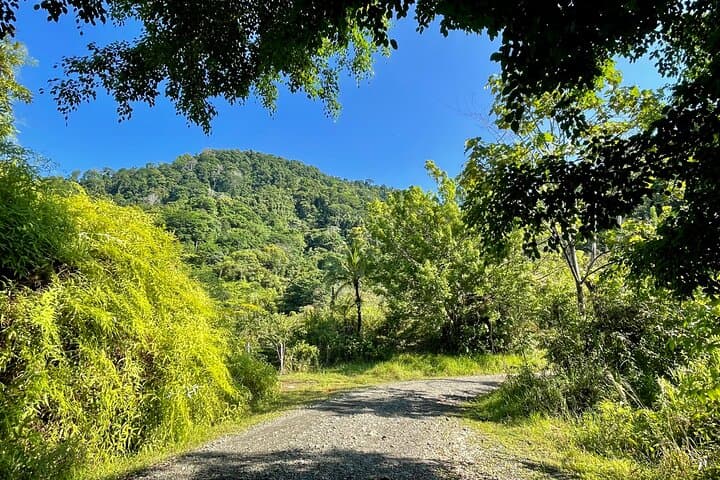
The land here sits where lowland forest meets mountain foothills — soils washed down from the Talamancas, vines and epiphytes clinging to mature trees, and scattered coffee plots marking a long history of small‑scale agriculture and conservation. Local culture leans on birding and eco‑tourism; many guides are certified by the national tourism institute and combine natural history with identification tips that sharpen both novice and advanced eyes.
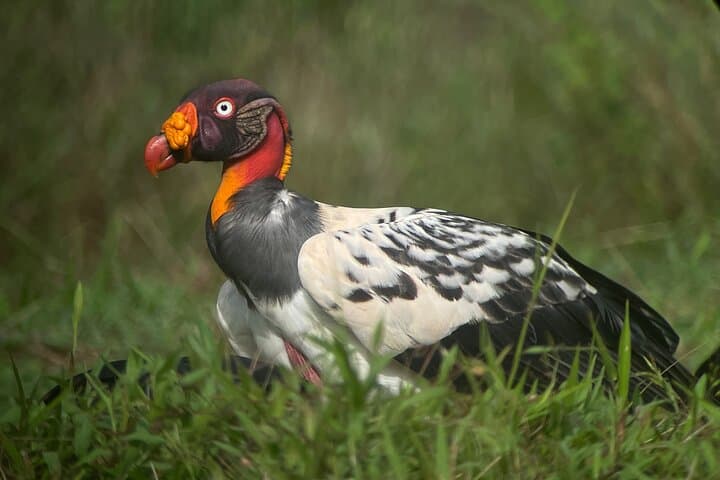
Expect turquoise cotingas and fiery‑billed araçaris one minute, secretive trogons and the flashier red‑capped manakin the next. King vultures and hawk‑eagles occasionally cruise overhead; at dusk, a common potto may appear. Trails and feeders concentrate sightings, and guides adjust pace for photography, life‑lists, or targeted searches.
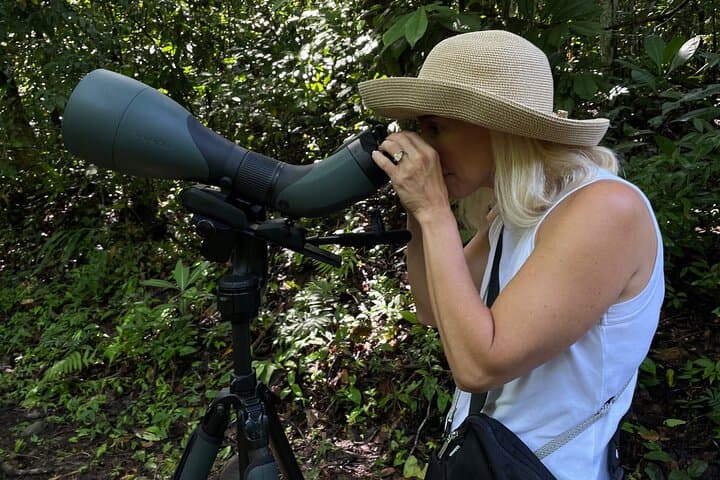
Practical notes: the tour runs four hours with hotel pickup from Quepos/Manuel Antonio, includes breakfast and a one‑day reserve pass, and is private and customizable. Wear muted clothes, closed‑toe shoes, and bring rain protection for camera gear during the wet season (May–Dec). Hydrate, keep noise low, and have binoculars or request the operator’s Swarovski optics for best views. With a moderate fitness level and patience, this trip rewards you with vivid, close encounters and a clear sense of Costa Rica’s rich avifauna.
moderate.
4 hours.
Moderate fitness recommended — short uneven trails and multiple stops require balance and light walking stamina
Yes — guides tailor the tour to all experience levels, from first‑time birders seeking iconic species to experienced ornithologists pursuing lifers.
Common sightings include turquoise cotinga, fiery‑billed araçari, white‑crested coquette, Baird’s trogon, and red‑capped manakin; raptors like king vulture are occasional.
You can bring your own for convenience; high‑quality optics may also be available from the operator (Swarovski viewing offered as an inclusion).
Trails can be muddy and slippery from May through December; appropriate footwear and rain protection are recommended and provided guidance will avoid the worst sections.
The reserve sits on farmland and forest at the Talamanca foothills where smallhold coffee cultivation and forest protection have long shaped the local landscape.
Private reserves like Esquipulas play a key role protecting habitat fragments and connecting corridors for migratory and endemic birds; low‑impact tourism supports local stewardship.
Manuel's Tours, Costa Rica. operates guided outdoor trips and adventures with an emphasis on safety, stewardship, and memorable experiences.
Morning light filters through broad-leaf trees as if someone has tuned the forest for color; tanagers and hummingbirds move like punctuation between shafts of sun. At Esquipulas Rainforest, a 133.5‑acre private reserve at the base of Costa Rica’s Talamanca Range, the day begins with coffee, feeders humming with activity, and a bilingual guide fine-tuning your route to the species you most want to see.
Morning light filters through broad-leaf trees as if someone has tuned the forest for color; tanagers and hummingbirds move like punctuation between shafts of sun. At Esquipulas Rainforest, a 133.5‑acre private reserve at the base of Costa Rica’s Talamanca Range, the day begins with coffee, feeders humming with activity, and a bilingual guide fine-tuning your route to the species you most want to see.
The land here sits where lowland forest meets mountain foothills — soils washed down from the Talamancas, vines and epiphytes clinging to mature trees, and scattered coffee plots marking a long history of small‑scale agriculture and conservation. Local culture leans on birding and eco‑tourism; many guides are certified by the national tourism institute and combine natural history with identification tips that sharpen both novice and advanced eyes.
Expect turquoise cotingas and fiery‑billed araçaris one minute, secretive trogons and the flashier red‑capped manakin the next. King vultures and hawk‑eagles occasionally cruise overhead; at dusk, a common potto may appear. Trails and feeders concentrate sightings, and guides adjust pace for photography, life‑lists, or targeted searches.
Practical notes: the tour runs four hours with hotel pickup from Quepos/Manuel Antonio, includes breakfast and a one‑day reserve pass, and is private and customizable. Wear muted clothes, closed‑toe shoes, and bring rain protection for camera gear during the wet season (May–Dec). Hydrate, keep noise low, and have binoculars or request the operator’s Swarovski optics for best views. With a moderate fitness level and patience, this trip rewards you with vivid, close encounters and a clear sense of Costa Rica’s rich avifauna.