THE ADVENTURE COLLECTIVE® · Independent discovery and booking for outdoor travel

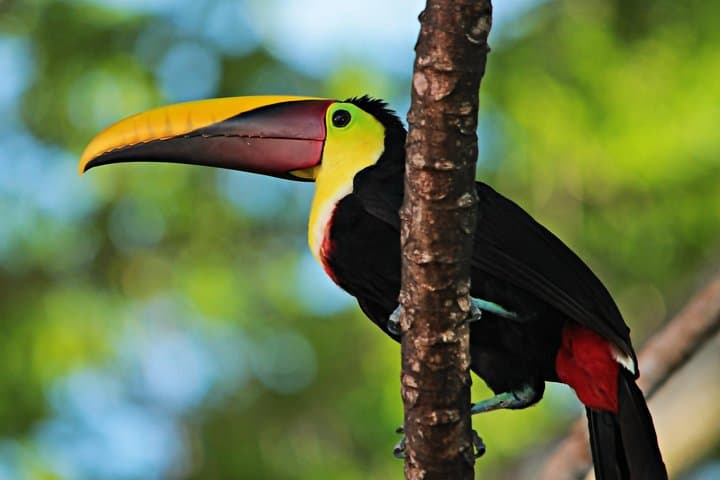
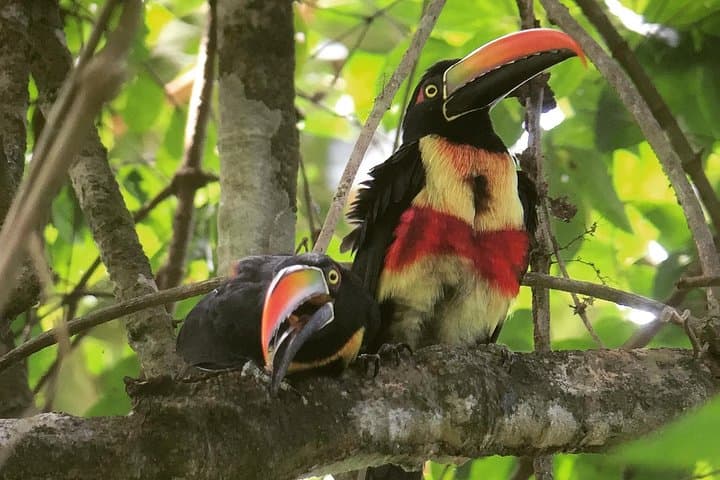
Witness canopy-topping toucans and colorful tanagers on a two-hour guided tour near Manuel Antonio. Morning and late-afternoon departures focus on peak bird activity and use local expertise to locate both common and secretive species.
Witness canopy-topping toucans and colorful tanagers on a two-hour guided tour near Manuel Antonio. Morning and late-afternoon departures focus on peak bird activity and use local expertise to locate both common and secretive species.
Dawn lifts over humid forest and the first trills cut the stillness—sharp, insistent, impossible to ignore. On the Esquipulas Bird-Watching Tour, guides steer you to the edges of primary and secondary rainforest where understory and canopy both come alive, and birds call the group forward as if pointing out the next surprise.
Verified experiences and guided adventures in the surrounding area.
Operated by Travel Costa Rica Tours · Manuel Antonio, Puntarenas
Dawn lifts over humid forest and the first trills cut the stillness—sharp, insistent, impossible to ignore. On the Esquipulas Bird-Watching Tour, guides steer you to the edges of primary and secondary rainforest where understory and canopy both come alive, and birds call the group forward as if pointing out the next surprise.
The coastal rainforests around Manuel Antonio grew on volcanic soils and marine terraces, creating pockets of rich habitat for resident and migratory species. Indigenous groups once moved seasonally through these lowlands; today small fishing towns and shaded cacao plots butt up against protected forest patches, giving the area a layered human history you’ll hear about from local guides.
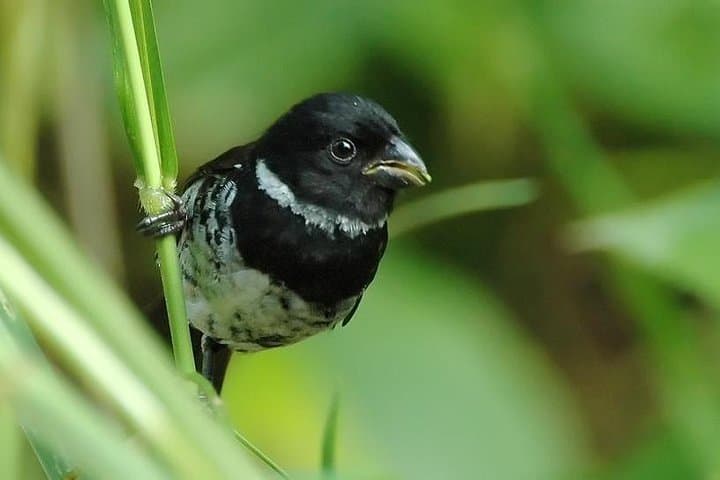
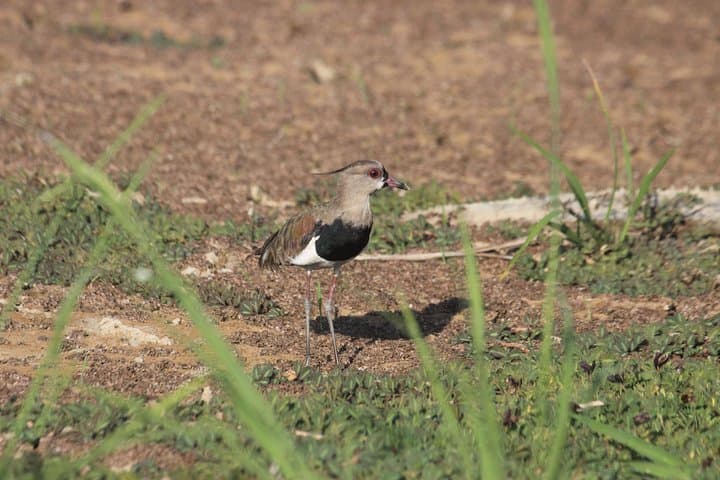
Expect mixed-species flocks, tanagers flashing color, and the slow, deliberate presence of toucans and woodpeckers. Guides use spotting scopes and local knowledge to find skulking understory species and bedside-the-road dry-season feeders.
Practically speaking: tours run at sunrise or before sunset for peak activity, last about two hours, and often include short, flat walking sections with occasional muddy or rooty ground. Wear grippy shoes, bring a lightweight rain layer and insect repellent, and keep camera lenses ready; silence and slow movement pay greater dividends than speed.
The experience balances scientific curiosity and relaxed observation—plan for early pickup from Quepos or Manuel Antonio, allow time for travel on narrow coastal roads, and respect nesting birds by following guide instructions. It’s an accessible, concentrated way to read Costa Rica’s living birdbook in the wild.
easy.
2 hours.
Suitable for all fitness levels; participants should be able to walk short, uneven forest trails and stand quietly for observation.
A minimum of two people is required; single travelers may be charged a higher rate if a private spot is needed.
Yes—this tour is listed as suitable for all fitness levels; children should be able to stay quiet and follow the guide on short walks.
Guides typically bring a spotting scope and binoculars, but bringing your own optics improves your chance of consistent views.
Tours can be canceled for heavy rain; providers usually allow full refunds if canceled at least 24 hours in advance.
The lowland Pacific forests near Manuel Antonio were historically used by indigenous coastal communities and later saw small-scale agriculture and fishing that shaped current land use patterns.
High tourist demand puts pressure on habitat; stick to trails, avoid disturbing nests, and support operators who follow leave-no-trace practices.
Travel Costa Rica Tours operates guided outdoor trips and adventures with an emphasis on safety, stewardship, and memorable experiences.
Dawn lifts over humid forest and the first trills cut the stillness—sharp, insistent, impossible to ignore. On the Esquipulas Bird-Watching Tour, guides steer you to the edges of primary and secondary rainforest where understory and canopy both come alive, and birds call the group forward as if pointing out the next surprise.
Dawn lifts over humid forest and the first trills cut the stillness—sharp, insistent, impossible to ignore. On the Esquipulas Bird-Watching Tour, guides steer you to the edges of primary and secondary rainforest where understory and canopy both come alive, and birds call the group forward as if pointing out the next surprise.
The coastal rainforests around Manuel Antonio grew on volcanic soils and marine terraces, creating pockets of rich habitat for resident and migratory species. Indigenous groups once moved seasonally through these lowlands; today small fishing towns and shaded cacao plots butt up against protected forest patches, giving the area a layered human history you’ll hear about from local guides.
Expect mixed-species flocks, tanagers flashing color, and the slow, deliberate presence of toucans and woodpeckers. Guides use spotting scopes and local knowledge to find skulking understory species and bedside-the-road dry-season feeders.
Practically speaking: tours run at sunrise or before sunset for peak activity, last about two hours, and often include short, flat walking sections with occasional muddy or rooty ground. Wear grippy shoes, bring a lightweight rain layer and insect repellent, and keep camera lenses ready; silence and slow movement pay greater dividends than speed.
The experience balances scientific curiosity and relaxed observation—plan for early pickup from Quepos or Manuel Antonio, allow time for travel on narrow coastal roads, and respect nesting birds by following guide instructions. It’s an accessible, concentrated way to read Costa Rica’s living birdbook in the wild.