THE ADVENTURE COLLECTIVE® · Independent discovery and booking for outdoor travel

Spend two hours under some of Australia’s darkest southern skies at Observatory Beach. Ningaloo Stars combines laser-guided tours, premium telescopes, and Indigenous sky stories for an accessible, family-friendly stargazing experience.
Spend two hours under some of Australia’s darkest southern skies at Observatory Beach. Ningaloo Stars combines laser-guided tours, premium telescopes, and Indigenous sky stories for an accessible, family-friendly stargazing experience.
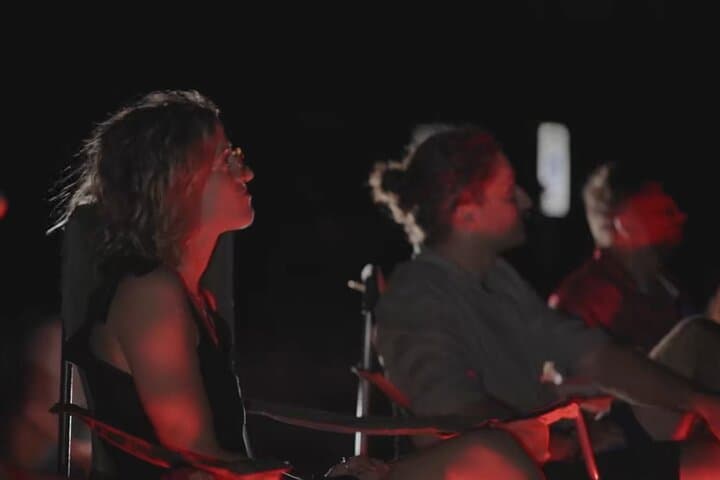
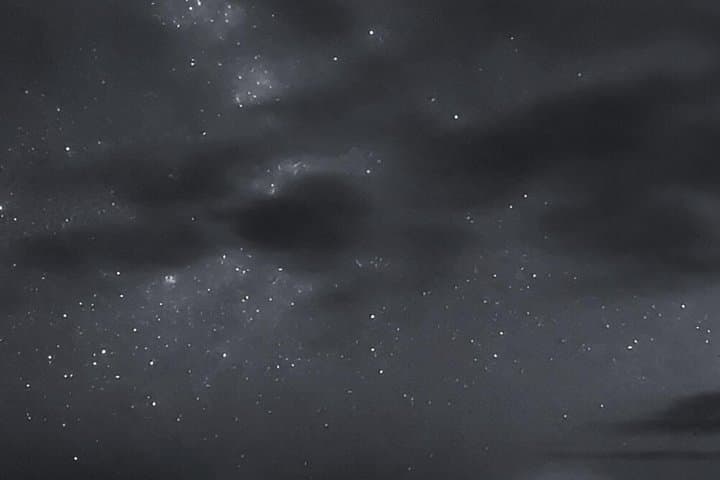
A salt-scented breeze carries the first notes of evening as you gather at Observatory Beach Car Park, the Atlantic surf muting behind dunes while the southern sky sharpens into ink. Guides from Ningaloo Stars lay out blankets and point a thin green laser upward; constellations begin to take position like actors stepping onto a stage.
Verified experiences and guided adventures in the surrounding area.
Operated by Ningaloo Stars · Esperance, Western Australia
A salt-scented breeze carries the first notes of evening as you gather at Observatory Beach Car Park, the Atlantic surf muting behind dunes while the southern sky sharpens into ink. Guides from Ningaloo Stars lay out blankets and point a thin green laser upward; constellations begin to take position like actors stepping onto a stage.
The coastline here is younger by geological standards—coastal granite outcrops and sandplain heath shaped by waves and wind—and that stark seaside horizon helps keep light pollution to a minimum. The Noongar people of south‑west Western Australia have long read these skies; on a Ningaloo Stars night you’ll hear seasonal cultural stories side by side with modern astronomy, linking star lore to navigation, timekeeping, and local life.
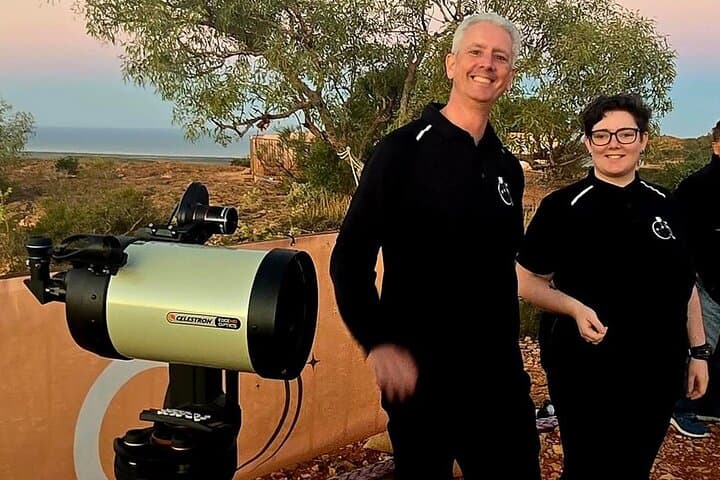
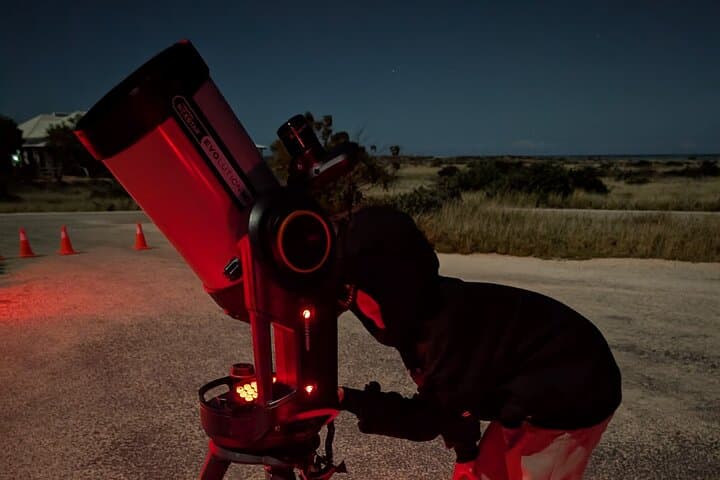
The program blends a laser‑guided sky tour with hands‑on viewing through premium telescopes: planets, star clusters, and nebulae that the naked eye can only whisper about. Nights are family‑friendly and accessible—guides design explanations for novices while offering deeper context for enthusiasts.
Practicalities matter: sessions run about two hours and operate in summer months (December–February) when Southern Hemisphere targets are optimal. Dress for coastal cold after sunset—layers and a windproof outer layer are essential. Bring a red‑light torch, a camera with manual settings if you want long exposures, and allow extra time to orient yourself at the car park. Check weather and cancellation policies; heavy cloud or rain cancels for visibility reasons.
This is an easy, low‑impact outing that rewards patience and clear skies: a grounded way to read the southern heavens with quality optics and thoughtful local storytelling.
easy.
2 hours.
Suitable for all fitness levels; requires short walk from car park to viewing area and ability to sit or stand for the duration.
Yes—events are family‑friendly; strollers are allowed and sessions are designed for all ages with approachable explanations.
The tour is cancelled in cloudy, rainy, or high‑wind conditions for safety and visibility; check the operator’s cancellation notice for refunds if cancelled at least 24 hours ahead.
Yes—Observatory Beach Car Park and the designated viewing areas are described as wheelchair accessible; contact the operator ahead for specific assistance needs.
Yes—guides operate premium telescopes and typically allow participants to look through them, with guidance to locate planets, clusters, and nebulae.
The coastal Esperance region is part of the Noongar cultural area; Indigenous sky stories and seasonal calendars continue to inform local perspectives on the night sky.
Minimal light pollution is a key reason this location works—visitors are encouraged to use low‑impact lighting, pack out waste, and respect dune vegetation to protect habitat and dark skies.
Ningaloo Stars operates guided outdoor trips and adventures with an emphasis on safety, stewardship, and memorable experiences.
A salt-scented breeze carries the first notes of evening as you gather at Observatory Beach Car Park, the Atlantic surf muting behind dunes while the southern sky sharpens into ink. Guides from Ningaloo Stars lay out blankets and point a thin green laser upward; constellations begin to take position like actors stepping onto a stage.
A salt-scented breeze carries the first notes of evening as you gather at Observatory Beach Car Park, the Atlantic surf muting behind dunes while the southern sky sharpens into ink. Guides from Ningaloo Stars lay out blankets and point a thin green laser upward; constellations begin to take position like actors stepping onto a stage.
The coastline here is younger by geological standards—coastal granite outcrops and sandplain heath shaped by waves and wind—and that stark seaside horizon helps keep light pollution to a minimum. The Noongar people of south‑west Western Australia have long read these skies; on a Ningaloo Stars night you’ll hear seasonal cultural stories side by side with modern astronomy, linking star lore to navigation, timekeeping, and local life.
The program blends a laser‑guided sky tour with hands‑on viewing through premium telescopes: planets, star clusters, and nebulae that the naked eye can only whisper about. Nights are family‑friendly and accessible—guides design explanations for novices while offering deeper context for enthusiasts.
Practicalities matter: sessions run about two hours and operate in summer months (December–February) when Southern Hemisphere targets are optimal. Dress for coastal cold after sunset—layers and a windproof outer layer are essential. Bring a red‑light torch, a camera with manual settings if you want long exposures, and allow extra time to orient yourself at the car park. Check weather and cancellation policies; heavy cloud or rain cancels for visibility reasons.
This is an easy, low‑impact outing that rewards patience and clear skies: a grounded way to read the southern heavens with quality optics and thoughtful local storytelling.