THE ADVENTURE COLLECTIVE® · Independent discovery and booking for outdoor travel

A three-hour private walk through Espelette’s lanes and pepper-drying racks, blending Basque food culture with gentle country roads. Taste the signature piment d'Espelette and explore village life just inland from Biarritz.
A three-hour private walk through Espelette’s lanes and pepper-drying racks, blending Basque food culture with gentle country roads. Taste the signature piment d'Espelette and explore village life just inland from Biarritz.
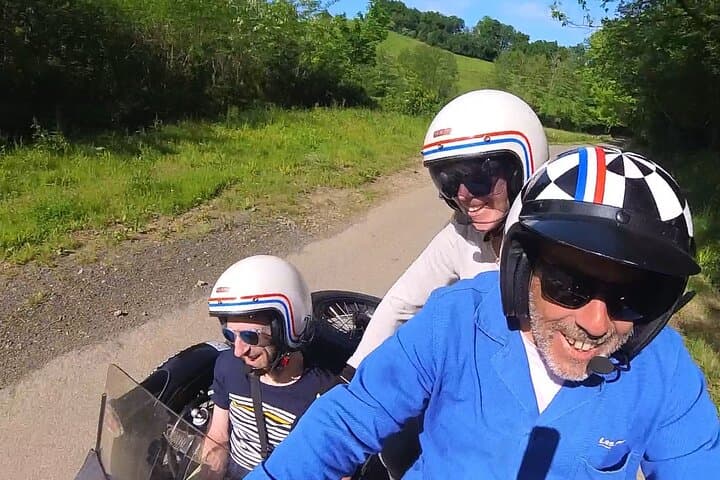
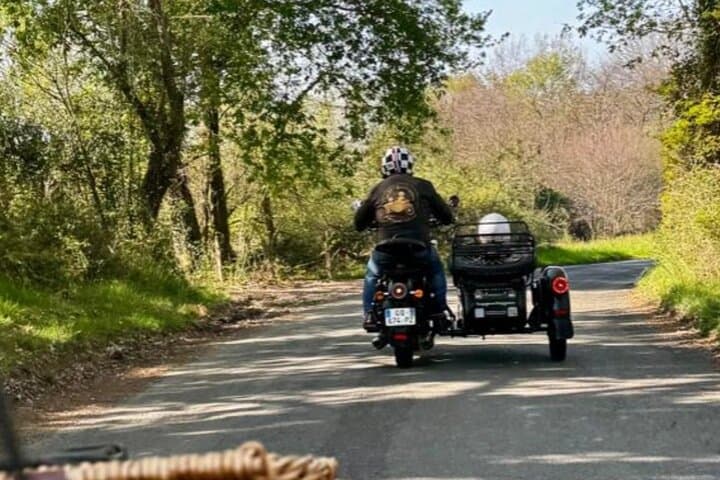
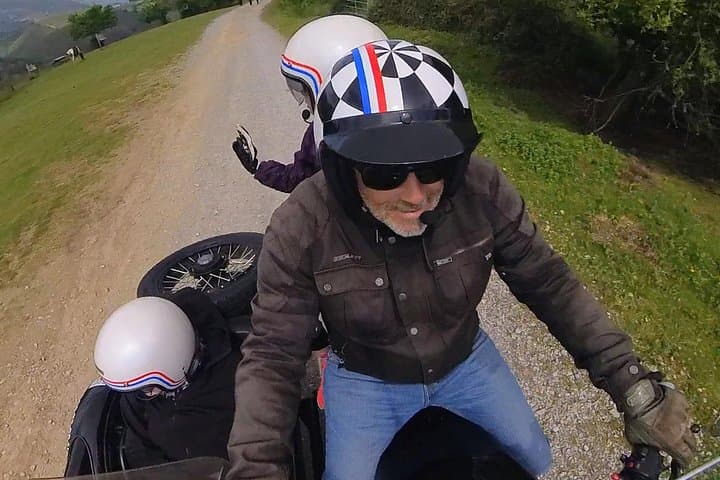
The morning air carries a faint, smoky spice as you roll into the foothills of the Rhune and step onto narrow country lanes lined with low stone walls and plastered Basque houses.
Verified experiences and guided adventures in the surrounding area.
Operated by Les PP Bourlingueurs · Espelette, Pyrénées-Atlantiques
The morning air carries a faint, smoky spice as you roll into the foothills of the Rhune and step onto narrow country lanes lined with low stone walls and plastered Basque houses.
This three-hour private walk unfolds like a local's kitchen: peppers dangling from eaves, a café in the village square, and small fields that have adopted a New World crop as a Basque signature. The landscape is modest—gently rolling pasture and hedgerows—but alive: currents of wind that insist you pause, sunlight that pushes red chilies into sharp relief.
Espelette's pepper arrived from the Americas centuries ago and became integral to Basque cuisine and identity; it earned AOP protection in recent decades. Geologically the area is defined by the low Pyrenean foothills—soft granitic and schistose soils that drain well and give the pepper a focused heat rather than bitterness. Cultural life here is agricultural and communal, with small producers and village markets shaping daily rhythms.
On the walk expect pedestrian streets, short photo stops by drying racks, and a refreshment in the village square. The pace is easy but bring practical footwear for compacted dirt and cobbles. Hydrate before you arrive, respect drying peppers and private plots, and use the intercom-equipped helmets and rain gear provided if your tour includes a short transfer on two wheels. Morning light is best for photography and market browsing; mid-afternoon sees locals closing shutters. This is an immersive, hands-on taste of Basque terroir—culinary history on a human scale with straightforward logistics for curious travelers.
easy.
3 hours.
Suitable for all fitness levels; requires short periods of standing and walking over uneven village surfaces.
If the itinerary includes motorized transfers, helmets with intercoms and gloves are provided and must be worn for safety.
Yes—activity is classified as easy, but small children should be supervised around roads and drying racks.
Yes; many small producers and shops sell piment d'Espelette and related products—bring cash for some vendors.
Tours run year-round but schedules and comfort vary by season; check weather and book in advance for peak summer.
Espelette’s piment was introduced from the Americas and over centuries became a protected regional product (AOP) central to Basque cuisine and local identity.
Support certified local producers and avoid touching or taking peppers from drying racks; tourism helps small-scale agriculture but follow local guidelines to minimize impact.
Les PP Bourlingueurs operates guided outdoor trips and adventures with an emphasis on safety, stewardship, and memorable experiences.
The morning air carries a faint, smoky spice as you roll into the foothills of the Rhune and step onto narrow country lanes lined with low stone walls and plastered Basque houses.
The morning air carries a faint, smoky spice as you roll into the foothills of the Rhune and step onto narrow country lanes lined with low stone walls and plastered Basque houses.
This three-hour private walk unfolds like a local's kitchen: peppers dangling from eaves, a café in the village square, and small fields that have adopted a New World crop as a Basque signature. The landscape is modest—gently rolling pasture and hedgerows—but alive: currents of wind that insist you pause, sunlight that pushes red chilies into sharp relief.
Espelette's pepper arrived from the Americas centuries ago and became integral to Basque cuisine and identity; it earned AOP protection in recent decades. Geologically the area is defined by the low Pyrenean foothills—soft granitic and schistose soils that drain well and give the pepper a focused heat rather than bitterness. Cultural life here is agricultural and communal, with small producers and village markets shaping daily rhythms.
On the walk expect pedestrian streets, short photo stops by drying racks, and a refreshment in the village square. The pace is easy but bring practical footwear for compacted dirt and cobbles. Hydrate before you arrive, respect drying peppers and private plots, and use the intercom-equipped helmets and rain gear provided if your tour includes a short transfer on two wheels. Morning light is best for photography and market browsing; mid-afternoon sees locals closing shutters. This is an immersive, hands-on taste of Basque terroir—culinary history on a human scale with straightforward logistics for curious travelers.