THE ADVENTURE COLLECTIVE® · Independent discovery and booking for outdoor travel

Step into Esna’s Khnum Temple—a compact Ptolemaic-Roman site on the Nile where carved ceilings and ram-headed deities reward a careful, well-timed visit. Practical tips on timing, dress, and what to expect on a three-hour guided excursion from Luxor.
Step into Esna’s Khnum Temple—a compact Ptolemaic-Roman site on the Nile where carved ceilings and ram-headed deities reward a careful, well-timed visit. Practical tips on timing, dress, and what to expect on a three-hour guided excursion from Luxor.
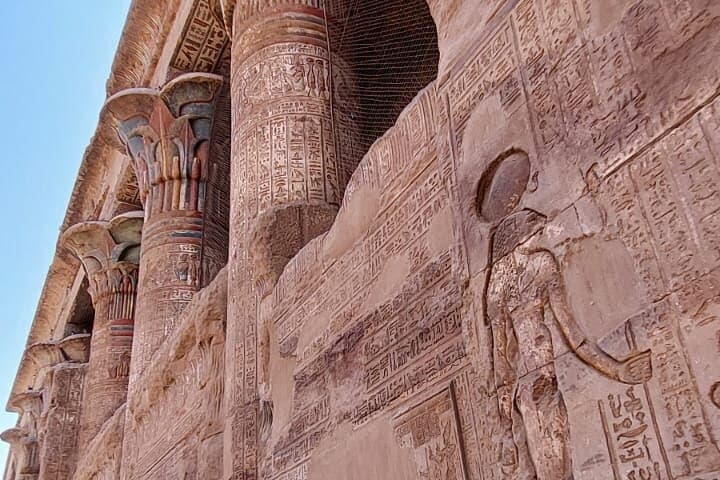
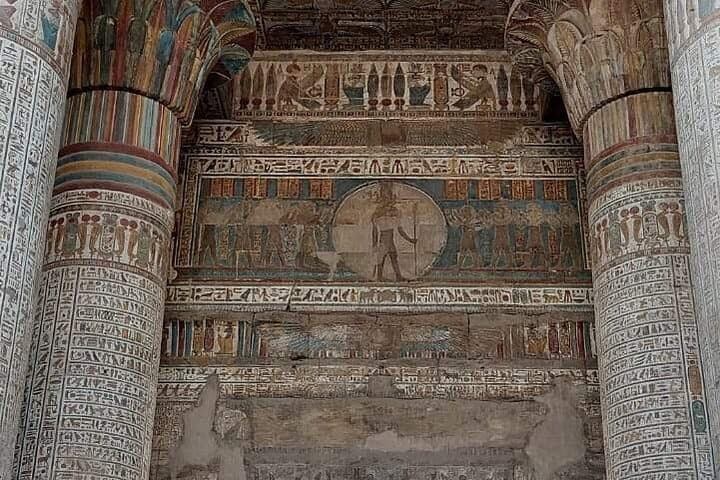
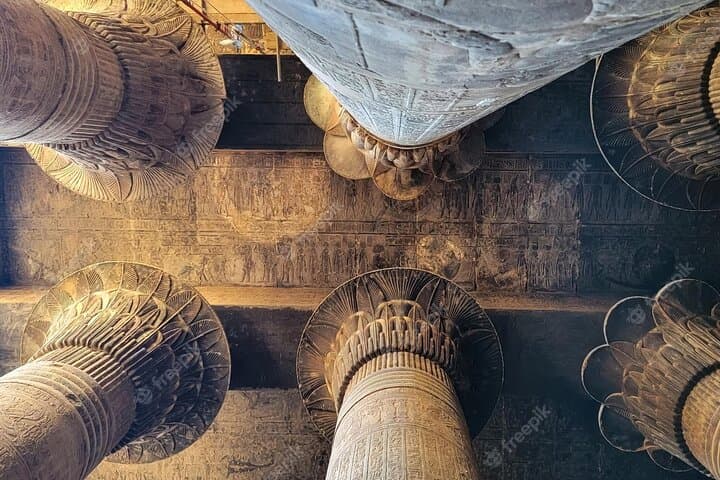
You arrive just off the Nile as the late-morning sun slants across carved sandstone—pillars rise like a stone forest and a cool breath of Nile air moves through the hypostyle hall. The Temple of Esna (dedicated to the ram-headed god Khnum) opens as a compact, tactile slice of Ptolemaic and Roman Egypt; painted reliefs still cling to shadowed recesses and the column capitals bear scenes of gods and emperors.
Verified experiences and guided adventures in the surrounding area.
Operated by NORTH AFRICAN SHIPPING AND TOURISM COMPANY (NASCO TOURS) · Esna, Luxor Governorate
You arrive just off the Nile as the late-morning sun slants across carved sandstone—pillars rise like a stone forest and a cool breath of Nile air moves through the hypostyle hall. The Temple of Esna (dedicated to the ram-headed god Khnum) opens as a compact, tactile slice of Ptolemaic and Roman Egypt; painted reliefs still cling to shadowed recesses and the column capitals bear scenes of gods and emperors.
Esna grew in importance under the Ptolemies and Romans, sitting on a bend of the Nile that made it a trading and ritual hub. The temple’s architecture mixes Egyptian motifs with later Greco-Roman alterations; the well-preserved ceiling scenes and unusual elongated capitals speak to local stonecraft and the city's role as a riverine waypoint. Nearby, the Nile’s floodplain shaped both the town’s economy and its sacred geography.
Practical guidance: tours typically last about three hours with light walking on uneven flagstones and steps. Bring a hat, water, and modest clothing—shoulders and knees covered are respectful and often required. Photography is generally allowed but check with your guide about flash and restricted areas. Morning or late afternoon visits avoid the heat and the busiest cruise-ship windows. Expect a short guided walk, transit in an air-conditioned vehicle from Luxor, and time to browse an adjacent market if your schedule allows.
Plan for exposed sun, sudden gusts of dust, and tight passageways; wear comfortable, grippy shoes and keep valuables close. The site is compact but rich: small details reward a slow, observant pace.
easy.
2–3 hours.
Light walking on mostly flat but uneven surfaces; suitable for most fitness levels but expect steps and short standing periods.
Typical guided visits last about three hours including transport time from Luxor; on-site walking is usually 30–60 minutes depending on pacing.
Admission is often not included—confirm with your tour operator and have identification (passport) ready for ticket purchase if required.
Photography is generally allowed without flash, but rules vary; ask your guide before photographing sensitive reliefs or restricted areas.
Accessibility is limited—there are uneven stones and steps; visitors with mobility needs should check with the operator about vehicle drop-off and available assistance.
Esna’s Temple of Khnum was expanded during the Ptolemaic and Roman periods; inscriptions and ceiling reliefs record religious rites and imperial dedications.
Urban growth and Nile pollution pose conservation challenges; visitors can help by staying on paths, not touching carvings, and avoiding litter.
NORTH AFRICAN SHIPPING AND TOURISM COMPANY (NASCO TOURS) operates guided outdoor trips and adventures with an emphasis on safety, stewardship, and memorable experiences.

You arrive just off the Nile as the late-morning sun slants across carved sandstone—pillars rise like a stone forest and a cool breath of Nile air moves through the hypostyle hall. The Temple of Esna (dedicated to the ram-headed god Khnum) opens as a compact, tactile slice of Ptolemaic and Roman Egypt; painted reliefs still cling to shadowed recesses and the column capitals bear scenes of gods and emperors.
You arrive just off the Nile as the late-morning sun slants across carved sandstone—pillars rise like a stone forest and a cool breath of Nile air moves through the hypostyle hall. The Temple of Esna (dedicated to the ram-headed god Khnum) opens as a compact, tactile slice of Ptolemaic and Roman Egypt; painted reliefs still cling to shadowed recesses and the column capitals bear scenes of gods and emperors.
Esna grew in importance under the Ptolemies and Romans, sitting on a bend of the Nile that made it a trading and ritual hub. The temple’s architecture mixes Egyptian motifs with later Greco-Roman alterations; the well-preserved ceiling scenes and unusual elongated capitals speak to local stonecraft and the city's role as a riverine waypoint. Nearby, the Nile’s floodplain shaped both the town’s economy and its sacred geography.
Practical guidance: tours typically last about three hours with light walking on uneven flagstones and steps. Bring a hat, water, and modest clothing—shoulders and knees covered are respectful and often required. Photography is generally allowed but check with your guide about flash and restricted areas. Morning or late afternoon visits avoid the heat and the busiest cruise-ship windows. Expect a short guided walk, transit in an air-conditioned vehicle from Luxor, and time to browse an adjacent market if your schedule allows.
Plan for exposed sun, sudden gusts of dust, and tight passageways; wear comfortable, grippy shoes and keep valuables close. The site is compact but rich: small details reward a slow, observant pace.