THE ADVENTURE COLLECTIVE® · Independent discovery and booking for outdoor travel

Explore two of Egypt’s best‑preserved temples on a private day trip from Luxor. Travel by air‑conditioned vehicle along the Nile to Esna’s hypostyle hall and Edfu’s towering pylons, with an Egyptologist guide explaining the art, ritual, and landscape that shaped them.
Explore two of Egypt’s best‑preserved temples on a private day trip from Luxor. Travel by air‑conditioned vehicle along the Nile to Esna’s hypostyle hall and Edfu’s towering pylons, with an Egyptologist guide explaining the art, ritual, and landscape that shaped them.
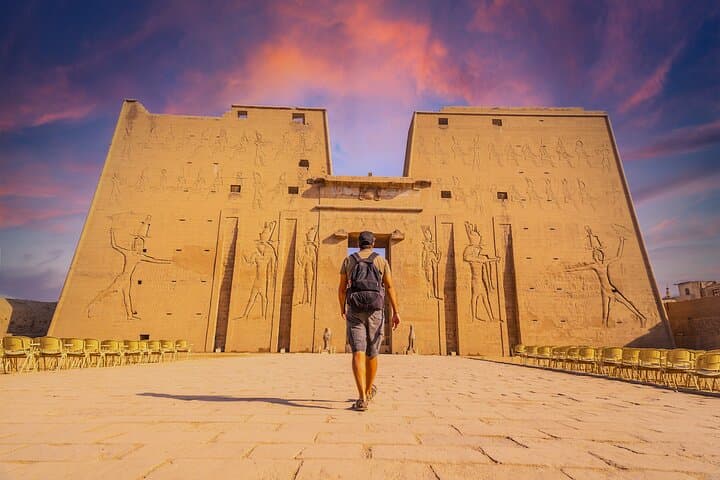
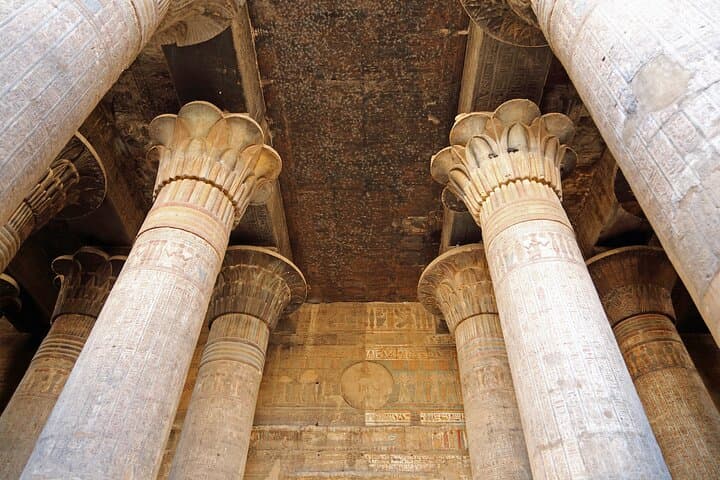
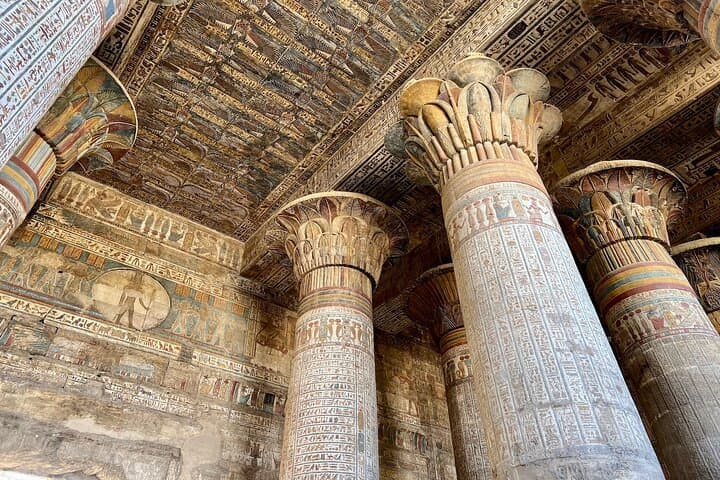
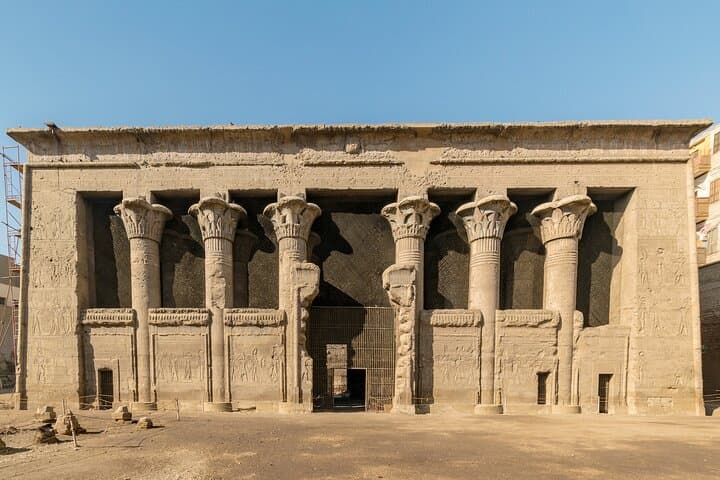
You step into an air-conditioned car before dawn, the Nile sliding past like a dark ribbon while sugar‑cane fields and mud‑brick houses blur by. By midmorning the low sun throws long shadows from Esna’s massive columns; by afternoon the carved pylons of Edfu rise, their hieroglyphs sharp against sky. The trip feels like a slow unraveling of the river’s history.
Verified experiences and guided adventures in the surrounding area.
Operated by egyptbesttours23 · Luxor, Luxor Governorate
You step into an air-conditioned car before dawn, the Nile sliding past like a dark ribbon while sugar‑cane fields and mud‑brick houses blur by. By midmorning the low sun throws long shadows from Esna’s massive columns; by afternoon the carved pylons of Edfu rise, their hieroglyphs sharp against sky. The trip feels like a slow unraveling of the river’s history.
Esna’s temple, dedicated to Khnum, is best known for its deep hypostyle hall and dense relief work that survives despite centuries of flood and reuse. Edfu, a Ptolemaic masterpiece honoring Horus, is one of Egypt’s most complete cult temples — its courtyard, sanctuaries and ritual scenes offer a direct, readable line to ancient ritual life. Geologically, these monuments sit on alluvial terraces shaped by Nile floods, their sandstone blocks quarried and moved along the river for generations.
Culturally the day ties rural Nile life to millennia of religion: boatmen, farmers and modern café owners share the same river that fueled pharaonic wealth. Guides who are Egyptologists add texture: political context, construction methods, and the living traditions tied to these sites.
Practical guidance: plan 6–8 hours, expect about 55 km to Esna then roughly 90 km on to Edfu with a return to Luxor. Wear a sun hat and light, modest clothing, sturdy walking shoes, and bring at least 1.5 liters of water. Photography is generally allowed in open areas but check for restrictions in inner sanctuaries. Start early to avoid heat, carry cash for local purchases and tips, and confirm whether entrance fees are included when you book.
moderate.
6–8 hours.
Suitable for travelers with moderate fitness — involves walking on uneven stone surfaces and occasional steps.
Not always — confirm with the operator before booking; many private tours list admission as payable locally or included depending on the option selected.
Expect roughly 55 km from Luxor to Esna, then about 90 km to Edfu, and about 115 km back to Luxor; total transit plus stops fits into a 6–8 hour day.
Temples have uneven stone floors and steps; people with limited mobility may find parts of the sites challenging — check accessibility with the operator for tailored assistance.
Yes — private guided format allows extended time at key features for photography and in‑depth explanation, though interior sanctuaries may limit flash or tripod use.
Esna’s temple complex reflects Ptolemaic and later Roman additions around a much older cult of Khnum; Edfu is a Ptolemaic-era temple built on traditional pharaonic plans dedicated to Horus.
Visitor management focuses on protecting wall reliefs and controlling foot traffic; avoid touching carvings and use established paths to reduce wear on ancient stone.
egyptbesttours23 operates guided outdoor trips and adventures with an emphasis on safety, stewardship, and memorable experiences.
You step into an air-conditioned car before dawn, the Nile sliding past like a dark ribbon while sugar‑cane fields and mud‑brick houses blur by. By midmorning the low sun throws long shadows from Esna’s massive columns; by afternoon the carved pylons of Edfu rise, their hieroglyphs sharp against sky. The trip feels like a slow unraveling of the river’s history.
You step into an air-conditioned car before dawn, the Nile sliding past like a dark ribbon while sugar‑cane fields and mud‑brick houses blur by. By midmorning the low sun throws long shadows from Esna’s massive columns; by afternoon the carved pylons of Edfu rise, their hieroglyphs sharp against sky. The trip feels like a slow unraveling of the river’s history.
Esna’s temple, dedicated to Khnum, is best known for its deep hypostyle hall and dense relief work that survives despite centuries of flood and reuse. Edfu, a Ptolemaic masterpiece honoring Horus, is one of Egypt’s most complete cult temples — its courtyard, sanctuaries and ritual scenes offer a direct, readable line to ancient ritual life. Geologically, these monuments sit on alluvial terraces shaped by Nile floods, their sandstone blocks quarried and moved along the river for generations.
Culturally the day ties rural Nile life to millennia of religion: boatmen, farmers and modern café owners share the same river that fueled pharaonic wealth. Guides who are Egyptologists add texture: political context, construction methods, and the living traditions tied to these sites.
Practical guidance: plan 6–8 hours, expect about 55 km to Esna then roughly 90 km on to Edfu with a return to Luxor. Wear a sun hat and light, modest clothing, sturdy walking shoes, and bring at least 1.5 liters of water. Photography is generally allowed in open areas but check for restrictions in inner sanctuaries. Start early to avoid heat, carry cash for local purchases and tips, and confirm whether entrance fees are included when you book.