THE ADVENTURE COLLECTIVE® · Independent discovery and booking for outdoor travel

Join a private, guided turtle release at Escobilla Ecotourism Center where community-run conservation efforts protect olive ridley nests and return hatchlings to the Pacific. Learn the care process, photograph unobtrusively, and take part in a meaningful coastal conservation activity.
Join a private, guided turtle release at Escobilla Ecotourism Center where community-run conservation efforts protect olive ridley nests and return hatchlings to the Pacific. Learn the care process, photograph unobtrusively, and take part in a meaningful coastal conservation activity.
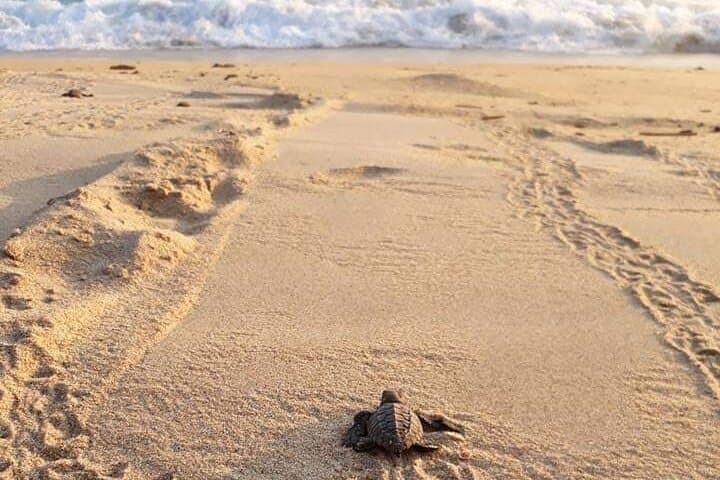
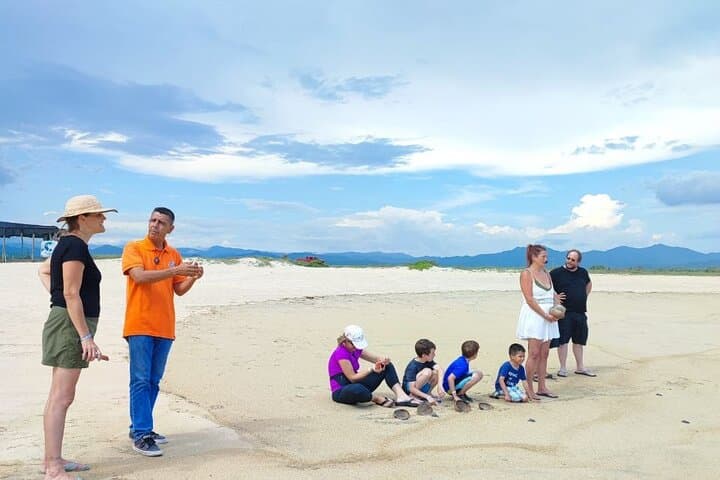
Salt wind and warm sand set the opening scene: you step off the transfer van and the Pacific pushes a constant low roar that seems to dare you closer to the water. At Escobilla Ecotourism Center, the beach becomes a working shoreline—nesting ground, hatchling runway, and a classroom where guides explain each careful step to the sea.
Verified experiences and guided adventures in the surrounding area.
Operated by Lamby Tours Huatulco · Puerto Escondido, Oaxaca
Salt wind and warm sand set the opening scene: you step off the transfer van and the Pacific pushes a constant low roar that seems to dare you closer to the water. At Escobilla Ecotourism Center, the beach becomes a working shoreline—nesting ground, hatchling runway, and a classroom where guides explain each careful step to the sea.
This stretch of Oaxaca’s coast is geologically young—wide sandy spits shaped by longshore currents and seasonal storms—and it hosts one of Mexico’s most important olive ridley nesting beaches. Local conservation efforts grew from community patrols in the late 20th century to organized camps that protect nests, incubate eggs, and coordinate public releases.
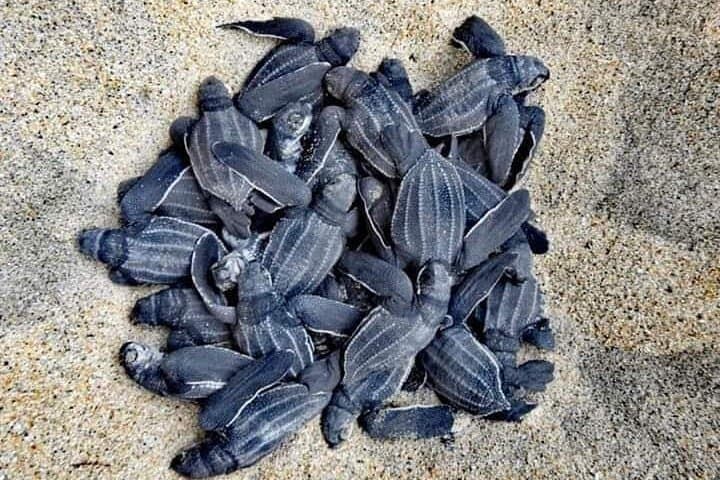
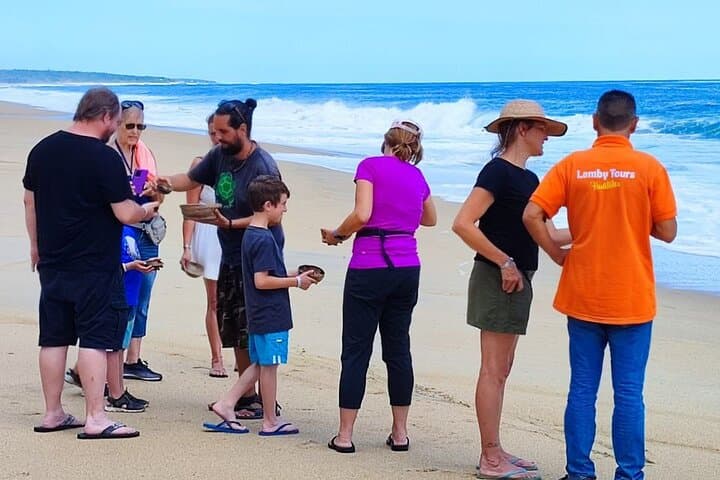
Culturally, these releases are both scientific and communal: guides from nearby villages share oral knowledge about nesting rhythms while visitors learn the hands-on process of moving hatchlings from nest to ocean. Expect the moment of release to be quiet and deliberate; the hatchlings’ scramble and the surf’s pull are the real spectacle.
Practical guidance: the tour is low-impact and suitable for most travelers but requires respectful behavior—no bright lights, quiet voices, and strict following of your guide. Bring a headlamp with red filter only if instructed, wear stable footwear for walking on soft sand, and plan around tides and weather; releases can be timed for evening or early morning depending on emergence. Hydrate, use reef-safe sunscreen, and keep a camera ready but muted—photos without flash preserve the hatchlings’ orientation.
This private experience blends conservation education with a rare, tactile wildlife encounter—one where your presence can help protect a species and leave you with a clear sense of how local stewardship works on a living coastline.
easy.
3–4 hours.
Suitable for most fitness levels; requires walking short distances on sand and standing during the release.
Releases follow natural emergence patterns; hatchling emergences often occur at night or early morning, so timing depends on nesting season and incubation—your operator will confirm the schedule.
Handling policies vary; in most conservation programs only trained staff or guides handle hatchlings to minimize stress—follow your guide’s rules closely.
Yes—many programs welcome children but require they remain quiet, follow directions, and, for infants, sit on laps during transfers as specified by the operator.
Entrance fees and organized camp activities fund nest protection, incubation, and community patrols; private tours typically contribute directly to local conservation efforts and education.
Local communities began organized nest protection in the late 20th century; many camps now combine tourism with science, tracking nesting seasons and hatchling survival.
Programs rely on community patrols, nest relocation, and public education; visitors reduce impact by following no-flash and no-interference rules to protect hatchling orientation.
Lamby Tours Huatulco operates guided outdoor trips and adventures with an emphasis on safety, stewardship, and memorable experiences.
Salt wind and warm sand set the opening scene: you step off the transfer van and the Pacific pushes a constant low roar that seems to dare you closer to the water. At Escobilla Ecotourism Center, the beach becomes a working shoreline—nesting ground, hatchling runway, and a classroom where guides explain each careful step to the sea.
Salt wind and warm sand set the opening scene: you step off the transfer van and the Pacific pushes a constant low roar that seems to dare you closer to the water. At Escobilla Ecotourism Center, the beach becomes a working shoreline—nesting ground, hatchling runway, and a classroom where guides explain each careful step to the sea.
This stretch of Oaxaca’s coast is geologically young—wide sandy spits shaped by longshore currents and seasonal storms—and it hosts one of Mexico’s most important olive ridley nesting beaches. Local conservation efforts grew from community patrols in the late 20th century to organized camps that protect nests, incubate eggs, and coordinate public releases.
Culturally, these releases are both scientific and communal: guides from nearby villages share oral knowledge about nesting rhythms while visitors learn the hands-on process of moving hatchlings from nest to ocean. Expect the moment of release to be quiet and deliberate; the hatchlings’ scramble and the surf’s pull are the real spectacle.
Practical guidance: the tour is low-impact and suitable for most travelers but requires respectful behavior—no bright lights, quiet voices, and strict following of your guide. Bring a headlamp with red filter only if instructed, wear stable footwear for walking on soft sand, and plan around tides and weather; releases can be timed for evening or early morning depending on emergence. Hydrate, use reef-safe sunscreen, and keep a camera ready but muted—photos without flash preserve the hatchlings’ orientation.
This private experience blends conservation education with a rare, tactile wildlife encounter—one where your presence can help protect a species and leave you with a clear sense of how local stewardship works on a living coastline.