THE ADVENTURE COLLECTIVE® · Independent discovery and booking for outdoor travel

Join a dusk-time convoy from Huatulco to Escobilla Beach for a guided olive ridley hatchling release. This community-run activity pairs a short coastal drive with a low-impact, educational encounter at one of Oaxaca’s key nesting beaches.
Join a dusk-time convoy from Huatulco to Escobilla Beach for a guided olive ridley hatchling release. This community-run activity pairs a short coastal drive with a low-impact, educational encounter at one of Oaxaca’s key nesting beaches.
The van hums down Highway 200 as the sky cools and the Pacific edge darkens; salt and dust ride the wind through open windows. By the time you step onto Escobilla’s wide, low-slope sand, the surf is a steady breath and the beach feels alive — not loud, but present: small shadows moving, a hush of expectation. Guides lead you along a ribbon of moonlit sand to where nests have been guarded all season. Under the careful watch of local conservation teams, hatchlings are gently carried to the surf and released, a sudden, urgent scramble toward the water that feels both fragile and fierce.
Verified experiences and guided adventures in the surrounding area.
Operated by Top Tours Huatulco · Puerto Escondido, Oaxaca
The van hums down Highway 200 as the sky cools and the Pacific edge darkens; salt and dust ride the wind through open windows. By the time you step onto Escobilla’s wide, low-slope sand, the surf is a steady breath and the beach feels alive — not loud, but present: small shadows moving, a hush of expectation. Guides lead you along a ribbon of moonlit sand to where nests have been guarded all season. Under the careful watch of local conservation teams, hatchlings are gently carried to the surf and released, a sudden, urgent scramble toward the water that feels both fragile and fierce.
Escobilla is one of Mexico’s most important olive ridley nesting beaches on the Oaxacan coast. Geologically, the beach is broad and sandy with wind-sculpted dunes and an offshore shelf that creates long, rolling breakers. Local communities and conservation groups have long-managed nesting zones here; releases are a community-led effort to protect eggs from predators and human disturbance.
Practical guidance: departures from Huatulco are late afternoon, and the round trip is roughly four hours. Expect soft sand — wear closed-toe shoes — and bring a headlamp with a red filter for moving safely without disturbing animals. Photography without flash is allowed in most programs; follow guides’ directions closely. The experience is low-impact but emotionally intense: keep noise to a minimum, leave no trace, and avoid touching or handling turtles unless instructed. Timing matters — releases happen at dusk or after dark during nesting season — and your presence supports local conservation when done responsibly.
easy.
4 hours.
Suitable for most fitness levels; requires short walks on soft sand at dusk
Pickup is mid-to-late afternoon and the round trip is about four hours, including transit and time on the beach.
No — handling and flash are typically prohibited; guides will explain what’s allowed to protect the hatchlings.
The activity is family-friendly but involves walking on soft sand at dusk; guests with limited mobility should advise the operator when booking to discuss access.
Nesting and hatching peak in the rainy months (roughly July–October), though programs may operate earlier or later depending on nesting activity.
Escobilla has long been a major nesting ground for olive ridley turtles; local communities and conservation groups established patrols and protected nests in recent decades to reduce egg poaching and predation.
Releases are typically organized with local conservation associations that monitor nests, relocate vulnerable eggs when needed, and use educational tourism to fund protection; visitors should follow leave-no-trace practices and avoid single-use plastics.
Top Tours Huatulco operates guided outdoor trips and adventures with an emphasis on safety, stewardship, and memorable experiences.
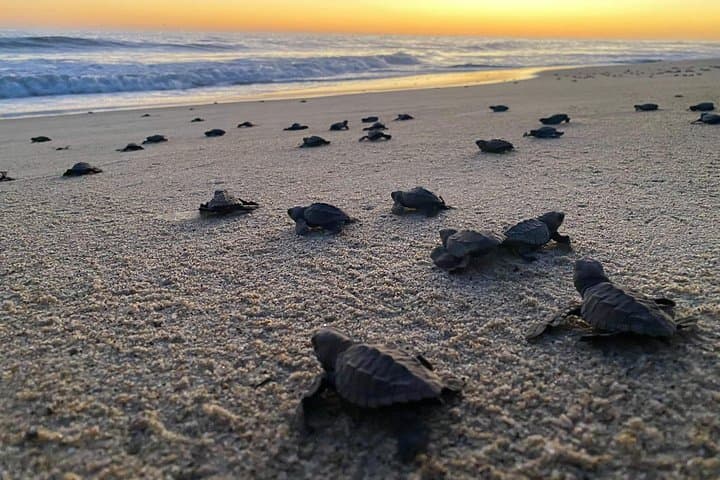
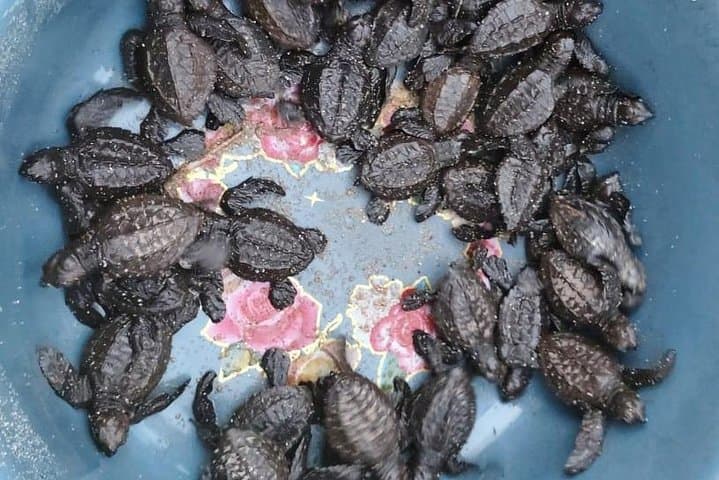
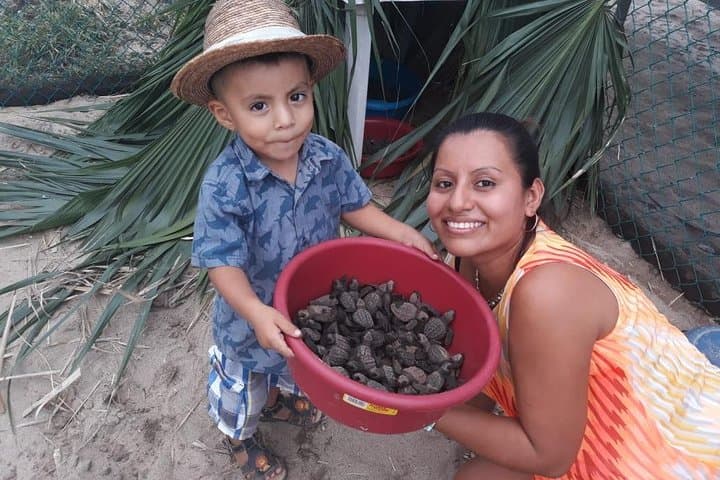
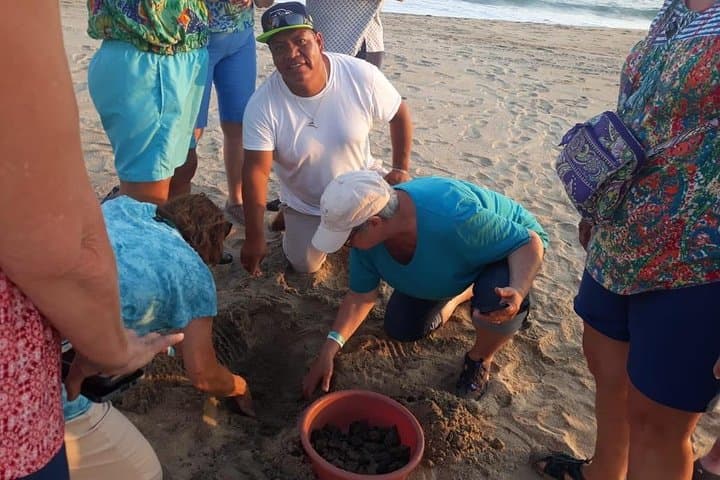
The van hums down Highway 200 as the sky cools and the Pacific edge darkens; salt and dust ride the wind through open windows. By the time you step onto Escobilla’s wide, low-slope sand, the surf is a steady breath and the beach feels alive — not loud, but present: small shadows moving, a hush of expectation. Guides lead you along a ribbon of moonlit sand to where nests have been guarded all season. Under the careful watch of local conservation teams, hatchlings are gently carried to the surf and released, a sudden, urgent scramble toward the water that feels both fragile and fierce.
The van hums down Highway 200 as the sky cools and the Pacific edge darkens; salt and dust ride the wind through open windows. By the time you step onto Escobilla’s wide, low-slope sand, the surf is a steady breath and the beach feels alive — not loud, but present: small shadows moving, a hush of expectation. Guides lead you along a ribbon of moonlit sand to where nests have been guarded all season. Under the careful watch of local conservation teams, hatchlings are gently carried to the surf and released, a sudden, urgent scramble toward the water that feels both fragile and fierce.
Escobilla is one of Mexico’s most important olive ridley nesting beaches on the Oaxacan coast. Geologically, the beach is broad and sandy with wind-sculpted dunes and an offshore shelf that creates long, rolling breakers. Local communities and conservation groups have long-managed nesting zones here; releases are a community-led effort to protect eggs from predators and human disturbance.
Practical guidance: departures from Huatulco are late afternoon, and the round trip is roughly four hours. Expect soft sand — wear closed-toe shoes — and bring a headlamp with a red filter for moving safely without disturbing animals. Photography without flash is allowed in most programs; follow guides’ directions closely. The experience is low-impact but emotionally intense: keep noise to a minimum, leave no trace, and avoid touching or handling turtles unless instructed. Timing matters — releases happen at dusk or after dark during nesting season — and your presence supports local conservation when done responsibly.