THE ADVENTURE COLLECTIVE® · Independent discovery and booking for outdoor travel

Leave Marrakech’s heat for a day in the High Atlas—visit Berber markets, sip mint tea in a village home, and take a short guided hike to the Setti Fatma waterfalls. This practical guide explains what to expect, how to prepare, and why the valley rewards curiosity.
Leave Marrakech’s heat for a day in the High Atlas—visit Berber markets, sip mint tea in a village home, and take a short guided hike to the Setti Fatma waterfalls. This practical guide explains what to expect, how to prepare, and why the valley rewards curiosity.
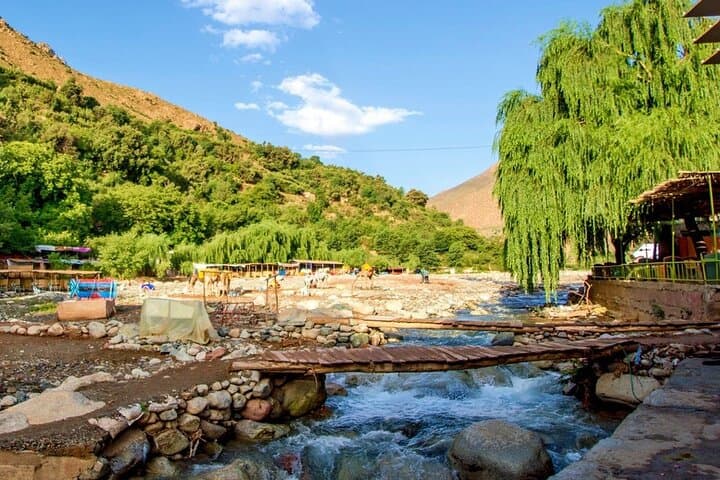
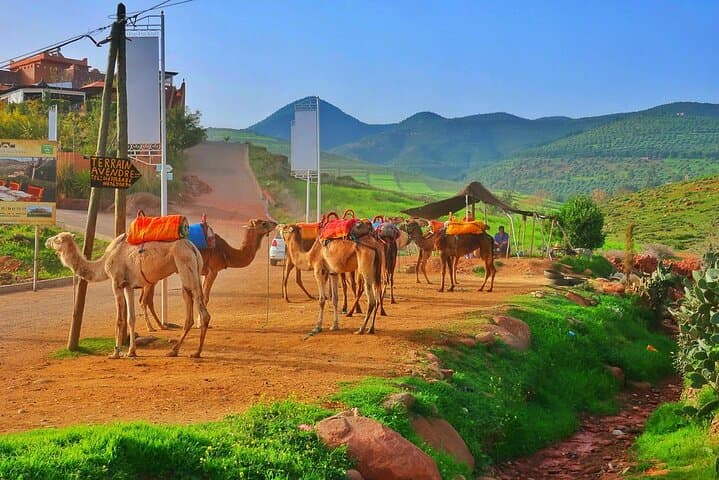
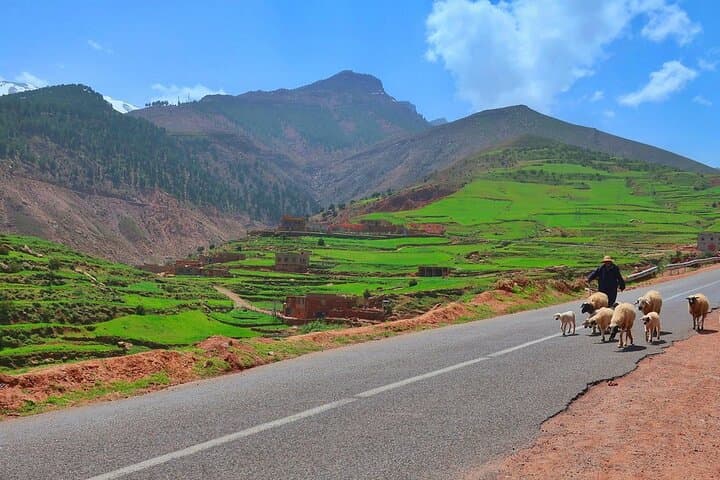
Morning air off the High Atlas moves like a current pushing you out of Marrakech and toward the cool river valleys. On this full-day run into the Ourika Valley, the road slides through the Haouz plain, past fields and olive groves, before climbing a ribbon of switchbacks to Setti Fatma where a clear stream dares you to follow it uphill.
Verified experiences and guided adventures in the surrounding area.
Operated by Marrakech Tours · Marrakech, Marrakech-Safi
Morning air off the High Atlas moves like a current pushing you out of Marrakech and toward the cool river valleys. On this full-day run into the Ourika Valley, the road slides through the Haouz plain, past fields and olive groves, before climbing a ribbon of switchbacks to Setti Fatma where a clear stream dares you to follow it uphill.
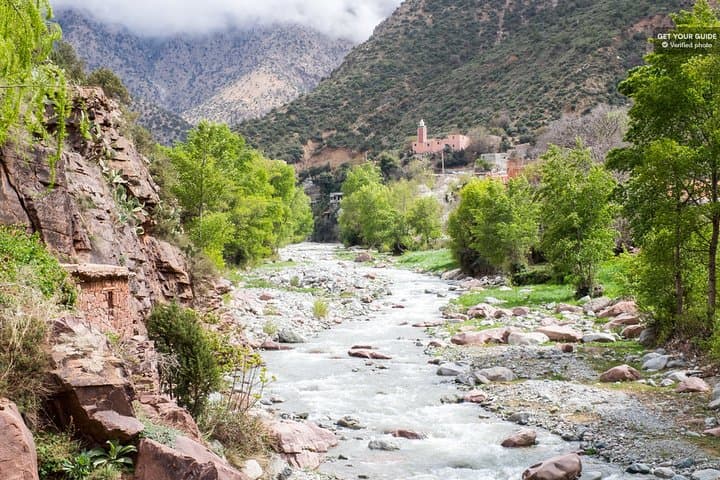
The valley has long been a corridor between Marrakech and mountain communities; Berber villages here reflect centuries of terrace farming and river-fed orchards. Geologically, the High Atlas is young and rugged rock—folded limestone and schist carved into narrow gorges and stepped slopes that make the waterfalls sudden and dramatic when snowmelt swells the streams.
Culturally the day centers on simple encounters: a lively open-air market, a mint-tea invitation at a Berber house, and the option to hire a local guide for a short trek to a series of cascades above Setti Fatma. Trails are rocky and steep in places—stone steps and river crossings—so the pace is relaxed and flexible.
Practical guidance: expect a 6–7 hour outing with hotel pickup in an air-conditioned minibus, bottled water and lunch at leisure. Wear grippy shoes, sun protection and a light layer; bring cash for tea, tips and optional local guides. Start early to avoid midday heat; aim for steady, short hikes rather than long ascents. The day is as much about people and place as it is about the falls—go ready to listen, photograph and move at the valley’s measured rhythm.
easy.
6–7 hours.
Suitable for most travelers who can walk 30–60 minutes on uneven, rocky terrain; not strenuous.
The journey to the Ourika Valley typically takes 40–60 minutes each way by minibus, depending on traffic and your exact pickup point.
The hike to the main cascades is short but involves uneven stone steps and some stream crossings; it’s considered easy to moderate and optional guides are available.
Lunch is provided at leisure rather than fixed; participants can buy lunch at local cafés by the stream—bring cash for meals not pre-covered.
Yes—this tour suits most ages since walking is optional; note it’s not recommended for people with serious heart conditions due to mountain driving and light exertion.
The Ourika Valley has historically connected Marrakech to High Atlas villages; terrace agriculture and market exchange here date back centuries of Berber settlement.
Tourism supports village economies but brings erosion and waste risks; stick to trails, avoid feeding wildlife, and use local guides to limit impact.
Marrakech Tours operates guided outdoor trips and adventures with an emphasis on safety, stewardship, and memorable experiences.
Morning air off the High Atlas moves like a current pushing you out of Marrakech and toward the cool river valleys. On this full-day run into the Ourika Valley, the road slides through the Haouz plain, past fields and olive groves, before climbing a ribbon of switchbacks to Setti Fatma where a clear stream dares you to follow it uphill.
Morning air off the High Atlas moves like a current pushing you out of Marrakech and toward the cool river valleys. On this full-day run into the Ourika Valley, the road slides through the Haouz plain, past fields and olive groves, before climbing a ribbon of switchbacks to Setti Fatma where a clear stream dares you to follow it uphill.
The valley has long been a corridor between Marrakech and mountain communities; Berber villages here reflect centuries of terrace farming and river-fed orchards. Geologically, the High Atlas is young and rugged rock—folded limestone and schist carved into narrow gorges and stepped slopes that make the waterfalls sudden and dramatic when snowmelt swells the streams.
Culturally the day centers on simple encounters: a lively open-air market, a mint-tea invitation at a Berber house, and the option to hire a local guide for a short trek to a series of cascades above Setti Fatma. Trails are rocky and steep in places—stone steps and river crossings—so the pace is relaxed and flexible.
Practical guidance: expect a 6–7 hour outing with hotel pickup in an air-conditioned minibus, bottled water and lunch at leisure. Wear grippy shoes, sun protection and a light layer; bring cash for tea, tips and optional local guides. Start early to avoid midday heat; aim for steady, short hikes rather than long ascents. The day is as much about people and place as it is about the falls—go ready to listen, photograph and move at the valley’s measured rhythm.