THE ADVENTURE COLLECTIVE® · Independent discovery and booking for outdoor travel

Avoid the crowds and see Arashiyama through a local’s eyes—bamboo groves, imperial corridors and moss gardens across a gentle 3 km walk. Practical tips on tickets, temple etiquette and seasonal timing help you plan a calm, culturally rich half-day in Kyoto.
Avoid the crowds and see Arashiyama through a local’s eyes—bamboo groves, imperial corridors and moss gardens across a gentle 3 km walk. Practical tips on tickets, temple etiquette and seasonal timing help you plan a calm, culturally rich half-day in Kyoto.
You step off the beaten track into Arashiyama, where a narrow lane opens onto a cool shaft of bamboo and the river’s current seems to push you forward. The sound of bamboo joints clacking and a guide’s quiet explanation replace the tourist crush. Over four hours you pass black torii, moss gardens and a former imperial residence whose wooden corridors creak with history.
Verified experiences and guided adventures in the surrounding area.
Operated by Yusuke Tanaka · Kyoto, Kyoto Prefecture
You step off the beaten track into Arashiyama, where a narrow lane opens onto a cool shaft of bamboo and the river’s current seems to push you forward. The sound of bamboo joints clacking and a guide’s quiet explanation replace the tourist crush. Over four hours you pass black torii, moss gardens and a former imperial residence whose wooden corridors creak with history.
This walk threads living history and local culture: Saga Gosho began as an imperial retreat more than a millennium ago, nearby temples preserve statues and garden layouts shaped by centuries of Japanese aesthetics, and several stops appear in The Tale of Genji — a literary map you can feel underfoot. Geology here is simple: low alluvial plains carved by the Oi River, giving the area its riverside groves and fertile temple gardens. Culturally the tour emphasizes etiquette — removing shoes inside temple buildings, quiet voices, and the optional practice of collecting goshuin stamps (bring cash and a stamp book).
In practical terms expect ~3 km of walking spread across paved lanes, temple grounds and short stair sections, with gentle pacing suitable for most travelers. Tickets for individual sites are modest (roughly 300–500 JPY at some stops), and some indoor spaces require shoe removal. The guide, a longtime local who’s led thousands of guests, times visits to avoid crowds and offers photography help.
Plan for humidity in summer, vivid foliage in autumn, and a quieter winter light; bring cash, comfortable shoes, a refillable water bottle and respect for sacred spaces. This is an intimate, low-impact way to know Arashiyama beyond the postcards.
easy.
3–4 hours.
Suitable for most travelers with basic mobility; involves ~3 km of mostly flat walking and short stairs.
The tour runs about 3–4 hours and covers roughly 3 km of walking distributed between temples, bamboo groves and gardens; pacing is relaxed with several stops.
Some site entry fees (typically 300–500 JPY) and optional goshuin stamps are paid on-site by participants; bring small cash for these.
The route is mostly gentle and family-friendly, but there are short stair sections and indoor areas requiring shoe removal; contact the guide ahead to discuss accommodations.
Yes—there’s an option that adds contextual commentary linking several stops to The Tale of Genji; it deepens the cultural narrative without changing the route.
Arashiyama’s landscape includes sites tied to imperial retreats and classical literature; Saga Gosho served as a palace site around 1,200 years ago and elements of the area appear in The Tale of Genji.
High visitor numbers can stress temple gardens and bamboo paths—stay on designated routes, avoid picking plants, and follow local guidance to minimize impact.
Yusuke Tanaka operates guided outdoor trips and adventures with an emphasis on safety, stewardship, and memorable experiences.
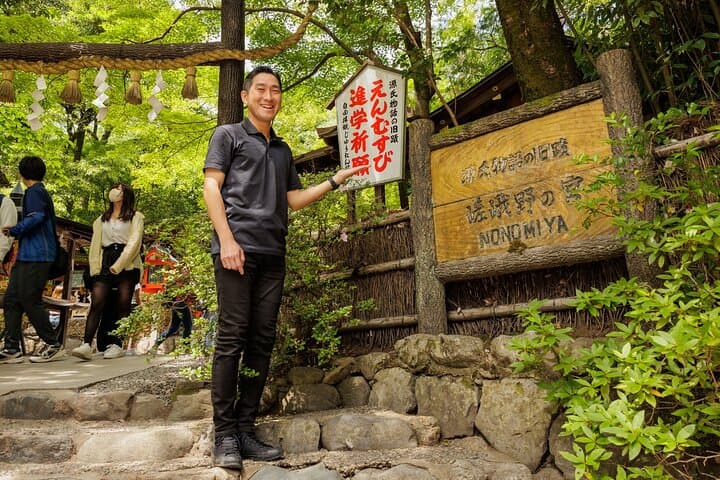

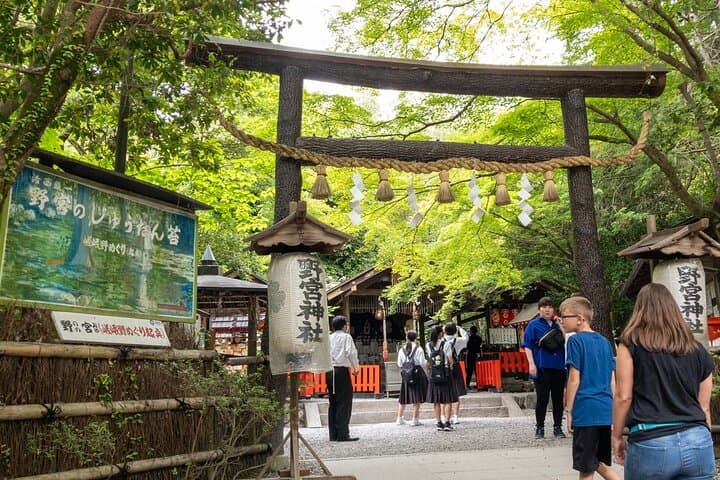

You step off the beaten track into Arashiyama, where a narrow lane opens onto a cool shaft of bamboo and the river’s current seems to push you forward. The sound of bamboo joints clacking and a guide’s quiet explanation replace the tourist crush. Over four hours you pass black torii, moss gardens and a former imperial residence whose wooden corridors creak with history.
You step off the beaten track into Arashiyama, where a narrow lane opens onto a cool shaft of bamboo and the river’s current seems to push you forward. The sound of bamboo joints clacking and a guide’s quiet explanation replace the tourist crush. Over four hours you pass black torii, moss gardens and a former imperial residence whose wooden corridors creak with history.
This walk threads living history and local culture: Saga Gosho began as an imperial retreat more than a millennium ago, nearby temples preserve statues and garden layouts shaped by centuries of Japanese aesthetics, and several stops appear in The Tale of Genji — a literary map you can feel underfoot. Geology here is simple: low alluvial plains carved by the Oi River, giving the area its riverside groves and fertile temple gardens. Culturally the tour emphasizes etiquette — removing shoes inside temple buildings, quiet voices, and the optional practice of collecting goshuin stamps (bring cash and a stamp book).
In practical terms expect ~3 km of walking spread across paved lanes, temple grounds and short stair sections, with gentle pacing suitable for most travelers. Tickets for individual sites are modest (roughly 300–500 JPY at some stops), and some indoor spaces require shoe removal. The guide, a longtime local who’s led thousands of guests, times visits to avoid crowds and offers photography help.
Plan for humidity in summer, vivid foliage in autumn, and a quieter winter light; bring cash, comfortable shoes, a refillable water bottle and respect for sacred spaces. This is an intimate, low-impact way to know Arashiyama beyond the postcards.