THE ADVENTURE COLLECTIVE® · Independent discovery and booking for outdoor travel

A self-guided, app-driven 3 km city walk through Odense that mixes sightseeing with puzzle challenges. Perfect for families or groups looking for an active way to explore Hans Christian Andersen’s hometown.
A self-guided, app-driven 3 km city walk through Odense that mixes sightseeing with puzzle challenges. Perfect for families or groups looking for an active way to explore Hans Christian Andersen’s hometown.
You step onto cobblestones warmed faintly by morning sun, the River Odense nudging the city as if daring you to follow its turns. A smartphone guides your group through narrow lanes and open squares; clues unfurl like clues hidden in plain sight. This is not a passive tour but an active city walk—3 kilometres and roughly 1.5–2 hours of puzzle-solving that threads together Odense’s living history.
Verified experiences and guided adventures in the surrounding area.
Operated by Groepsspellen · Odense, Region of Southern Denmark
You step onto cobblestones warmed faintly by morning sun, the River Odense nudging the city as if daring you to follow its turns. A smartphone guides your group through narrow lanes and open squares; clues unfurl like clues hidden in plain sight. This is not a passive tour but an active city walk—3 kilometres and roughly 1.5–2 hours of puzzle-solving that threads together Odense’s living history.
Odense wears its past on brick and plaster: medieval churches such as Sankt Hans, monastic gardens that once sheltered mendicant orders, and the murals that recall Hans Christian Andersen’s childhood imagination. The town’s flat, glacially formed terrain means easy walking under plane trees and beside low riverbanks, where urban wildlife edges the route. Local cafés and squares like Sortebrødre Torv and Flakhaven give frequent stops for a coffee or to consult the app’s next clue.
Practical guidance: expect about 3 km of mostly paved streets with brief steps and pedestrian-only zones; comfortable walking shoes and a charged phone are essential. The game is self-guided—download the app and log in by email, then start when ready. Because the route visits 15–20 highlights, plan for breaks: terraces and small parks are ideal for regrouping.
Timing tip: start mid-morning or late afternoon to avoid weekday commuter flow. Keep data access or offline maps available, and be prepared for light Danish weather—layers and a small waterproof are handy. The experience blends low-effort exploration with a playful, investigative pace—good for families and groups that want to see Odense with a purpose.
easy.
1–2 hours.
Suitable for most fitness levels; light walking stamina required
The route covers about 3 km and typically takes 1.5–2 hours, depending on how long you linger at stops or solve puzzles.
Yes—it's family-friendly and labeled physically easy; puzzles are designed for groups and can be adapted for younger players.
No—the game is self-guided. After you receive the login, you can start whenever the app allows and at your own pace.
Yes—there are cafés, public toilets, and squares like Sortebrødre Torv and Flakhaven where you can stop for refreshments.
Odense dates back to the Viking and medieval period and is best known as the birthplace of Hans Christian Andersen; its churches and monastic remnants trace its long civic history.
Stick to marked pedestrian zones, use public transport, and limit single-use plastics—Odense promotes low-impact urban tourism and heritage preservation.
Groepsspellen operates guided outdoor trips and adventures with an emphasis on safety, stewardship, and memorable experiences.
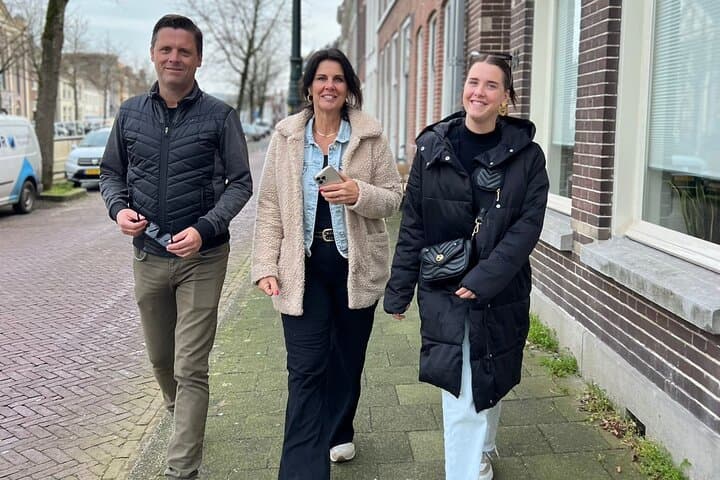

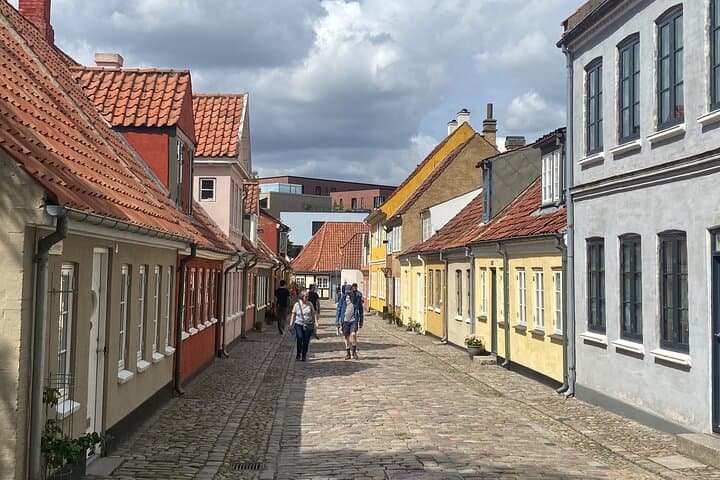
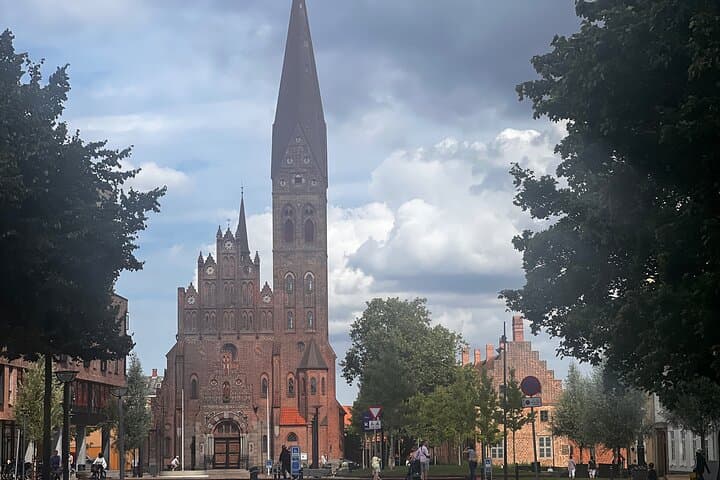
You step onto cobblestones warmed faintly by morning sun, the River Odense nudging the city as if daring you to follow its turns. A smartphone guides your group through narrow lanes and open squares; clues unfurl like clues hidden in plain sight. This is not a passive tour but an active city walk—3 kilometres and roughly 1.5–2 hours of puzzle-solving that threads together Odense’s living history.
You step onto cobblestones warmed faintly by morning sun, the River Odense nudging the city as if daring you to follow its turns. A smartphone guides your group through narrow lanes and open squares; clues unfurl like clues hidden in plain sight. This is not a passive tour but an active city walk—3 kilometres and roughly 1.5–2 hours of puzzle-solving that threads together Odense’s living history.
Odense wears its past on brick and plaster: medieval churches such as Sankt Hans, monastic gardens that once sheltered mendicant orders, and the murals that recall Hans Christian Andersen’s childhood imagination. The town’s flat, glacially formed terrain means easy walking under plane trees and beside low riverbanks, where urban wildlife edges the route. Local cafés and squares like Sortebrødre Torv and Flakhaven give frequent stops for a coffee or to consult the app’s next clue.
Practical guidance: expect about 3 km of mostly paved streets with brief steps and pedestrian-only zones; comfortable walking shoes and a charged phone are essential. The game is self-guided—download the app and log in by email, then start when ready. Because the route visits 15–20 highlights, plan for breaks: terraces and small parks are ideal for regrouping.
Timing tip: start mid-morning or late afternoon to avoid weekday commuter flow. Keep data access or offline maps available, and be prepared for light Danish weather—layers and a small waterproof are handy. The experience blends low-effort exploration with a playful, investigative pace—good for families and groups that want to see Odense with a purpose.