THE ADVENTURE COLLECTIVE® · Independent discovery and booking for outdoor travel

Lock the door, split the roles, and chase clues across five themed rooms in Hurghada. This 60‑minute escape experience combines ancient-Egypt motifs and thriller scenarios with hotel transfers and accessibility options for a fast, social challenge.
Lock the door, split the roles, and chase clues across five themed rooms in Hurghada. This 60‑minute escape experience combines ancient-Egypt motifs and thriller scenarios with hotel transfers and accessibility options for a fast, social challenge.
The room goes dark and a single lamp clicks on: stone glyphs, a locked chest, and a slow, audible tick that marks the start of the hour. In Hurghada’s escape-room complex, teams move from the sweaty palms of a deranged captor’s cellar to the dust and mystery of an Imhotep-designed tomb, pushing brains and nerves against a stubborn clock.
Verified experiences and guided adventures in the surrounding area.
Operated by Noun Travel · Hurghada, Red Sea Governorate
The room goes dark and a single lamp clicks on: stone glyphs, a locked chest, and a slow, audible tick that marks the start of the hour. In Hurghada’s escape-room complex, teams move from the sweaty palms of a deranged captor’s cellar to the dust and mystery of an Imhotep-designed tomb, pushing brains and nerves against a stubborn clock.
Hurghada sits on the Red Sea’s eastern shore, a modern resort city that grew rapidly from the 1980s as diving and tourism boomed. That coastal energy feeds the escape-room themes—ancient Egypt, time machines, and eerie galleries—that borrow local lore and cinematic tropes rather than literal history. The Imhotep chamber riffs on pharaonic design; the others nod to contemporary thriller plots familiar to global audiences.
Expect puzzle types that test pattern recognition, mechanical curiosity, and teamwork rather than brute strength: hidden compartments, coded locks, sequence puzzles, and prop-based riddles. Games are one hour long; the operator provides hotel transfers, water, and light refreshments, and rooms are marked wheelchair-accessible.
Practical guidance: arrive 10–15 minutes before your slot to get a briefing and any safety notes. Teams of 2–6 work best—larger groups tend to split focus, smaller teams may struggle with simultaneous tasks. Communicate constantly, assign roles (searcher, clue-keeper, lock-handler), and keep pace—time checks every 15 minutes help. If claustrophobia or severe sensitivity to darkness is a concern, notify staff in advance; many rooms can be modified or swapped. With clear rules, an engaging game master, and a tight 60 minutes, this is a high-energy mental sprint ideal for friends, families, or team-building visits while staying in Hurghada.
easy.
1 hour.
No special fitness required; the activity is primarily mental and suitable for most ages and mobility levels.
Each game lasts 60 minutes, plus a short briefing before and debrief after—plan for roughly 75–90 minutes total.
Yes—this operator lists wheelchair accessibility; mention any specific needs at booking to ensure the best room assignment.
Many rooms are family-friendly, but some themes (e.g., Psycho) may be intense; check with staff about age appropriateness before booking.
Full refunds are available if you cancel at least 24 hours before the scheduled time; last‑minute cancellations are non-refundable.
Hurghada developed into a major Red Sea resort in the late 20th century; its tourism infrastructure borrows themes from Egypt’s ancient past for theatrical experiences like the Imhotep room.
The Red Sea ecosystem is sensitive—support operators that use responsible snorkeling and diving practices; indoors, minimize single-use plastics and respect venue rules to reduce waste.
Noun Travel operates guided outdoor trips and adventures with an emphasis on safety, stewardship, and memorable experiences.
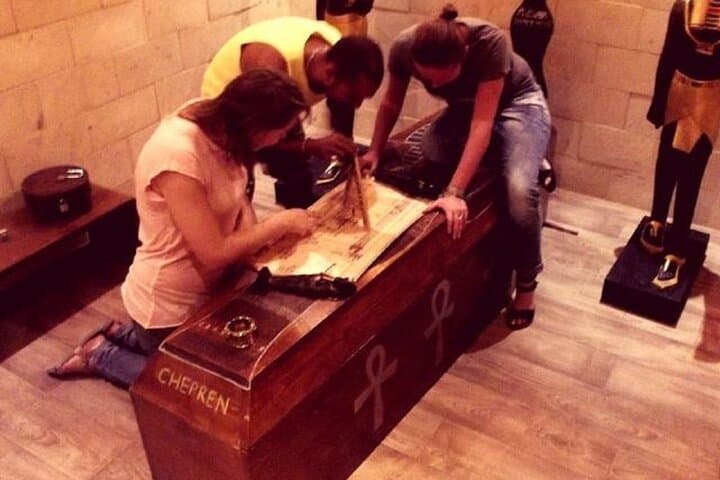
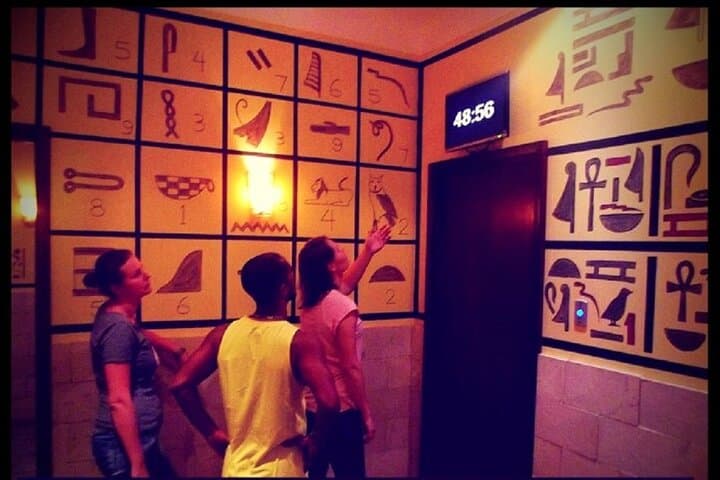
The room goes dark and a single lamp clicks on: stone glyphs, a locked chest, and a slow, audible tick that marks the start of the hour. In Hurghada’s escape-room complex, teams move from the sweaty palms of a deranged captor’s cellar to the dust and mystery of an Imhotep-designed tomb, pushing brains and nerves against a stubborn clock.
The room goes dark and a single lamp clicks on: stone glyphs, a locked chest, and a slow, audible tick that marks the start of the hour. In Hurghada’s escape-room complex, teams move from the sweaty palms of a deranged captor’s cellar to the dust and mystery of an Imhotep-designed tomb, pushing brains and nerves against a stubborn clock.
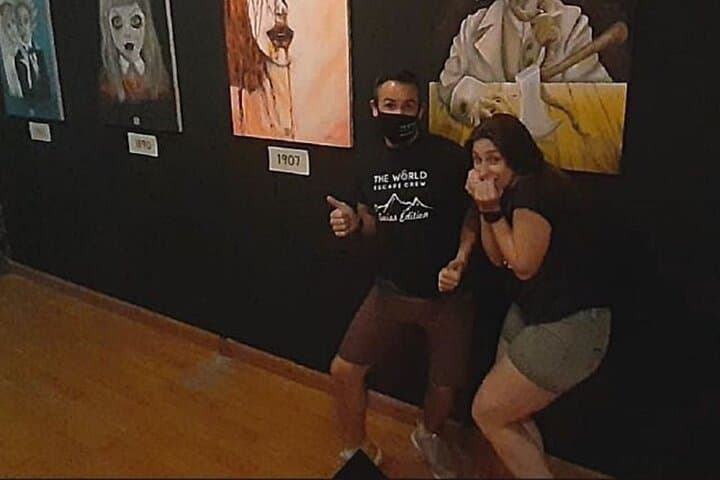
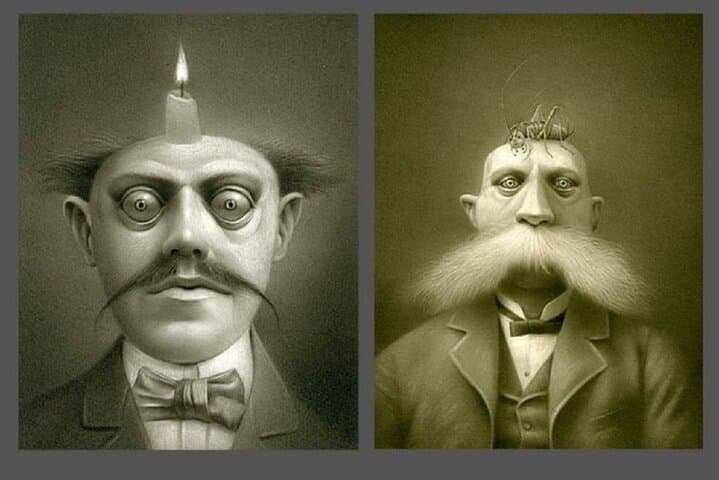
Hurghada sits on the Red Sea’s eastern shore, a modern resort city that grew rapidly from the 1980s as diving and tourism boomed. That coastal energy feeds the escape-room themes—ancient Egypt, time machines, and eerie galleries—that borrow local lore and cinematic tropes rather than literal history. The Imhotep chamber riffs on pharaonic design; the others nod to contemporary thriller plots familiar to global audiences.
Expect puzzle types that test pattern recognition, mechanical curiosity, and teamwork rather than brute strength: hidden compartments, coded locks, sequence puzzles, and prop-based riddles. Games are one hour long; the operator provides hotel transfers, water, and light refreshments, and rooms are marked wheelchair-accessible.
Practical guidance: arrive 10–15 minutes before your slot to get a briefing and any safety notes. Teams of 2–6 work best—larger groups tend to split focus, smaller teams may struggle with simultaneous tasks. Communicate constantly, assign roles (searcher, clue-keeper, lock-handler), and keep pace—time checks every 15 minutes help. If claustrophobia or severe sensitivity to darkness is a concern, notify staff in advance; many rooms can be modified or swapped. With clear rules, an engaging game master, and a tight 60 minutes, this is a high-energy mental sprint ideal for friends, families, or team-building visits while staying in Hurghada.