THE ADVENTURE COLLECTIVE® · Independent discovery and booking for outdoor travel

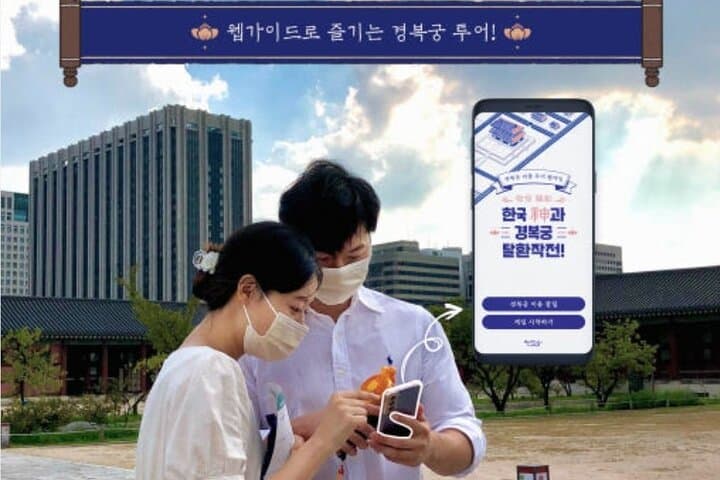
Turn Gyeongbokgung’s stone halls into a playable escape room: this guided web-game tour pairs history with quizzes and missions across Geunjeongjeon and Gyeonghoeru. Ideal for families and first-time visitors, it blends light walking with interactive storytelling.
Turn Gyeongbokgung’s stone halls into a playable escape room: this guided web-game tour pairs history with quizzes and missions across Geunjeongjeon and Gyeonghoeru. Ideal for families and first-time visitors, it blends light walking with interactive storytelling.
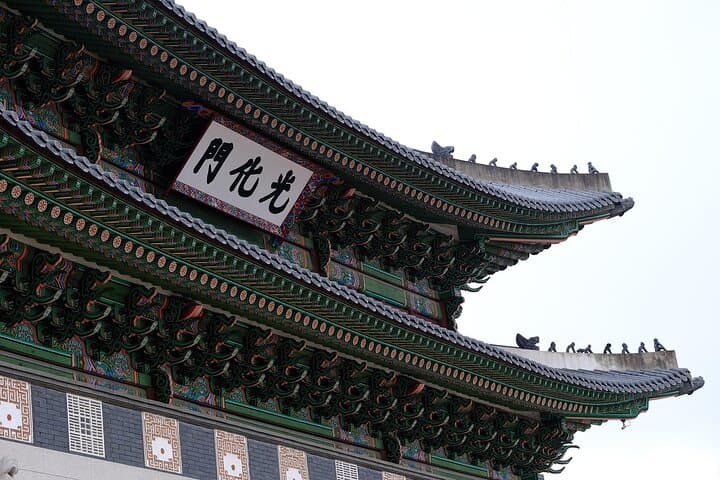
You step through Gwanghwamun and the stone gate narrows the city noise to a polite whisper; the palace courts stretch ahead like stages in a living folktale. The guide hands you a web link and a challenge: monsters have crept into Geunjeongjeon and Gyeonghoeru, and the only way out is to outwit them with history and quick answers.
Verified experiences and guided adventures in the surrounding area.
Operated by 한국여행업협동조합 · Seoul, Seoul
You step through Gwanghwamun and the stone gate narrows the city noise to a polite whisper; the palace courts stretch ahead like stages in a living folktale. The guide hands you a web link and a challenge: monsters have crept into Geunjeongjeon and Gyeonghoeru, and the only way out is to outwit them with history and quick answers.
Gyeongbokgung was founded in 1395 as the principal palace of the Joseon dynasty. Its timber halls sit at the south edge of Bugaksan’s foothills, where the city's granite and low ridgelines frame broad palace courts. The tour threads through named sites—Geunjeongjeon’s ceremonial throne room, the banquet pavilion of Gyeonghoeru, and private chambers like Jagyeongjeon—each with stories that feed the game's puzzles. Architecture acts like a character here: carved horsemen guard the ceremonial walls and dragon motifs seem to shift when you move.
The experience blends a guided walking tour with a mobile web-game: quizzes, historic prompts, and short missions tied to specific palace features. It’s social, family-friendly, and built for light walking across paved courtyards and some shallow steps. Expect interpretive storytelling from the guide, local cultural context about royal rituals, and practical pointers on palace etiquette.
Plan to arrive early to avoid peak crowds, bring a charged smartphone and portable battery, and allow two hours. Public transit drops you at Gwanghwamun Station; tickets and entry protocols still apply for the palace—follow signage, stay on marked paths, and be mindful of preservation rules while you play.
easy.
2 hours.
Light walking ability; stairs and long paved stretches but no technical fitness required
Yes—palace admission policies are set by the Cultural Heritage Administration; purchase tickets or check free-entry days in advance.
The tour provides a web guide and a live guide; English-language support is typically available—confirm at booking.
Yes—the interactive format is family-friendly and designed for mixed-age groups, though younger children may need adult help with the web interface.
Meet at Gwanghwamun Gate; the nearest subway is Gwanghwamun Station (Line 5), with clear signage to the gate and palace entrance.
Gyeongbokgung was built in 1395 as Joseon’s main palace and later reconstructed after 20th‑century conflicts, reflecting royal protocol and Korean carpentry traditions.
The Cultural Heritage Administration manages conservation; visitors should stay on paths, avoid flash photography in sensitive interiors, and follow posted rules to protect wooden structures.
한국여행업협동조합 operates guided outdoor trips and adventures with an emphasis on safety, stewardship, and memorable experiences.


You step through Gwanghwamun and the stone gate narrows the city noise to a polite whisper; the palace courts stretch ahead like stages in a living folktale. The guide hands you a web link and a challenge: monsters have crept into Geunjeongjeon and Gyeonghoeru, and the only way out is to outwit them with history and quick answers.
You step through Gwanghwamun and the stone gate narrows the city noise to a polite whisper; the palace courts stretch ahead like stages in a living folktale. The guide hands you a web link and a challenge: monsters have crept into Geunjeongjeon and Gyeonghoeru, and the only way out is to outwit them with history and quick answers.
Gyeongbokgung was founded in 1395 as the principal palace of the Joseon dynasty. Its timber halls sit at the south edge of Bugaksan’s foothills, where the city's granite and low ridgelines frame broad palace courts. The tour threads through named sites—Geunjeongjeon’s ceremonial throne room, the banquet pavilion of Gyeonghoeru, and private chambers like Jagyeongjeon—each with stories that feed the game's puzzles. Architecture acts like a character here: carved horsemen guard the ceremonial walls and dragon motifs seem to shift when you move.
The experience blends a guided walking tour with a mobile web-game: quizzes, historic prompts, and short missions tied to specific palace features. It’s social, family-friendly, and built for light walking across paved courtyards and some shallow steps. Expect interpretive storytelling from the guide, local cultural context about royal rituals, and practical pointers on palace etiquette.
Plan to arrive early to avoid peak crowds, bring a charged smartphone and portable battery, and allow two hours. Public transit drops you at Gwanghwamun Station; tickets and entry protocols still apply for the palace—follow signage, stay on marked paths, and be mindful of preservation rules while you play.