THE ADVENTURE COLLECTIVE® · Independent discovery and booking for outdoor travel

Trace Sri Lanka’s coastlines, temples and national parks on a private 10-day loop that pairs Jaffna’s shrines and Nagadeepa Island with Minneriya’s elephant gatherings and Sigiriya’s rock palace. Expect a mix of boat rides, safaris, hikes and beach downtime with a local English-speaking chauffeur-guide.
Trace Sri Lanka’s coastlines, temples and national parks on a private 10-day loop that pairs Jaffna’s shrines and Nagadeepa Island with Minneriya’s elephant gatherings and Sigiriya’s rock palace. Expect a mix of boat rides, safaris, hikes and beach downtime with a local English-speaking chauffeur-guide.
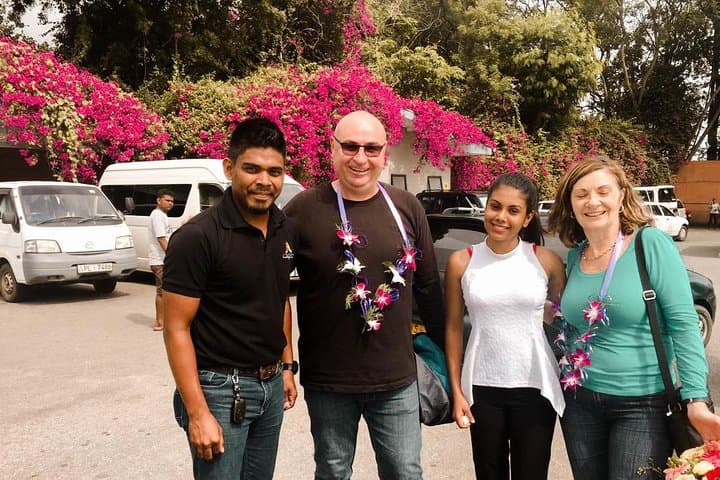
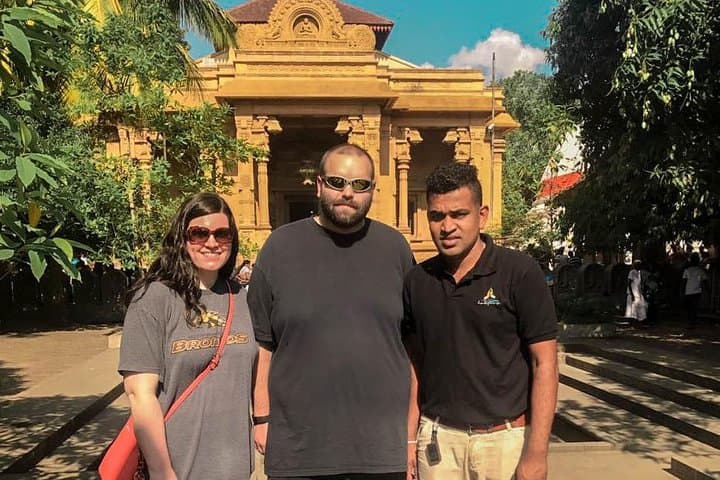
You step off the van and the air smells like salt and spices — Colombo’s late-afternoon heat pressing against your shirt as palms whisper along Galle Face Green. Over ten days this private tour becomes a slow, deliberate tracing of Sri Lanka’s spine: from the coral-edged bays of the north and east to the scrub and tank-country where elephants gather, and up the iron face of Sigiriya where stone remembers dynasties.
Verified experiences and guided adventures in the surrounding area.
Operated by Lakpura LLC · Colombo, Western Province
You step off the van and the air smells like salt and spices — Colombo’s late-afternoon heat pressing against your shirt as palms whisper along Galle Face Green. Over ten days this private tour becomes a slow, deliberate tracing of Sri Lanka’s spine: from the coral-edged bays of the north and east to the scrub and tank-country where elephants gather, and up the iron face of Sigiriya where stone remembers dynasties.
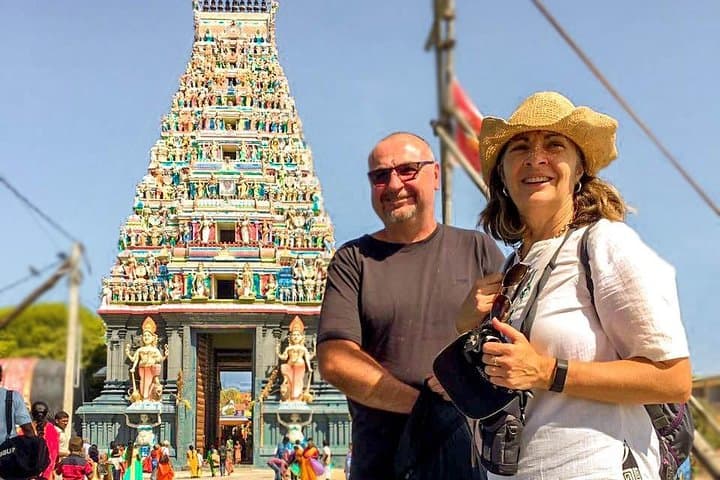
Daylight on Negombo’s beaches exposes a different history: overturned fishing boats and nets drying under the sun, a living industry whose rhythms predate colonial maps. In Jaffna your guide walks you through narrow streets and centuries of Tamil architecture — Nainativu’s temple tiles reflect stories of trade and myth. A boat ride to Nagadeepa Island feels cinematic; the shrine there is an island pause where Buddha is said to have set foot on Sri Lanka.
Trincomalee’s rocky promontories (and the ruined Koneswaram stones now embedded in Fort Frederick) show how the sea has both fed and scarred the island. Offshore, Pigeon Island’s reef bows and folds with life: parrotfish, branching corals and the occasional reef shark that will test your attention beneath the waves.
Inland, the landscape changes from coconut fringe to scrubby dry-zone forest and then to the carved terraces of Polonnaruwa — a medieval capital where kings engineered water across plains. On a Minneriya safari the land stages its own drama: elephants funnel toward dwindling lakes, the “Great Gathering” an elemental behaviour shaped by seasons and thirst.
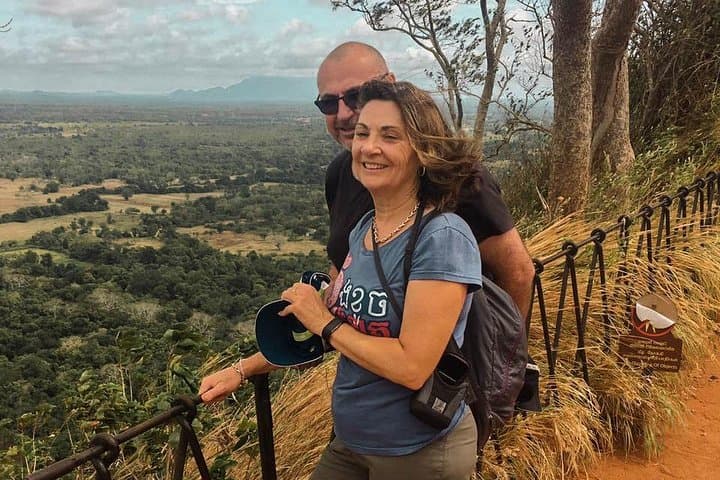
Sigiriya obliges a different pace. The climb is a choreography of metal stairs and ancient masonry; murals peer from shaded rock, cisterns still hold rainwater. Dambulla’s cave temple holds centuries of Buddhist devotion in painted walls and a chambered hush.
Practical details: the tour is private and fully guided with chauffeur service; entrance fees and domestic flights are not included. Expect transfers of several hours between regions — Sri Lanka’s charm is partly the drive. Walks range from easy village strolls to a steep, exposed climb at Sigiriya; bring footwear with grip and a light daypack. Weather varies: coastal wind and sun, inland heat and dry dust; plan sun protection and a reusable water bottle. Respect temple dress codes (cover shoulders and knees) and give wildlife distance — park guides enforce limits but animals decide their own tempo.
This itinerary folds heritage, wildlife, and sea into one coherent arc — a country-sized loop that teaches how ocean routes, ancient irrigation, and perennial devotion shaped modern Sri Lanka. For travelers who want variety without scrambling logistics, it’s a compact, well-paced primer on the island’s most compelling experiences.
moderate.
10 days.
Suitable for travelers in average fitness — expect several long drives, short hikes, and one steep climb at Sigiriya.
No — entrance fees for sites like Sigiriya, Dambulla and national parks are typically paid on arrival and are not included in the base price.
Yes — the itinerary is run as a private tour with an English-speaking chauffeur-guide and transport in a private vehicle.
You have a strong chance during the dry season (May–October) when the Great Gathering occurs, but wildlife sightings cannot be guaranteed.
Yes — Pigeon Island offers shallow reef areas suitable for snorkelers with basic swimming ability; guides can advise on conditions.
Yes — pickup from Colombo hotels within ~5 km of Galle Face Green is available; confirm pickup point when booking.
Meals are not detailed as inclusions; you’ll have opportunities for home-cooked village lunches and local restaurants but check booking details for meal coverage.
This loop threads sites from ancient kingdoms (Polonnaruwa, Sigiriya) to colonial forts (Trincomalee), reflecting layers of South Asian trade, irrigation engineering and religious interchange.
Coral reefs around Pigeon Island are fragile; choose operators who follow reef-safe practices and avoid touching corals. Minimize plastic waste and use refillable water containers during safaris and beach days.
Lakpura LLC operates guided outdoor trips and adventures with an emphasis on safety, stewardship, and memorable experiences.
You step off the van and the air smells like salt and spices — Colombo’s late-afternoon heat pressing against your shirt as palms whisper along Galle Face Green. Over ten days this private tour becomes a slow, deliberate tracing of Sri Lanka’s spine: from the coral-edged bays of the north and east to the scrub and tank-country where elephants gather, and up the iron face of Sigiriya where stone remembers dynasties.
You step off the van and the air smells like salt and spices — Colombo’s late-afternoon heat pressing against your shirt as palms whisper along Galle Face Green. Over ten days this private tour becomes a slow, deliberate tracing of Sri Lanka’s spine: from the coral-edged bays of the north and east to the scrub and tank-country where elephants gather, and up the iron face of Sigiriya where stone remembers dynasties.
Daylight on Negombo’s beaches exposes a different history: overturned fishing boats and nets drying under the sun, a living industry whose rhythms predate colonial maps. In Jaffna your guide walks you through narrow streets and centuries of Tamil architecture — Nainativu’s temple tiles reflect stories of trade and myth. A boat ride to Nagadeepa Island feels cinematic; the shrine there is an island pause where Buddha is said to have set foot on Sri Lanka.
Trincomalee’s rocky promontories (and the ruined Koneswaram stones now embedded in Fort Frederick) show how the sea has both fed and scarred the island. Offshore, Pigeon Island’s reef bows and folds with life: parrotfish, branching corals and the occasional reef shark that will test your attention beneath the waves.
Inland, the landscape changes from coconut fringe to scrubby dry-zone forest and then to the carved terraces of Polonnaruwa — a medieval capital where kings engineered water across plains. On a Minneriya safari the land stages its own drama: elephants funnel toward dwindling lakes, the “Great Gathering” an elemental behaviour shaped by seasons and thirst.
Sigiriya obliges a different pace. The climb is a choreography of metal stairs and ancient masonry; murals peer from shaded rock, cisterns still hold rainwater. Dambulla’s cave temple holds centuries of Buddhist devotion in painted walls and a chambered hush.
Practical details: the tour is private and fully guided with chauffeur service; entrance fees and domestic flights are not included. Expect transfers of several hours between regions — Sri Lanka’s charm is partly the drive. Walks range from easy village strolls to a steep, exposed climb at Sigiriya; bring footwear with grip and a light daypack. Weather varies: coastal wind and sun, inland heat and dry dust; plan sun protection and a reusable water bottle. Respect temple dress codes (cover shoulders and knees) and give wildlife distance — park guides enforce limits but animals decide their own tempo.
This itinerary folds heritage, wildlife, and sea into one coherent arc — a country-sized loop that teaches how ocean routes, ancient irrigation, and perennial devotion shaped modern Sri Lanka. For travelers who want variety without scrambling logistics, it’s a compact, well-paced primer on the island’s most compelling experiences.