THE ADVENTURE COLLECTIVE® · Independent discovery and booking for outdoor travel

Walk a quiet Ervatão beach at night with trained guides to witness loggerhead turtles nesting. Small groups, red-light etiquette and community-led conservation make this a meaningful, low-impact wildlife experience.
Walk a quiet Ervatão beach at night with trained guides to witness loggerhead turtles nesting. Small groups, red-light etiquette and community-led conservation make this a meaningful, low-impact wildlife experience.
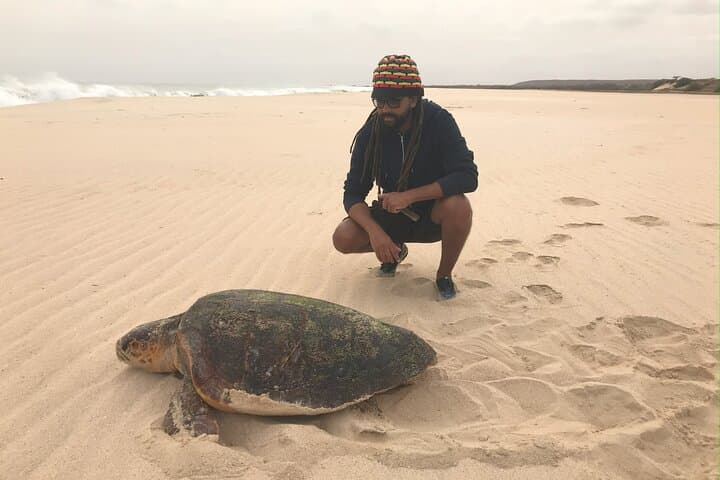
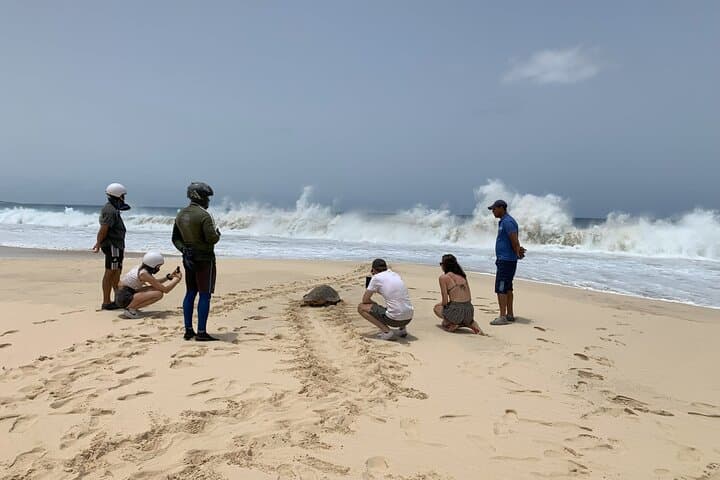
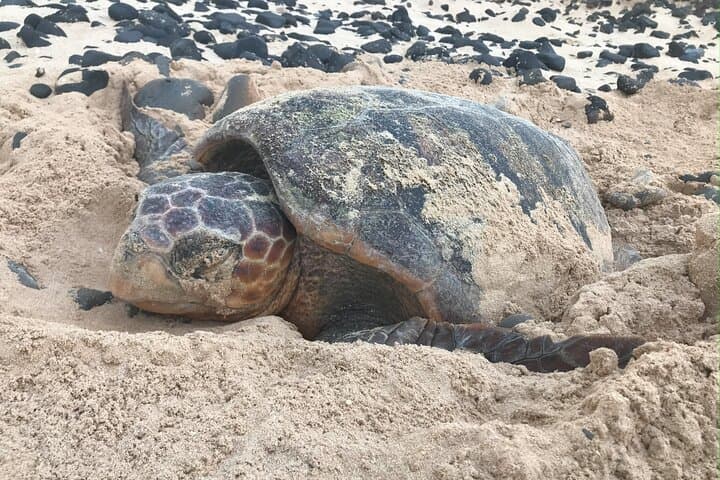
The sun slips below the western rim and the east-facing sands of Ervatão go dim; a hush falls that feels intentional, as if the ocean itself is leaning in. On this guided evening expedition, guests walk the wide black-and-gold beach under a sky bright with stars while trained guides listen for the soft, steady labor of an approaching loggerhead.
Verified experiences and guided adventures in the surrounding area.
Operated by Boavista Go - Tours & Expeditions · Ervatão (Boa Vista), Boa Vista
The sun slips below the western rim and the east-facing sands of Ervatão go dim; a hush falls that feels intentional, as if the ocean itself is leaning in. On this guided evening expedition, guests walk the wide black-and-gold beach under a sky bright with stars while trained guides listen for the soft, steady labor of an approaching loggerhead.
Boa Vista’s beaches are young in geological terms—wind-sculpted dunes over volcanic substrate—so the sand is forgiving for nesting and for human footsteps when careful. The island’s human story has shifted in recent decades from fishing and salt to conservation: local associations, international NGOs and the government now limit nightly visitors to protect nesting females and newly buried clutches.
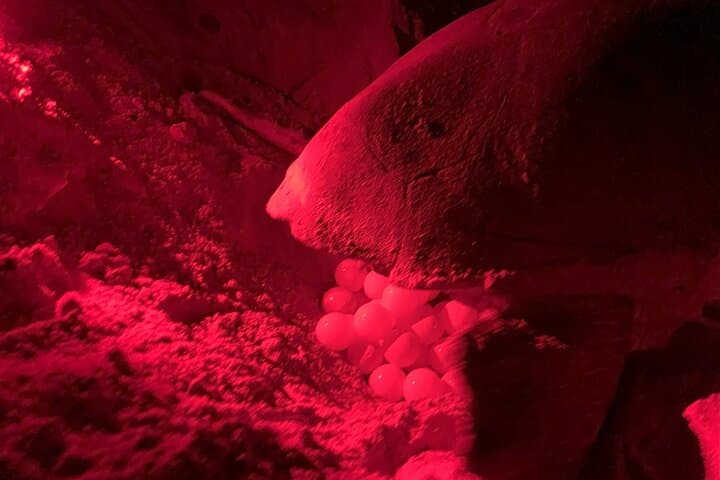
Expect to watch turtles methodically excavate, deposit, and conceal eggs by the glow of approved red lights, and to learn about incubation, hatchling timing, and community-run monitoring programs. Culture here is practical and protective; guides are often community members who balance tourism with hands-on stewardship.
Practical notes: tours run July–October when nesting is active, last about four hours, and keep groups small. Silence, distance and red-light use are non-negotiable—white lights, flash photography and touching are banned. Wear closed-toe shoes, bring a light wind layer and insect repellent, and book early—operators strictly limit guests per night. The payoff is elemental: sand, sea, and a slow-moving giant making one of the oldest rituals on earth feel immediate and urgent.
easy.
4 hours.
Suitable for most fitness levels; requires stable balance over soft sand and short night walks.
Nesting season runs roughly July through October, with peak activity in late summer — book during those months for the highest chance to see nesting females.
No — touching or interfering with nesting turtles and nests is prohibited to prevent stress and contamination; follow guide instructions at all times.
Tours are generally suitable for a wide range of ages, but the walk is on soft sand at night; participants with serious back, heart, or pregnancy restrictions should not join.
White flash and bright lights are banned; some operators permit photos using red light under guide direction, but check rules before attempting to photograph.
Boa Vista’s coastline has shifted from traditional fishing and salt harvesting to a conservation economy; local NGOs and government protections now coordinate nesting season patrols and monitoring.
Operators limit guests per night, prohibit white lights and touching, and often contribute fees or volunteer time to local turtle-protection programs to reduce human impact.
Boavista Go - Tours & Expeditions operates guided outdoor trips and adventures with an emphasis on safety, stewardship, and memorable experiences.
The sun slips below the western rim and the east-facing sands of Ervatão go dim; a hush falls that feels intentional, as if the ocean itself is leaning in. On this guided evening expedition, guests walk the wide black-and-gold beach under a sky bright with stars while trained guides listen for the soft, steady labor of an approaching loggerhead.
The sun slips below the western rim and the east-facing sands of Ervatão go dim; a hush falls that feels intentional, as if the ocean itself is leaning in. On this guided evening expedition, guests walk the wide black-and-gold beach under a sky bright with stars while trained guides listen for the soft, steady labor of an approaching loggerhead.
Boa Vista’s beaches are young in geological terms—wind-sculpted dunes over volcanic substrate—so the sand is forgiving for nesting and for human footsteps when careful. The island’s human story has shifted in recent decades from fishing and salt to conservation: local associations, international NGOs and the government now limit nightly visitors to protect nesting females and newly buried clutches.
Expect to watch turtles methodically excavate, deposit, and conceal eggs by the glow of approved red lights, and to learn about incubation, hatchling timing, and community-run monitoring programs. Culture here is practical and protective; guides are often community members who balance tourism with hands-on stewardship.
Practical notes: tours run July–October when nesting is active, last about four hours, and keep groups small. Silence, distance and red-light use are non-negotiable—white lights, flash photography and touching are banned. Wear closed-toe shoes, bring a light wind layer and insect repellent, and book early—operators strictly limit guests per night. The payoff is elemental: sand, sea, and a slow-moving giant making one of the oldest rituals on earth feel immediate and urgent.