THE ADVENTURE COLLECTIVE® · Independent discovery and booking for outdoor travel

Cross high-Atlas switchbacks, sleep under Chigaga’s dunes and walk between ochre kasbahs on a 10-day off-road journey from Marrakech. This cultural tour pairs dramatic geology with home-cooked meals and nights in Bedouin-style camps.
Cross high-Atlas switchbacks, sleep under Chigaga’s dunes and walk between ochre kasbahs on a 10-day off-road journey from Marrakech. This cultural tour pairs dramatic geology with home-cooked meals and nights in Bedouin-style camps.
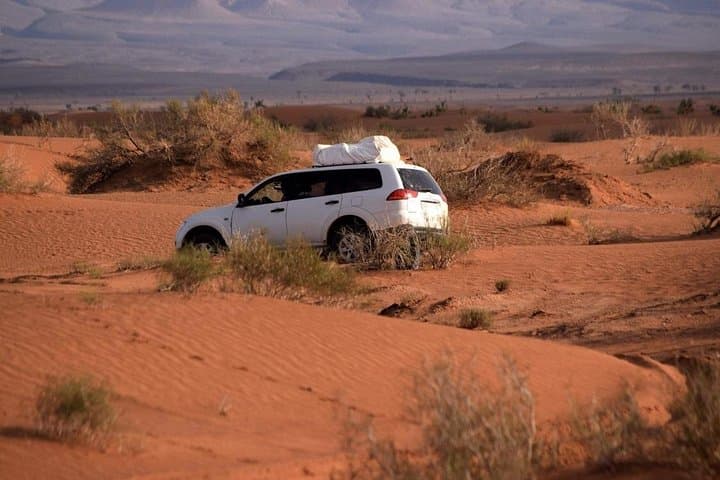
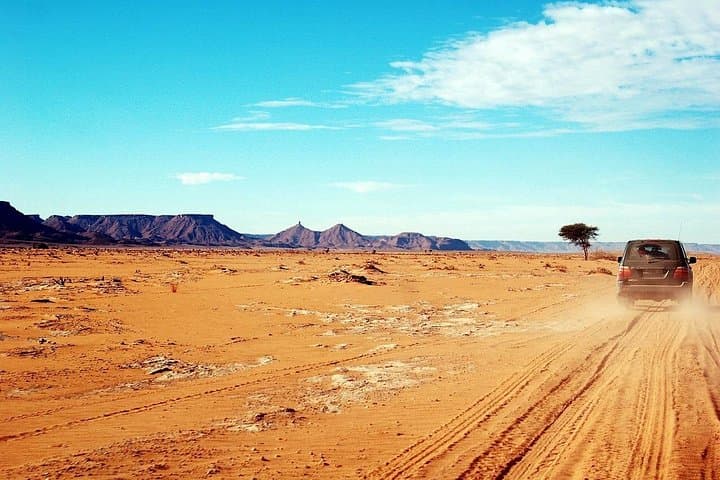
You step out of Marrakech into a ribbon of asphalt that unravels into red earth, then into salt flats and the coarse, wind-sculpted sand of Erg Chigaga. The atlas foothills give way to palm-lined oases and rust-red kasbahs; dusk stains the dunes orange and the sky opens to an impossible field of stars.
Verified experiences and guided adventures in the surrounding area.
Operated by MSITravels · M'hamid El Ghizlane, Drâa-Tafilalet
You step out of Marrakech into a ribbon of asphalt that unravels into red earth, then into salt flats and the coarse, wind-sculpted sand of Erg Chigaga. The atlas foothills give way to palm-lined oases and rust-red kasbahs; dusk stains the dunes orange and the sky opens to an impossible field of stars.
This route follows ancient caravan corridors and later French colonial roads that threaded southern Morocco. Geology alternates between travertine bridges like Imi n’Ifri, limestone gorges at Todgha, and vast sand seas where dunes shift with each season’s wind. Local Berber culture remains visible in kasbah architecture, saffron and rose-water stalls, and home-cooked tagines shared around low tables.
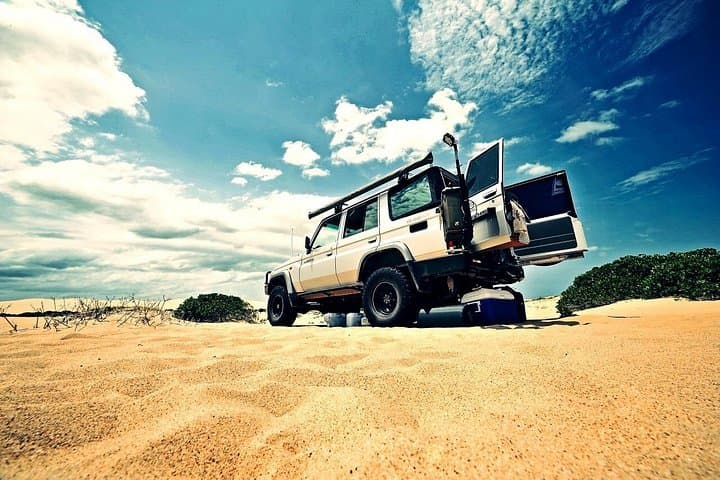
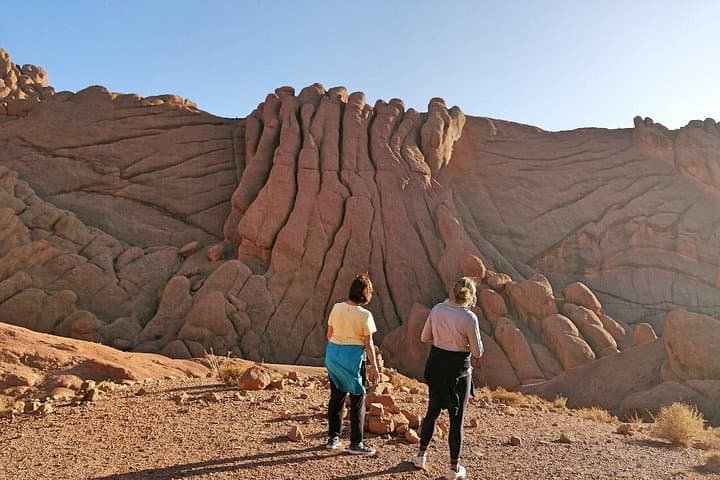
Expect long stretches driven off-road in 4x4s, short guided walks through gorges, and a night or two in Bedouin-style desert camps. Highlights include the Todgha and Dades gorges’ towering cliffs, the thousand-kasbah valley near Skoura, and Erg Chigaga’s sweeping dunescapes reached only by track. Cultural stops include Ait Ben Haddou and the Tamegroute zawiya with its historic manuscript library.
Practicals: travel light with layers for hot days and cold nights, carry at least 3 liters of water daily, and pace hikes to avoid midday heat. Wear closed shoes for rocky gorges and sand gaiters if you’ll hike dunes. Battery power is limited in remote stretches—bring spare power and cash for small purchases. Respect local customs: ask before photographing people and accept invitations to homes with humility. With basic fitness, curiosity, and a sense of adaptability, this 10-day circuit delivers both dramatic landscapes and intimate cultural encounters.
moderate.
10 days.
Light to moderate fitness for short hikes, climbing in gorges and coping with heat; long drives require tolerance for bumpy off-road sections.
Erg Chigaga is remote and reached by 4x4 over unsealed tracks; nights are typically in Bedouin-style tents with basic facilities—expect simple bedding and shared ablutions.
Most meals listed in the itinerary are included: breakfasts, several lunches and dinners; expect traditional Moroccan dishes prepared in homes, riads and camp kitchens with local ingredients.
The tour involves uneven surfaces, steps in kasbahs and dune walking; while vehicles are wheelchair accessible for transfers, much of the program is not recommended for serious mobility limitations.
Spring and autumn offer the most comfortable temperatures for desert and high-Atlas passes; summers are very hot and winters can be cold at night and rainy in the mountains.
This route follows historical caravan corridors and later colonial-era roads; kasbahs were both family fortresses and trade-control posts along trans-Saharan routes.
Desert crusts and oasis ecosystems are fragile—stick to tracks, avoid collecting plants or artifacts, and limit water use; support local communities by using licensed guides and buying local crafts.
MSITravels operates guided outdoor trips and adventures with an emphasis on safety, stewardship, and memorable experiences.
You step out of Marrakech into a ribbon of asphalt that unravels into red earth, then into salt flats and the coarse, wind-sculpted sand of Erg Chigaga. The atlas foothills give way to palm-lined oases and rust-red kasbahs; dusk stains the dunes orange and the sky opens to an impossible field of stars.
You step out of Marrakech into a ribbon of asphalt that unravels into red earth, then into salt flats and the coarse, wind-sculpted sand of Erg Chigaga. The atlas foothills give way to palm-lined oases and rust-red kasbahs; dusk stains the dunes orange and the sky opens to an impossible field of stars.
This route follows ancient caravan corridors and later French colonial roads that threaded southern Morocco. Geology alternates between travertine bridges like Imi n’Ifri, limestone gorges at Todgha, and vast sand seas where dunes shift with each season’s wind. Local Berber culture remains visible in kasbah architecture, saffron and rose-water stalls, and home-cooked tagines shared around low tables.
Expect long stretches driven off-road in 4x4s, short guided walks through gorges, and a night or two in Bedouin-style desert camps. Highlights include the Todgha and Dades gorges’ towering cliffs, the thousand-kasbah valley near Skoura, and Erg Chigaga’s sweeping dunescapes reached only by track. Cultural stops include Ait Ben Haddou and the Tamegroute zawiya with its historic manuscript library.
Practicals: travel light with layers for hot days and cold nights, carry at least 3 liters of water daily, and pace hikes to avoid midday heat. Wear closed shoes for rocky gorges and sand gaiters if you’ll hike dunes. Battery power is limited in remote stretches—bring spare power and cash for small purchases. Respect local customs: ask before photographing people and accept invitations to homes with humility. With basic fitness, curiosity, and a sense of adaptability, this 10-day circuit delivers both dramatic landscapes and intimate cultural encounters.