THE ADVENTURE COLLECTIVE® · Independent discovery and booking for outdoor travel

Ride into the vast Erg Chigaga dunes on a seven-day camel trek from Marrakech. Expect long desert days, starlit camps, and cultural encounters with local nomad traditions.
Ride into the vast Erg Chigaga dunes on a seven-day camel trek from Marrakech. Expect long desert days, starlit camps, and cultural encounters with local nomad traditions.
The first time you crest a dune at dusk in Erg Chigaga the desert changes shape beneath your feet: wind-creased ridgelines throw long shadows, and a sky larger than a city opens above. Camels plod along a finger of the Sahara while the guide reads the land the way a sailor reads the sea. Overnight camps sit low in hollows; at night the dunes breathe and the stars feel within reach.
Verified experiences and guided adventures in the surrounding area.
Operated by View Morocco - DMC Adventure Travel Company · M'Hamid El Ghizlane, Drâa-Tafilalet
The first time you crest a dune at dusk in Erg Chigaga the desert changes shape beneath your feet: wind-creased ridgelines throw long shadows, and a sky larger than a city opens above. Camels plod along a finger of the Sahara while the guide reads the land the way a sailor reads the sea. Overnight camps sit low in hollows; at night the dunes breathe and the stars feel within reach.
This route follows traditional caravan corridors south from the Drâa Valley toward M'Hamid and into the great sand sea of Chigaga, where dunes reach several hundred metres. The geology is simple and stark — wind-sorted sand and interdunal sabkhas — but the landscape is layered with human history: nomadic Berber routes, seasonal oases, and small settlements that have traded with caravans for centuries. Culture here centers on hospitality, mint tea rituals and campfire music, and the palm groves at Oued Naam and the Sacred Oasis still support pastoral life.
Expect long days astride camels or walking (3–6 hours daily), sandy terrain, and hot daytime temperatures with cold nights. Water is scarce; guides ration supplies and know where year-round springs survive.
Practical essentials: break in sturdy shoes, use a wide-brim hat and high-SPF sunscreen, carry a daypack with water and layers, and time travel around dawn or late afternoon to avoid peak heat. If you have back problems or cardiovascular concerns, choose a vehicle transfer rather than full camel days. The payoff is elemental: sunsets that paint the dunes in copper and silence that sharpens every footfall.
moderate.
7–8 days.
Recommended: moderate endurance—able to sit on a camel for hours, walk 3–6 hours daily over sand, and manage basic camp routines.
Daily riding is generally gentle but lasts several hours; you can switch between riding and walking on many sections—moderate fitness recommended.
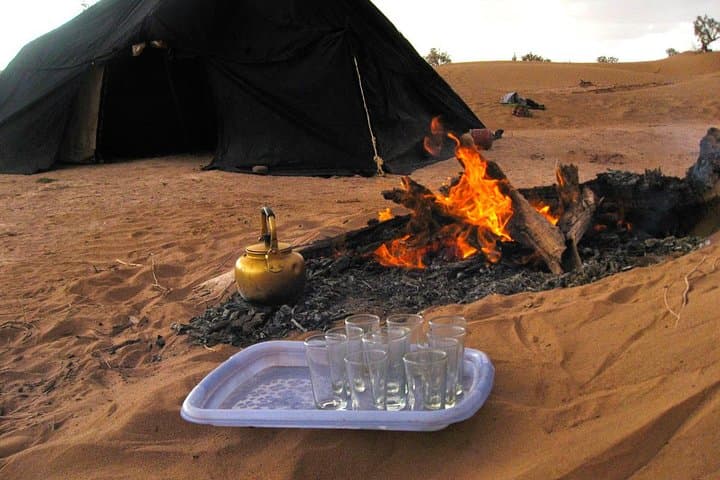
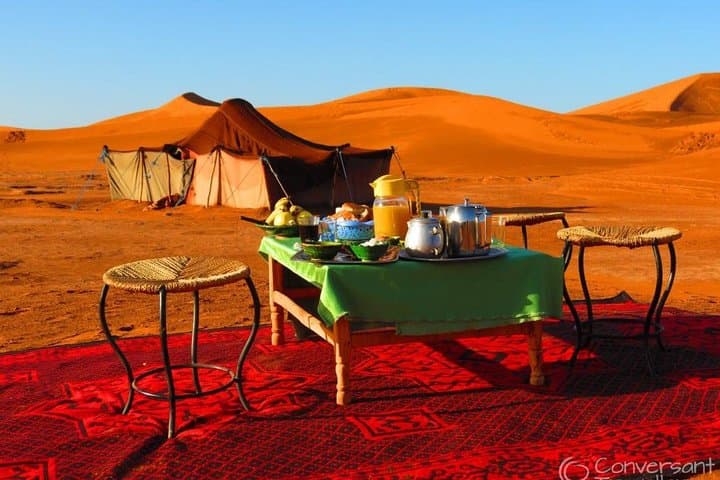
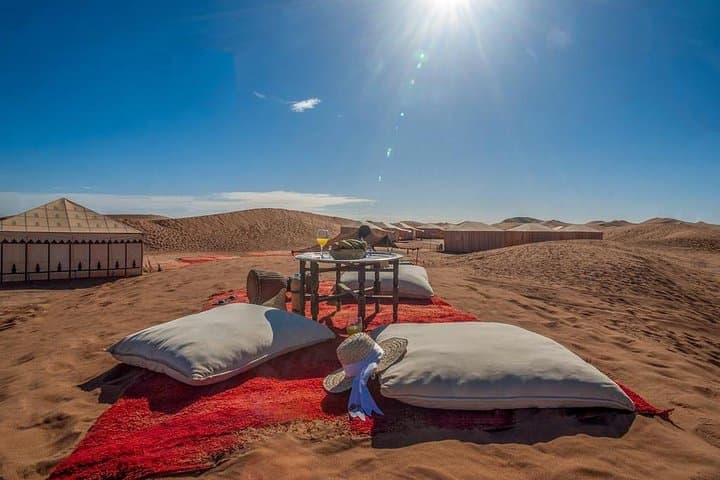
Camps are traditional desert tents with basic bedding; some nights may offer private tents while others are simple shared camp setups depending on the operator.
No—altitude is not a factor; the main challenges are heat, sand, and remote logistics rather than elevation.
This trip is not recommended for people with spinal or significant back issues; inquire about vehicle transfers for parts of the route if needed.
The Drâa-M'Hamid corridor has long been part of south Moroccan caravan and nomadic routes connecting Saharan trade lines and sustaining palm groves and seasonal settlements.
The dune system is ecologically fragile; stick to established camp sites, avoid driving on vegetated interdunes, and pack out waste to protect scarce water sources.
View Morocco - DMC Adventure Travel Company operates guided outdoor trips and adventures with an emphasis on safety, stewardship, and memorable experiences.
The first time you crest a dune at dusk in Erg Chigaga the desert changes shape beneath your feet: wind-creased ridgelines throw long shadows, and a sky larger than a city opens above. Camels plod along a finger of the Sahara while the guide reads the land the way a sailor reads the sea. Overnight camps sit low in hollows; at night the dunes breathe and the stars feel within reach.
The first time you crest a dune at dusk in Erg Chigaga the desert changes shape beneath your feet: wind-creased ridgelines throw long shadows, and a sky larger than a city opens above. Camels plod along a finger of the Sahara while the guide reads the land the way a sailor reads the sea. Overnight camps sit low in hollows; at night the dunes breathe and the stars feel within reach.
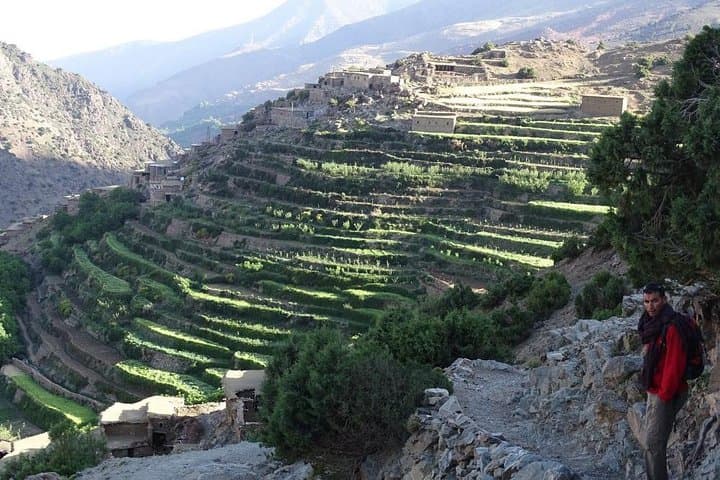
This route follows traditional caravan corridors south from the Drâa Valley toward M'Hamid and into the great sand sea of Chigaga, where dunes reach several hundred metres. The geology is simple and stark — wind-sorted sand and interdunal sabkhas — but the landscape is layered with human history: nomadic Berber routes, seasonal oases, and small settlements that have traded with caravans for centuries. Culture here centers on hospitality, mint tea rituals and campfire music, and the palm groves at Oued Naam and the Sacred Oasis still support pastoral life.
Expect long days astride camels or walking (3–6 hours daily), sandy terrain, and hot daytime temperatures with cold nights. Water is scarce; guides ration supplies and know where year-round springs survive.
Practical essentials: break in sturdy shoes, use a wide-brim hat and high-SPF sunscreen, carry a daypack with water and layers, and time travel around dawn or late afternoon to avoid peak heat. If you have back problems or cardiovascular concerns, choose a vehicle transfer rather than full camel days. The payoff is elemental: sunsets that paint the dunes in copper and silence that sharpens every footfall.