THE ADVENTURE COLLECTIVE® · Independent discovery and booking for outdoor travel

A compact, 3-day journey from Marrakech to the dunes of Erg Chebbi featuring a sunset camel ride, an overnight desert camp, and sunrise over dune peaks. Expect long drives between highlights, Berber hospitality, and dynamic temperature swings between day and night.
A compact, 3-day journey from Marrakech to the dunes of Erg Chebbi featuring a sunset camel ride, an overnight desert camp, and sunrise over dune peaks. Expect long drives between highlights, Berber hospitality, and dynamic temperature swings between day and night.
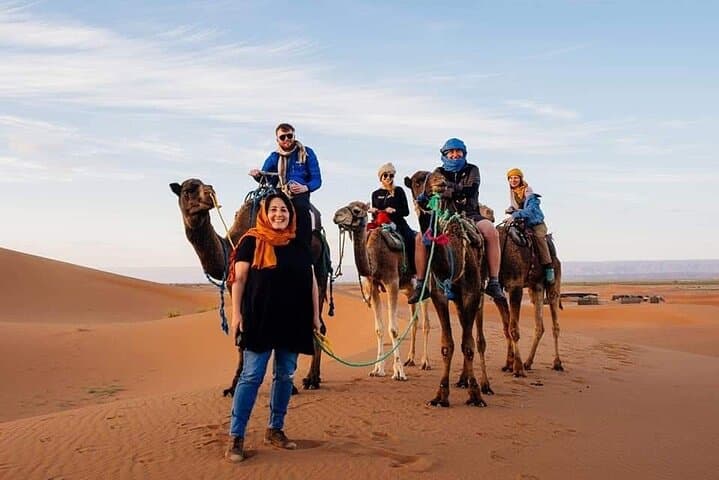
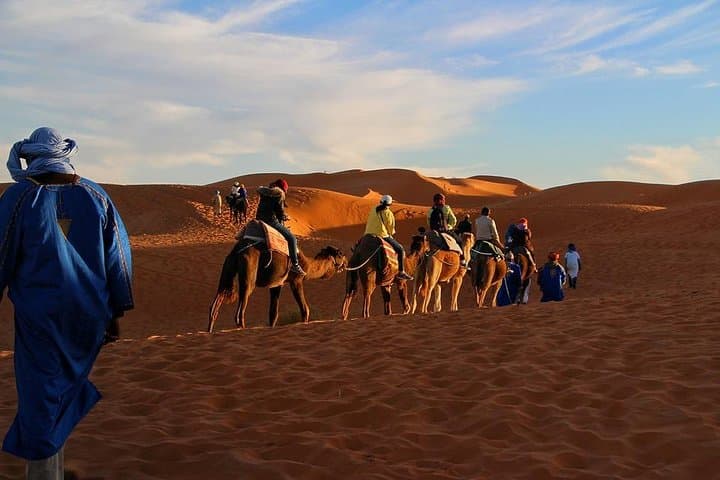
The sun drops like a curtain behind the dunes of Erg Chebbi, and your camel’s steady tread becomes the only clock. Sand crests catch the last pink light as musicians tune up at the camp — a clear, dry sky above and a ring of low tents keyed to the dunes’ rhythm.
Verified experiences and guided adventures in the surrounding area.
Operated by Nomads Berber Tours · Merzouga, Drâa-Tafilalet
The sun drops like a curtain behind the dunes of Erg Chebbi, and your camel’s steady tread becomes the only clock. Sand crests catch the last pink light as musicians tune up at the camp — a clear, dry sky above and a ring of low tents keyed to the dunes’ rhythm.
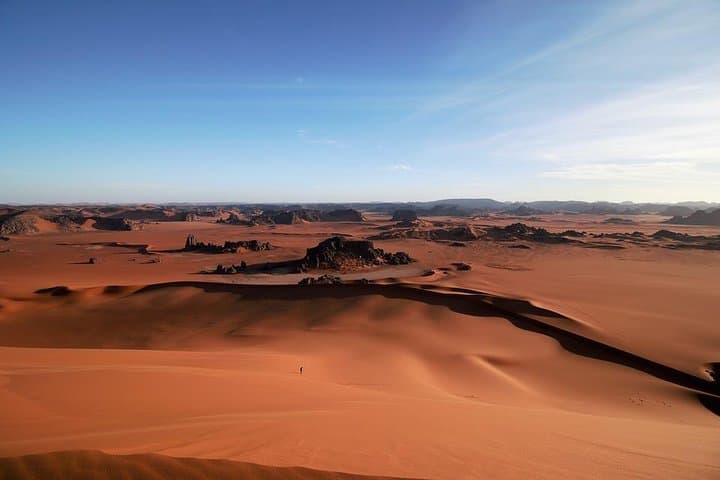
This three-day loop begins in Marrakech and threads across the High Atlas via the Tizi n’Tichka pass, past fortified kasbahs at Ait Ben Haddou and the film-friendly gates of Ouarzazate, then down into the gorges and saffron- and fossil-rich plains near Merzouga. Geologically, Erg Chebbi is a swept sea of sand formed by wind-driven saltation; some dunes here crest at roughly 100–150 m. The Todra Gorges chop the landscape into 300 m limestone walls, and nearby Erfoud reveals marine fossils from when this region lay under a prehistoric sea.
Culturally the region is Berber country: expect evening drums, mint tea, and campsite hospitality that mixes practical comfort with local rhythms. The camel ride to the desert camp is roughly 1.5 hours at sunset; wake before dawn to climb a dune for sunrise photos.
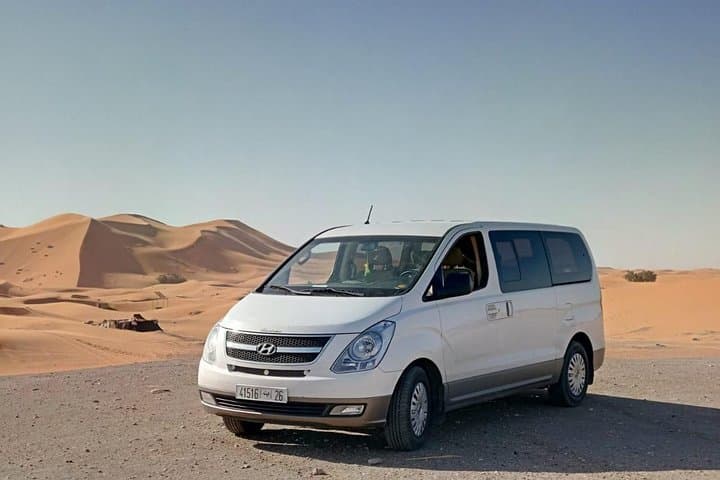
Practical guidance: this is a long-drive itinerary (multiple 4–6 hour legs) so bring layered clothing for hot days and cold nights, 2–3 L water per day, sun protection, and sturdy boots for dune climbs. Camps have basic facilities; keep valuables sealed from blowing sand. Book with a company offering clear pickup details and a 24‑hour cancellation window to keep plans flexible.
moderate.
3 days.
Reasonable endurance for long vehicle days plus short dune climbs and a 1.5-hour camel ride; comfortable walking and balance helpful.
The typical camel trek from the edge of Merzouga to the desert camp is about 1.5 hours at a slow, comfortable pace timed for sunset.
Yes — lunches and breakfasts are included per the itinerary and one traditional dinner is served at the desert camp with local music.
The tour is labeled suitable for all fitness levels, but camel mounts and sand walking can be challenging; check mobility needs with the operator and request assistive arrangements if needed.
Camps offer basic private or shared tent accommodation and simple restroom facilities; amenities vary by operator—confirm tent type (communal or private) when booking.
The caravan routes crossing this region connected Saharan trade networks for centuries; Ait Ben Haddou is a UNESCO ksar that marks the western edge of those routes.
Fragile desert soils and sparse vegetation are easily damaged by vehicle tracks and litter—stick to marked tracks, avoid off-road driving near dunes, and pack out waste.
Nomads Berber Tours operates guided outdoor trips and adventures with an emphasis on safety, stewardship, and memorable experiences.
The sun drops like a curtain behind the dunes of Erg Chebbi, and your camel’s steady tread becomes the only clock. Sand crests catch the last pink light as musicians tune up at the camp — a clear, dry sky above and a ring of low tents keyed to the dunes’ rhythm.
The sun drops like a curtain behind the dunes of Erg Chebbi, and your camel’s steady tread becomes the only clock. Sand crests catch the last pink light as musicians tune up at the camp — a clear, dry sky above and a ring of low tents keyed to the dunes’ rhythm.
This three-day loop begins in Marrakech and threads across the High Atlas via the Tizi n’Tichka pass, past fortified kasbahs at Ait Ben Haddou and the film-friendly gates of Ouarzazate, then down into the gorges and saffron- and fossil-rich plains near Merzouga. Geologically, Erg Chebbi is a swept sea of sand formed by wind-driven saltation; some dunes here crest at roughly 100–150 m. The Todra Gorges chop the landscape into 300 m limestone walls, and nearby Erfoud reveals marine fossils from when this region lay under a prehistoric sea.
Culturally the region is Berber country: expect evening drums, mint tea, and campsite hospitality that mixes practical comfort with local rhythms. The camel ride to the desert camp is roughly 1.5 hours at sunset; wake before dawn to climb a dune for sunrise photos.
Practical guidance: this is a long-drive itinerary (multiple 4–6 hour legs) so bring layered clothing for hot days and cold nights, 2–3 L water per day, sun protection, and sturdy boots for dune climbs. Camps have basic facilities; keep valuables sealed from blowing sand. Book with a company offering clear pickup details and a 24‑hour cancellation window to keep plans flexible.