THE ADVENTURE COLLECTIVE® · Independent discovery and booking for outdoor travel

A short transfer from Naples opens onto the compact, exceptionally preserved Roman town of Herculaneum. This guided day trip delivers concentrated history, volcanic geology and first-rate ruins in about 90 minutes on site.
A short transfer from Naples opens onto the compact, exceptionally preserved Roman town of Herculaneum. This guided day trip delivers concentrated history, volcanic geology and first-rate ruins in about 90 minutes on site.
The minivan slips out of Naples and the city’s heat gives way to the low profile of Vesuvius, its grey cone watching as you descend toward the bay. Within minutes the modern traffic thins and the air tastes slightly saltier—the ancient town of Herculaneum sits where the sea once lapped its edges. Stepping into the archaeological park is like walking into a paused day: stone streets, charcoal-blackened beams and the dark hollows of former homes point to lives interrupted in 79 AD.
Verified experiences and guided adventures in the surrounding area.
Operated by Campania Visits and Tours · Ercolano, Campania
The minivan slips out of Naples and the city’s heat gives way to the low profile of Vesuvius, its grey cone watching as you descend toward the bay. Within minutes the modern traffic thins and the air tastes slightly saltier—the ancient town of Herculaneum sits where the sea once lapped its edges. Stepping into the archaeological park is like walking into a paused day: stone streets, charcoal-blackened beams and the dark hollows of former homes point to lives interrupted in 79 AD.
Herculaneum was a compact, upscale Roman town—favored villas, fine mosaics and the famous Villa of the Papyri—buried quickly by pyroclastic flows rather than ash, which allowed exceptional preservation of wood, roofs and organic materials. Rediscovered in the 18th century, the site gives a clearer view of domestic Roman life than its larger neighbor Pompeii. Geology and history are visible together here: tufa and volcanic breccia keep the town sealed, while modern conservation fights salt and humidity.
Practically, this day trip from Naples is short and precise: a 15–30 minute transfer, followed by about 90 minutes on foot among narrow alleys and stepped thresholds. Wear sturdy shoes and sun protection—the stone absorbs heat—and move deliberately; many areas are uneven and low-lit. Guided options add context on architecture, funerary practices and the Villa of the Papyri’s scrolls. Photography is allowed, but stay on marked paths to protect fragile surfaces. With a late-afternoon or morning visit you’ll avoid the hottest light and have clearer views of Vesuvius framing the ruins.
easy.
2–3 hours.
Suitable for light fitness—participants should be comfortable walking for up to 90 minutes on uneven ground.
This tour lists the Herculaneum entrance fee as included; confirm at booking and keep your mobile ticket accessible.
Expect about 90 minutes on-site—enough time for a focused guided walk or a self-directed visit of the main streets and highlighted houses.
Herculaneum has uneven ancient pavements, steps and narrow passages; accessibility is limited and not recommended for standard wheelchairs.
Some combined tours stop at Pompeii, but this itinerary focuses on Herculaneum; check the booking details if you want both sites.
Herculaneum was a prosperous Roman coastal town consumed by Vesuvius’s pyroclastic flows in 79 AD and rediscovered in the 18th century, revealing unusually preserved organic materials and domestic architecture.
The site faces challenges from humidity and salt; conservation efforts limit access to vulnerable areas and require visitors to stay on marked routes to reduce wear.
Campania Visits and Tours operates guided outdoor trips and adventures with an emphasis on safety, stewardship, and memorable experiences.
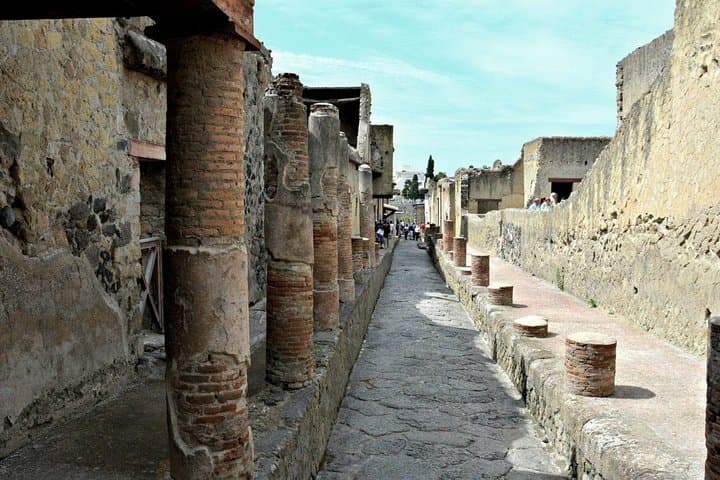
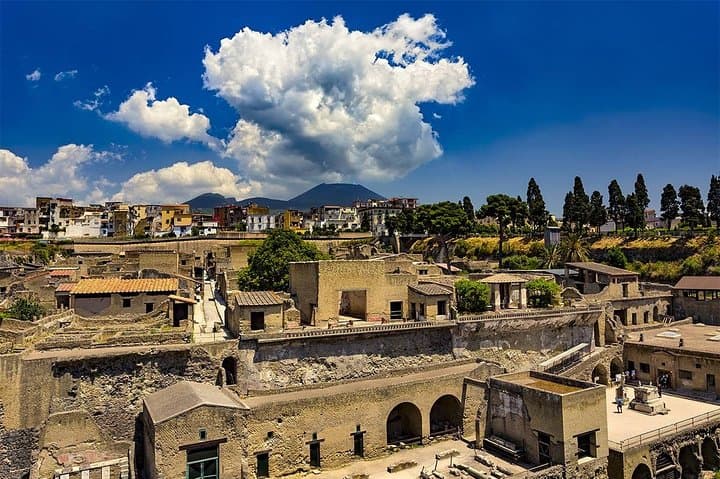
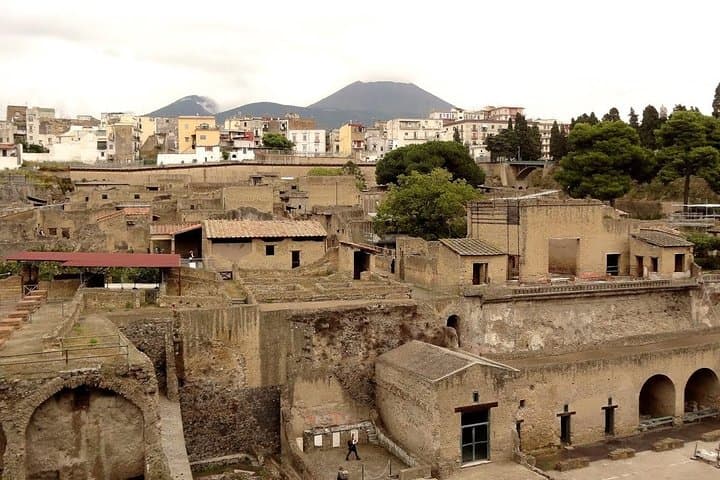
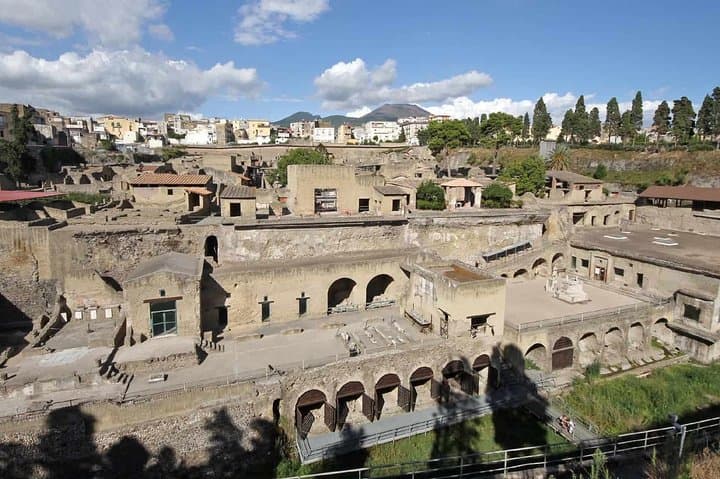
The minivan slips out of Naples and the city’s heat gives way to the low profile of Vesuvius, its grey cone watching as you descend toward the bay. Within minutes the modern traffic thins and the air tastes slightly saltier—the ancient town of Herculaneum sits where the sea once lapped its edges. Stepping into the archaeological park is like walking into a paused day: stone streets, charcoal-blackened beams and the dark hollows of former homes point to lives interrupted in 79 AD.
The minivan slips out of Naples and the city’s heat gives way to the low profile of Vesuvius, its grey cone watching as you descend toward the bay. Within minutes the modern traffic thins and the air tastes slightly saltier—the ancient town of Herculaneum sits where the sea once lapped its edges. Stepping into the archaeological park is like walking into a paused day: stone streets, charcoal-blackened beams and the dark hollows of former homes point to lives interrupted in 79 AD.
Herculaneum was a compact, upscale Roman town—favored villas, fine mosaics and the famous Villa of the Papyri—buried quickly by pyroclastic flows rather than ash, which allowed exceptional preservation of wood, roofs and organic materials. Rediscovered in the 18th century, the site gives a clearer view of domestic Roman life than its larger neighbor Pompeii. Geology and history are visible together here: tufa and volcanic breccia keep the town sealed, while modern conservation fights salt and humidity.
Practically, this day trip from Naples is short and precise: a 15–30 minute transfer, followed by about 90 minutes on foot among narrow alleys and stepped thresholds. Wear sturdy shoes and sun protection—the stone absorbs heat—and move deliberately; many areas are uneven and low-lit. Guided options add context on architecture, funerary practices and the Villa of the Papyri’s scrolls. Photography is allowed, but stay on marked paths to protect fragile surfaces. With a late-afternoon or morning visit you’ll avoid the hottest light and have clearer views of Vesuvius framing the ruins.