THE ADVENTURE COLLECTIVE® · Independent discovery and booking for outdoor travel

Work with gentle horses in a non-riding coaching session designed to build confidence, assertiveness and emotional clarity. Held in a corral setting, the experience uses equine behavior as real-time feedback to help participants practice boundaries and decision-making.
Work with gentle horses in a non-riding coaching session designed to build confidence, assertiveness and emotional clarity. Held in a corral setting, the experience uses equine behavior as real-time feedback to help participants practice boundaries and decision-making.
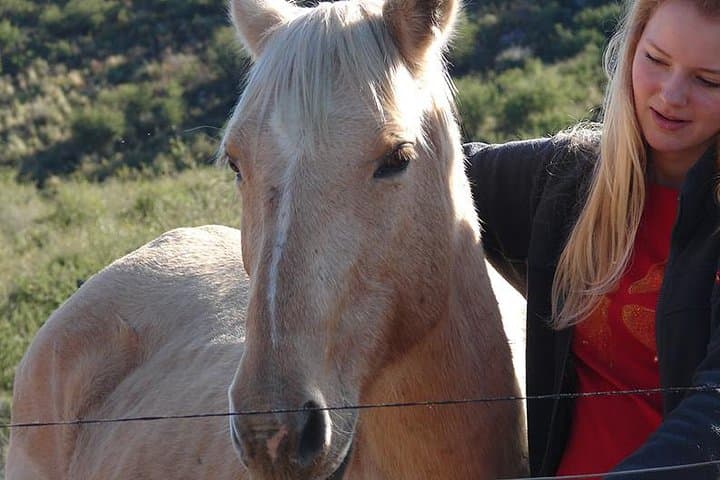
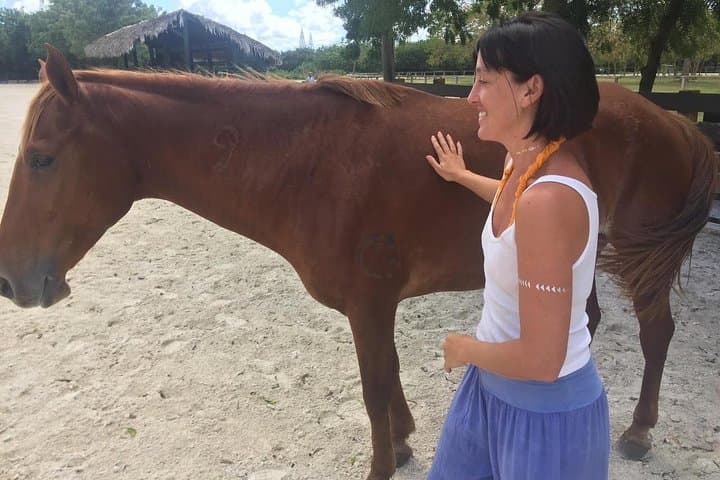
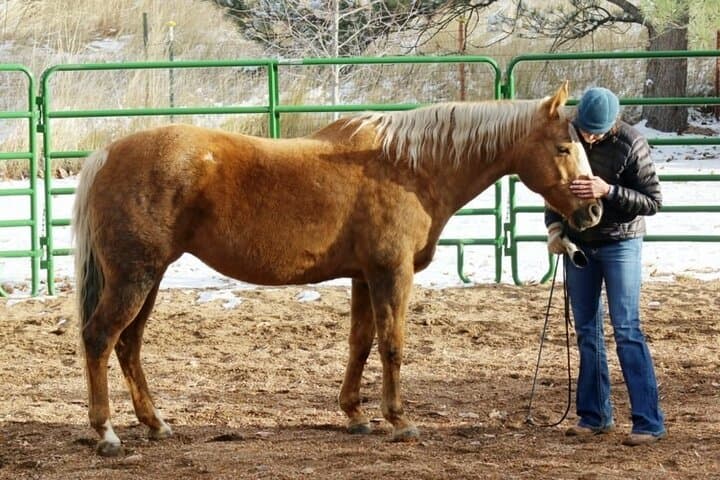
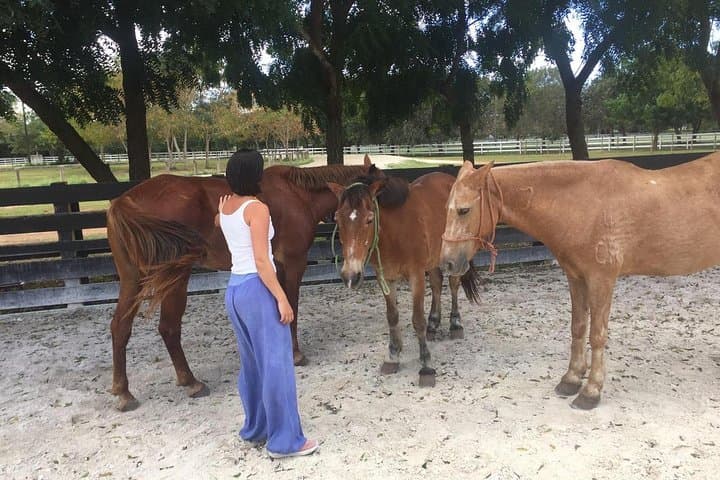
The corral opens like a threshold between pace and pause: sun warms the wood rails, a gentle horse lifts its head and studies you as if cataloguing intention. This is not a riding lesson but a guided coaching session where horses become mirror and meter — their posture, breathing and choices reflect your presence and decision-making.
Verified experiences and guided adventures in the surrounding area.
Operated by Xperience by Horse · Santo Domingo, Distrito Nacional
The corral opens like a threshold between pace and pause: sun warms the wood rails, a gentle horse lifts its head and studies you as if cataloguing intention. This is not a riding lesson but a guided coaching session where horses become mirror and meter — their posture, breathing and choices reflect your presence and decision-making.
Horses arrived in the Caribbean with Spanish colonists and became woven into rural life; here they serve a newer role as partners in emotional learning. The flat, sandy corrals typical near coastal towns offer clear sightlines and calm footing, while the coastal plains’ limestone under the topsoil keeps surfaces firm underfoot. Sessions emphasize nonverbal communication: approaching, setting boundaries, and reading animal responses — skills transferable to leadership, relationships and confidence.
Culturally, the Dominican Republic blends Taíno, Spanish and African influences; coaching tends to lean practical and relational rather than ceremonial. Expect small-group or private formats, facilitators who combine psychology and horsemanship principles, and gentle, well-handled horses trained for human interaction.
Practical guidance: arrive hydrated, in closed-toe shoes and lightweight clothing you don’t mind getting dusty. Plan for a roughly four-hour block including briefing and debriefing, and allow time afterward to reflect. If you have mobility limits, check accessibility and disclose any health issues in advance. Sessions avoid mounting but require steady standing and calm, clear intent.
This is an experiential, low-impact way to work on assertiveness and presence with animals that respond honestly — and will reward patience, curiosity and respect.
easy.
4 hours.
Suitable for most fitness levels—requires standing, walking on flat terrain and engaging in guided exercises.
No—these sessions are non-riding and focus on ground-based interaction; no equestrian experience is required.
Programs typically welcome teenagers, adults and families; check booking rules for minimum age requirements for specific sessions.
Reputable operators use gentle, trained horses and limit stressful handling; ask the provider about care routines and session pacing before booking.
Share health conditions, pregnancy, recent surgeries or mobility limits so facilitators can modify activities to keep you and the horses safe.
Horses were brought to Hispaniola by Spanish colonists and became integral to rural transport and agriculture; today they're increasingly used in therapeutic and coaching contexts.
Choose providers who prioritize low-stress animal handling, natural forage management and support local communities to minimize environmental and social impact.
Xperience by Horse operates guided outdoor trips and adventures with an emphasis on safety, stewardship, and memorable experiences.
The corral opens like a threshold between pace and pause: sun warms the wood rails, a gentle horse lifts its head and studies you as if cataloguing intention. This is not a riding lesson but a guided coaching session where horses become mirror and meter — their posture, breathing and choices reflect your presence and decision-making.
The corral opens like a threshold between pace and pause: sun warms the wood rails, a gentle horse lifts its head and studies you as if cataloguing intention. This is not a riding lesson but a guided coaching session where horses become mirror and meter — their posture, breathing and choices reflect your presence and decision-making.
Horses arrived in the Caribbean with Spanish colonists and became woven into rural life; here they serve a newer role as partners in emotional learning. The flat, sandy corrals typical near coastal towns offer clear sightlines and calm footing, while the coastal plains’ limestone under the topsoil keeps surfaces firm underfoot. Sessions emphasize nonverbal communication: approaching, setting boundaries, and reading animal responses — skills transferable to leadership, relationships and confidence.
Culturally, the Dominican Republic blends Taíno, Spanish and African influences; coaching tends to lean practical and relational rather than ceremonial. Expect small-group or private formats, facilitators who combine psychology and horsemanship principles, and gentle, well-handled horses trained for human interaction.
Practical guidance: arrive hydrated, in closed-toe shoes and lightweight clothing you don’t mind getting dusty. Plan for a roughly four-hour block including briefing and debriefing, and allow time afterward to reflect. If you have mobility limits, check accessibility and disclose any health issues in advance. Sessions avoid mounting but require steady standing and calm, clear intent.
This is an experiential, low-impact way to work on assertiveness and presence with animals that respond honestly — and will reward patience, curiosity and respect.