THE ADVENTURE COLLECTIVE® · Independent discovery and booking for outdoor travel

Trace the equator’s shadow, circle a volcanic crater lake and haggle for handwoven textiles on this compact, private full-day through Ecuador’s northern highlands. Expect highland air, dramatic viewpoints and artisan encounters.
Trace the equator’s shadow, circle a volcanic crater lake and haggle for handwoven textiles on this compact, private full-day through Ecuador’s northern highlands. Expect highland air, dramatic viewpoints and artisan encounters.
You step out of the van and the air is thin and cool, the Andes around you slicing a crisp horizon. First stop: the Quitsato Sundial — a wide circular mosaic that marks zero degrees latitude — where the guide explains how pre-Columbian Andean astronomers read the sun and seasons.
Verified experiences and guided adventures in the surrounding area.
Operated by LimaTours · Otavalo, Imbabura
You step out of the van and the air is thin and cool, the Andes around you slicing a crisp horizon. First stop: the Quitsato Sundial — a wide circular mosaic that marks zero degrees latitude — where the guide explains how pre-Columbian Andean astronomers read the sun and seasons.
From the equator the route climbs into rolling páramo and volcano-scarred ridgelines. Cotacachi offers a quieter rhythm: leather workshops, low plazas and views that ride the shoulders of Cotacachi Volcano. The drama tightens at Cuicocha, a volcanic caldera lake whose two islands sit like smoothed stones in deep blue water; trails along the rim deliver panoramic views and the occasional wind that seems to push you forward.
Otavalo Market is the cultural crescendo — textiles, embroidered ponchos and handmade jewelry from the Kichwa artisans of the region. A brief tasting in Cayambe at a biscuit and agave spot brings a local flavor to the route between sites.
Geologically this corridor threads young volcanic lakes, uplifted volcanic cones and highland wetlands that sustain grazing fields and birdlife. Culturally it’s an active center of Indigenous craft traditions, still sold and produced by family workshops.
Practical side: the day is long (about eight hours) and at high elevation — hydrate, dress in layers, and keep some cash for small purchases. Wear solid shoes for cobblestone streets and the crater rim, and plan for variable weather: sun one hour, drizzle the next. A bilingual guide and private transport make this an efficient introduction to Ecuador’s northern highlands.
easy.
8 hours.
Suitable for most travelers with basic mobility; expect some walking on uneven ground and brief uphill sections.
The tour runs about eight hours and typically departs from Quito with pickup and drop-off included.
The visit includes short, mostly non-technical walks along viewpoints at the crater rim; no mountaineering skills required.
(duplicate removed)
Yes—this private tour is described as physically easy and can be paced for families and older visitors, though altitude can affect comfort.
Otavalo is a center of Kichwa weaving traditions with centuries-old textile techniques; Quitsato marks the equator and highlights Indigenous astronomical knowledge.
The páramo and crater lake are sensitive ecosystems—stay on marked trails, avoid single-use plastics and support local guides who practice low-impact tourism.
LimaTours operates guided outdoor trips and adventures with an emphasis on safety, stewardship, and memorable experiences.
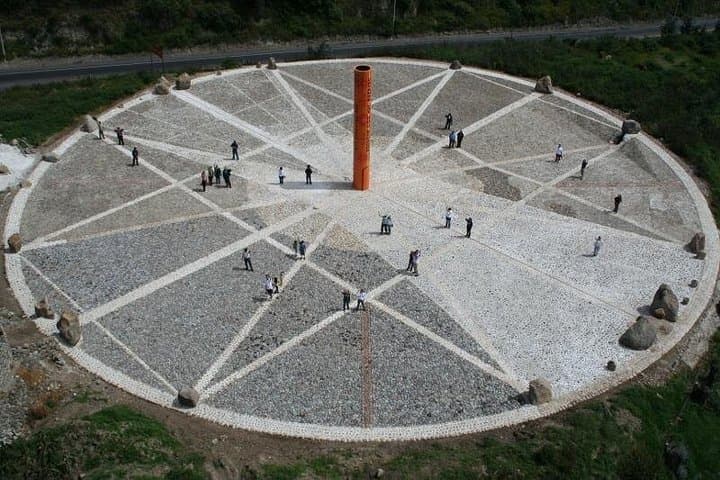
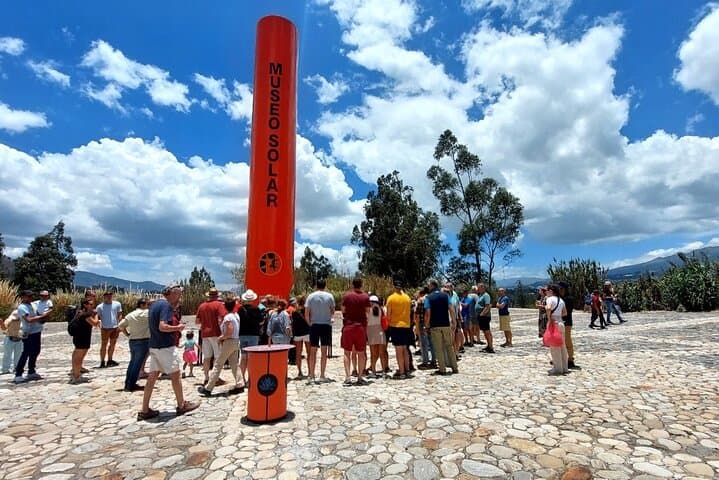
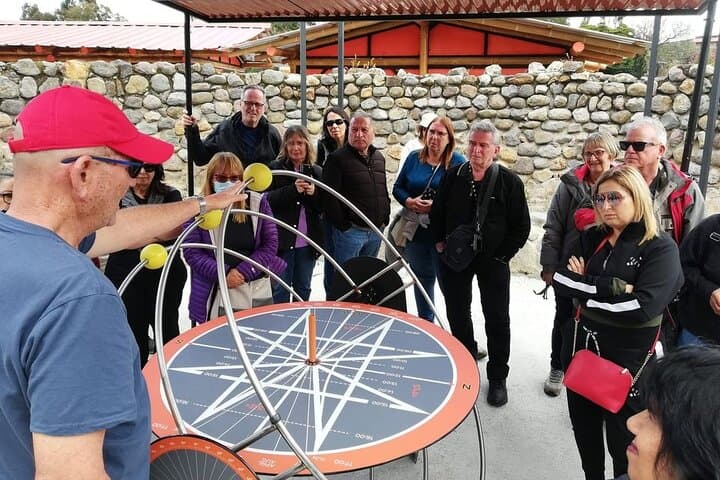
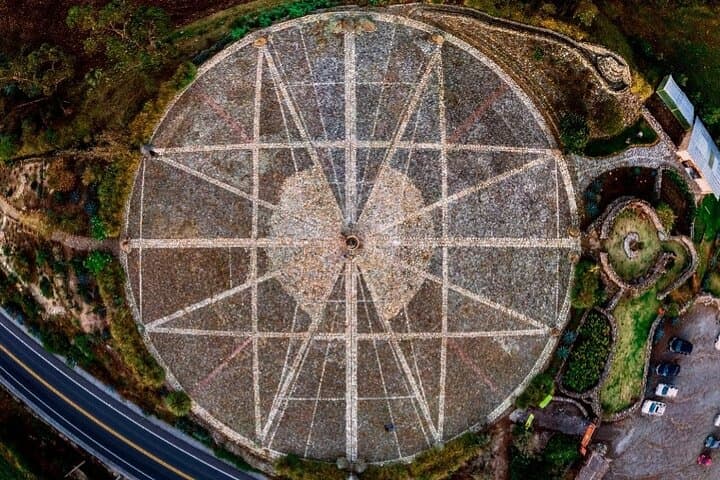
You step out of the van and the air is thin and cool, the Andes around you slicing a crisp horizon. First stop: the Quitsato Sundial — a wide circular mosaic that marks zero degrees latitude — where the guide explains how pre-Columbian Andean astronomers read the sun and seasons.
You step out of the van and the air is thin and cool, the Andes around you slicing a crisp horizon. First stop: the Quitsato Sundial — a wide circular mosaic that marks zero degrees latitude — where the guide explains how pre-Columbian Andean astronomers read the sun and seasons.
From the equator the route climbs into rolling páramo and volcano-scarred ridgelines. Cotacachi offers a quieter rhythm: leather workshops, low plazas and views that ride the shoulders of Cotacachi Volcano. The drama tightens at Cuicocha, a volcanic caldera lake whose two islands sit like smoothed stones in deep blue water; trails along the rim deliver panoramic views and the occasional wind that seems to push you forward.
Otavalo Market is the cultural crescendo — textiles, embroidered ponchos and handmade jewelry from the Kichwa artisans of the region. A brief tasting in Cayambe at a biscuit and agave spot brings a local flavor to the route between sites.
Geologically this corridor threads young volcanic lakes, uplifted volcanic cones and highland wetlands that sustain grazing fields and birdlife. Culturally it’s an active center of Indigenous craft traditions, still sold and produced by family workshops.
Practical side: the day is long (about eight hours) and at high elevation — hydrate, dress in layers, and keep some cash for small purchases. Wear solid shoes for cobblestone streets and the crater rim, and plan for variable weather: sun one hour, drizzle the next. A bilingual guide and private transport make this an efficient introduction to Ecuador’s northern highlands.