THE ADVENTURE COLLECTIVE® · Independent discovery and booking for outdoor travel

Combine a hands-on olive-mill tasting with a visit to Epidaurus’ famed theatre and Asklepieion on this 4–5 hour tour from Nafplio. Expect sensory lessons in oil and stone—aromatic groves, efficient mills, and acoustically perfect ruins.
Combine a hands-on olive-mill tasting with a visit to Epidaurus’ famed theatre and Asklepieion on this 4–5 hour tour from Nafplio. Expect sensory lessons in oil and stone—aromatic groves, efficient mills, and acoustically perfect ruins.
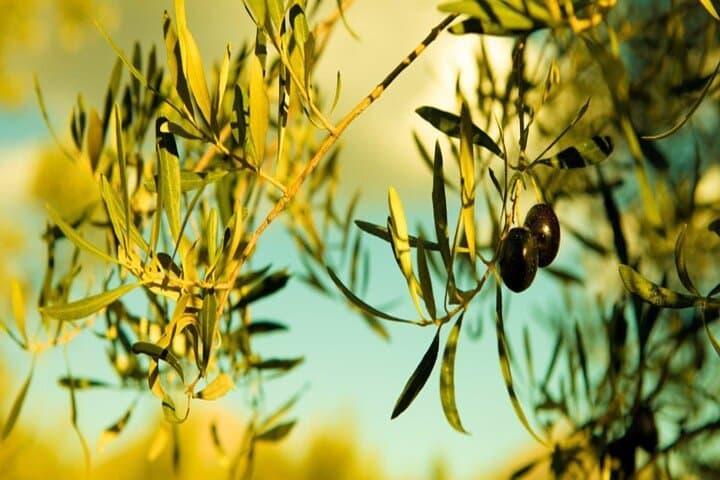
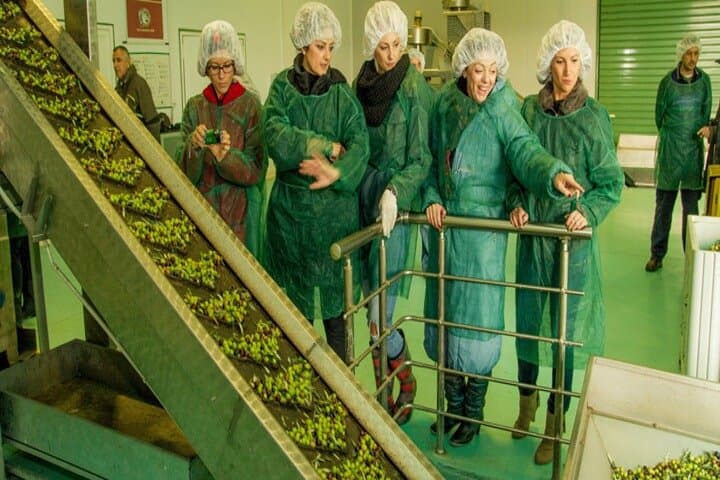
You step out of the minivan and the air changes—green, peppery, and sun-warmed. Rows of olive trees lean in like curious neighbors, leaves whispering as a steady Aegean breeze passes through. At the nearby mill the scent of crushed olives is immediate and honest; machines and hands work in tandem to turn fruit into gold, and the guide gestures toward the presses while explaining the simple chemistry that makes a Greek extra-virgin distinct.
Verified experiences and guided adventures in the surrounding area.
Operated by Landlife Travel · Nafplio, Peloponnese
You step out of the minivan and the air changes—green, peppery, and sun-warmed. Rows of olive trees lean in like curious neighbors, leaves whispering as a steady Aegean breeze passes through. At the nearby mill the scent of crushed olives is immediate and honest; machines and hands work in tandem to turn fruit into gold, and the guide gestures toward the presses while explaining the simple chemistry that makes a Greek extra-virgin distinct.
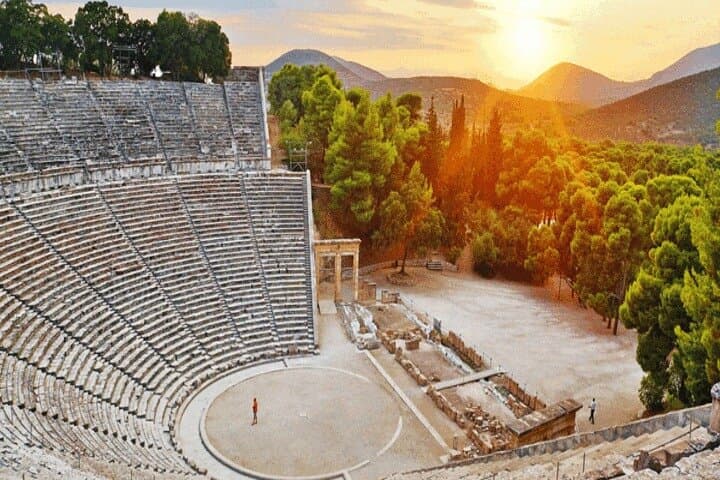
The route then moves from agriculture to antiquity: the Ancient Theatre of Epidaurus sits on a gentle slope, its limestone tiers peeling back the centuries. The acoustics are not myth—stand at center and the stone returns a whisper while the surrounding hills cradle sound. A short walk higher reveals the Asklepieion, an early sanctuary of healing where pilgrims sought treatments and sleep therapies under cypress shade.
Geology here is straightforward—limestone ridges and low valleys that drain to the Saronic Gulf—conditions that favor olive trees and create the dry, mineral character in local oils. Culturally, olive oil remains both commodity and ritual: tastings are instructive, teaching acidity, aroma, and mouthfeel through small pours and deliberate bites of bread.
Practical notes: the shared tour runs about 4–5 hours with roundtrip transfers from Nafplio, and the itinerary includes entrance fees and a professional tasting. Wear comfortable shoes for gravel paths and uneven archaeological terraces, bring water and sun protection, and plan for photography at the theatre. If you visit during harvest (October–January) you’ll see the mill in full motion; outside that window, the tasting and site visits remain informative and atmospheric.
easy.
4–5 hours.
Suitable for most fitness levels; requires short walks and standing during tasting and site visits.
The tour lasts approximately 4–5 hours and includes roundtrip transfers from Nafplio, entrance fees, an olive mill visit with a professional tasting, and a guided visit to the Ancient Theatre of Epidaurus and the Asklepieion.
Yes—children can attend but should be accompanied by an adult; tastings focus on small samples and explanations suitable for general audiences.
You can usually see the mill active during harvest season (October–January); outside that window the mill visit focuses on process demonstrations and tasting.
Accessibility is limited at the archaeological sites due to ancient stone steps and terraces; contact the operator ahead of time to discuss mobility needs and possible accommodations.
The Asklepieion at Epidaurus was a major ancient healing center (classical period) where patients sought ritual and medical treatments; the theatre, built in the 4th century BCE, is famed for its near-perfect acoustics.
Local mills often follow centuries-old low-intensity agriculture; visitors should respect groves by not picking fruit, supporting small producers, and avoiding litter to minimize impact.
Landlife Travel operates guided outdoor trips and adventures with an emphasis on safety, stewardship, and memorable experiences.
You step out of the minivan and the air changes—green, peppery, and sun-warmed. Rows of olive trees lean in like curious neighbors, leaves whispering as a steady Aegean breeze passes through. At the nearby mill the scent of crushed olives is immediate and honest; machines and hands work in tandem to turn fruit into gold, and the guide gestures toward the presses while explaining the simple chemistry that makes a Greek extra-virgin distinct.
You step out of the minivan and the air changes—green, peppery, and sun-warmed. Rows of olive trees lean in like curious neighbors, leaves whispering as a steady Aegean breeze passes through. At the nearby mill the scent of crushed olives is immediate and honest; machines and hands work in tandem to turn fruit into gold, and the guide gestures toward the presses while explaining the simple chemistry that makes a Greek extra-virgin distinct.
The route then moves from agriculture to antiquity: the Ancient Theatre of Epidaurus sits on a gentle slope, its limestone tiers peeling back the centuries. The acoustics are not myth—stand at center and the stone returns a whisper while the surrounding hills cradle sound. A short walk higher reveals the Asklepieion, an early sanctuary of healing where pilgrims sought treatments and sleep therapies under cypress shade.
Geology here is straightforward—limestone ridges and low valleys that drain to the Saronic Gulf—conditions that favor olive trees and create the dry, mineral character in local oils. Culturally, olive oil remains both commodity and ritual: tastings are instructive, teaching acidity, aroma, and mouthfeel through small pours and deliberate bites of bread.
Practical notes: the shared tour runs about 4–5 hours with roundtrip transfers from Nafplio, and the itinerary includes entrance fees and a professional tasting. Wear comfortable shoes for gravel paths and uneven archaeological terraces, bring water and sun protection, and plan for photography at the theatre. If you visit during harvest (October–January) you’ll see the mill in full motion; outside that window, the tasting and site visits remain informative and atmospheric.