THE ADVENTURE COLLECTIVE® · Independent discovery and booking for outdoor travel

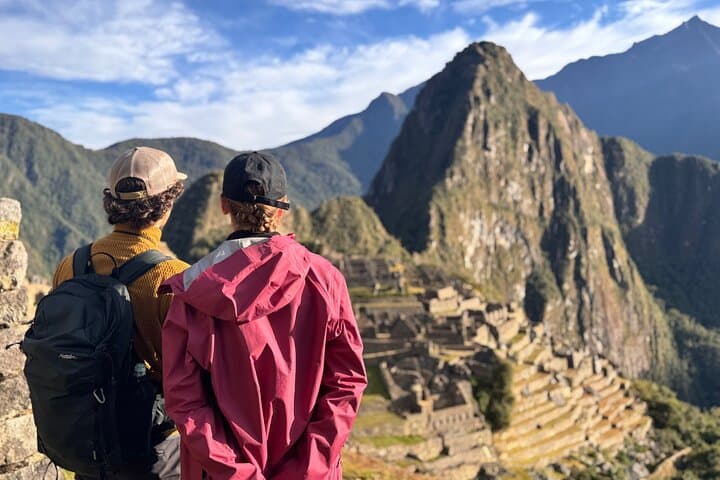
Drive over Abra Málaga, hike 10 km along the railway to Aguas Calientes and spend the next morning on a guided tour of Machu Picchu. This two-day option balances road travel with a rail-side hike and an immersive visit to the citadel.
Drive over Abra Málaga, hike 10 km along the railway to Aguas Calientes and spend the next morning on a guided tour of Machu Picchu. This two-day option balances road travel with a rail-side hike and an immersive visit to the citadel.
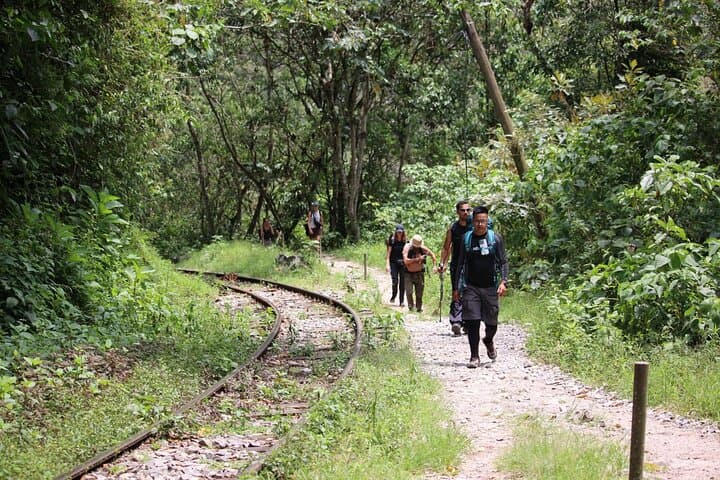
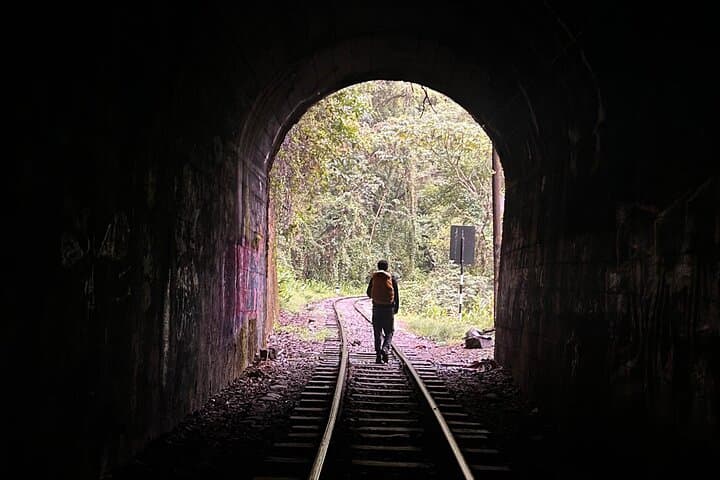
The day begins before dawn in Cusco as the vehicle threads its way over Abra Málaga, climbing to 4,316 m (14,160 ft) where the air is thin and the high Andes push the skyline into crisp ridgelines. The road then drops into cloud forest; rivers quicken and the landscape loosens into green. At Hidroeléctrica you trade the car for rail-side terrain and walk 10 km along the tracks—tropical vegetation brushing your shoulders, mountains keeping pace on both sides—until Aguas Calientes, the small town that serves Machu Picchu.
Verified experiences and guided adventures in the surrounding area.
Operated by Encuentros Peru Adventure · Aguas Calientes, Cusco
The day begins before dawn in Cusco as the vehicle threads its way over Abra Málaga, climbing to 4,316 m (14,160 ft) where the air is thin and the high Andes push the skyline into crisp ridgelines. The road then drops into cloud forest; rivers quicken and the landscape loosens into green. At Hidroeléctrica you trade the car for rail-side terrain and walk 10 km along the tracks—tropical vegetation brushing your shoulders, mountains keeping pace on both sides—until Aguas Calientes, the small town that serves Machu Picchu.
This itinerary stitches together geology and culture: the granite and schist of the eastern Andean flank give way to the volcanic and alluvial soil of the Urubamba valley, while Inca engineering still defines terraces and stonework above the cloud line. Locals in Aguas Calientes keep a tourism rhythm—early breakfasts, ticket queues, and careful briefing sessions that reflect decades of managing visitors to a UNESCO site.
Practical notes: arrive with acclimatization in Cusco (3,400 m), carry your passport (entry requirement), and plan for wet weather even in the “dry” months. The second-day options include a 1.5-hour steep hike to the Machu Picchu gate or a 30-minute bus (extra cost). Once inside, expect a 2.5-hour guided walk across the citadel’s terraces and plazas; uneven stone paths require steady footing.
Bring layered clothing, a rain jacket, and a small daypack; hydrate and pace yourself when crossing altitudes. The trip is travel-heavy but rewarding: you’ll leave with context for the stones and a clearer sense of how modern routes trace ancient ones.
moderate.
Approx. 2 days (48 hours).
Moderate fitness required — ability to walk 10 km and manage short steep climbs at altitude.
Yes — your passport is required at entry and must match the name on your ticket, so bring it in original form.
It’s mostly flat but can be rough underfoot; expect 2.5–3 hours with river and jungle exposure—good fitness and proper shoes help.
Yes — the bus is about 30 minutes and costs roughly USD 12 each way; it’s the faster and easier option compared with the 1.5-hour uphill walk.
This tour includes the Machu Picchu entrance ticket; confirm the ticket type (citadel only vs. Huayna Picchu) when booking as upgrades are separate.
Machu Picchu was built in the 15th century under the Inca and later abandoned during the Spanish conquest; rediscovery in 1911 brought global attention to Inca stonework and terraces.
Visitor numbers are regulated through timed tickets and guided tours to limit erosion; stick to marked paths, avoid stepping on terraces, and follow local guide instructions.
Encuentros Peru Adventure operates guided outdoor trips and adventures with an emphasis on safety, stewardship, and memorable experiences.
The day begins before dawn in Cusco as the vehicle threads its way over Abra Málaga, climbing to 4,316 m (14,160 ft) where the air is thin and the high Andes push the skyline into crisp ridgelines. The road then drops into cloud forest; rivers quicken and the landscape loosens into green. At Hidroeléctrica you trade the car for rail-side terrain and walk 10 km along the tracks—tropical vegetation brushing your shoulders, mountains keeping pace on both sides—until Aguas Calientes, the small town that serves Machu Picchu.
The day begins before dawn in Cusco as the vehicle threads its way over Abra Málaga, climbing to 4,316 m (14,160 ft) where the air is thin and the high Andes push the skyline into crisp ridgelines. The road then drops into cloud forest; rivers quicken and the landscape loosens into green. At Hidroeléctrica you trade the car for rail-side terrain and walk 10 km along the tracks—tropical vegetation brushing your shoulders, mountains keeping pace on both sides—until Aguas Calientes, the small town that serves Machu Picchu.
This itinerary stitches together geology and culture: the granite and schist of the eastern Andean flank give way to the volcanic and alluvial soil of the Urubamba valley, while Inca engineering still defines terraces and stonework above the cloud line. Locals in Aguas Calientes keep a tourism rhythm—early breakfasts, ticket queues, and careful briefing sessions that reflect decades of managing visitors to a UNESCO site.
Practical notes: arrive with acclimatization in Cusco (3,400 m), carry your passport (entry requirement), and plan for wet weather even in the “dry” months. The second-day options include a 1.5-hour steep hike to the Machu Picchu gate or a 30-minute bus (extra cost). Once inside, expect a 2.5-hour guided walk across the citadel’s terraces and plazas; uneven stone paths require steady footing.
Bring layered clothing, a rain jacket, and a small daypack; hydrate and pace yourself when crossing altitudes. The trip is travel-heavy but rewarding: you’ll leave with context for the stones and a clearer sense of how modern routes trace ancient ones.