THE ADVENTURE COLLECTIVE® · Independent discovery and booking for outdoor travel

Float over Luxor at dawn, sail the Nile between ancient riverbanks, and stand beneath the façade of Abu Simbel. This 8‑night loop pairs cultural depth with hands-on logistics — ideal for travelers who want a full sweep of Egypt’s monuments without micromanaging transport.
Float over Luxor at dawn, sail the Nile between ancient riverbanks, and stand beneath the façade of Abu Simbel. This 8‑night loop pairs cultural depth with hands-on logistics — ideal for travelers who want a full sweep of Egypt’s monuments without micromanaging transport.
The sun lifts off the Nile and the river answers — a slow, measured ribbon of bright water threading through ochre desert and palm-fringed villages. You begin in Cairo among the hum of the city, then step into a different tempo: night trains, a 5-star cruise moored between riverbanks, and a dawn hot-air balloon over Luxor’s temples that lets the landscape breathe beneath you.
Verified experiences and guided adventures in the surrounding area.
Operated by Tours Around Egypt · Cairo, Cairo Governorate
The sun lifts off the Nile and the river answers — a slow, measured ribbon of bright water threading through ochre desert and palm-fringed villages. You begin in Cairo among the hum of the city, then step into a different tempo: night trains, a 5-star cruise moored between riverbanks, and a dawn hot-air balloon over Luxor’s temples that lets the landscape breathe beneath you.
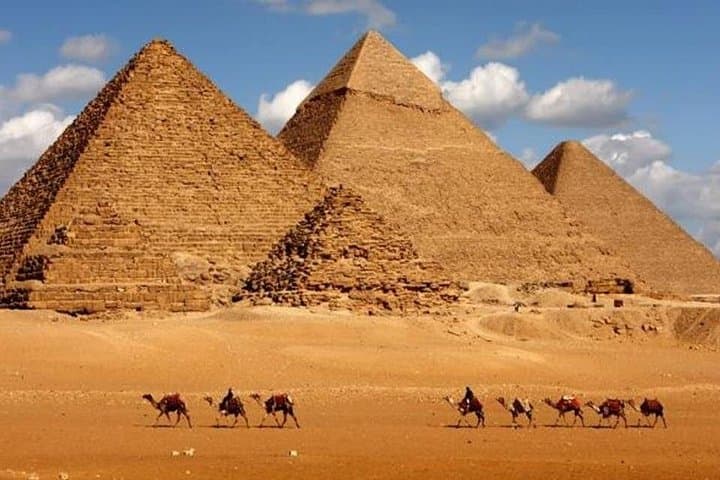
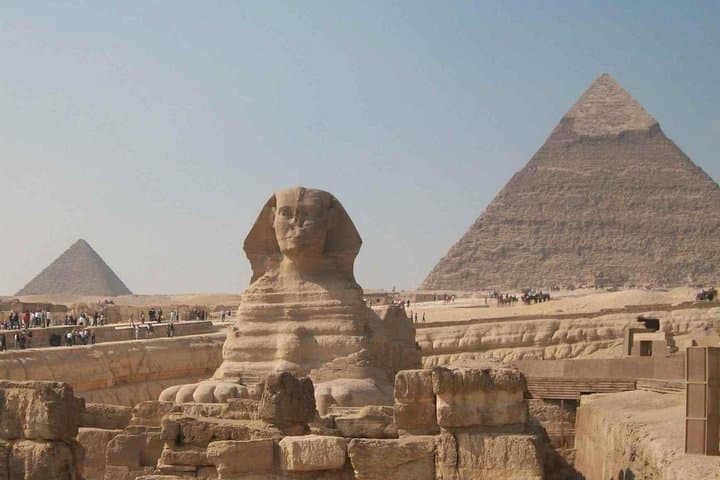
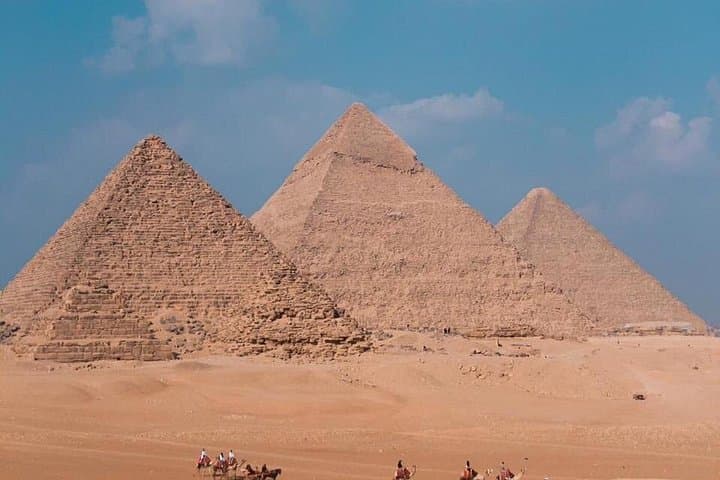
This itinerary stitches together the core eras of Egyptian history: Old Kingdom pyramids at Giza, New Kingdom tombs in the Valley of the Kings, the colossal pylons of Karnak, and the relocated miracle of Abu Simbel some 280 km south of Aswan. Geology is obvious — limestone ridges cut by the Nile’s floodplain; the river both cradle and corridor for millennia of settlement. Local culture pivots between Coptic and Islamic Cairo, Nubian markets in Aswan, and boatmen tending feluccas as they have for generations.
Practically, expect early starts (balloon ops before sunrise, Abu Simbel at dawn), multi-hour drives and trains, and roughly 200–220 km of cruising between Luxor and Aswan. Bring sun protection and layered clothing for cool desert mornings and hot afternoons. Wear sturdy walking shoes for uneven temple steps and brief sandy stretches; carry water and a daypack for camera gear and permits. Booking includes transfers, most meals on board, and guided Egyptology commentary — but factor in entrance queues at major sites and modest walking distances inside tombs.
This trip balances slow river travel with high-impact highlights: archaeological giants, a slow-motion portrait of Nile life, and the rare lift of a balloon flight over an open-air museum.
moderate.
8 days.
Moderate — able to manage stairs, uneven surfaces, and several long travel days; not technically demanding
Most visitors require a tourist visa; requirements depend on nationality — check Egypt’s government visa page or your embassy and arrange a visa before travel or on arrival where eligible.
Balloon flights typically last 45–60 minutes with an early-morning pickup; operations depend on weather and require light physical mobility.
Most buffet breakfasts, lunches, and dinners on the described 5-star Nile cruise are included; check specifics for off-ship meals and airport transfers.
Yes — Abu Simbel is about 280 km (roughly 3–4 hours drive each way) and is usually scheduled as an early start to avoid midday heat and traffic.
The Nile has been Egypt’s lifeline for millennia; New Kingdom pharaohs concentrated temples along Luxor’s banks, while later generations relocated Abu Simbel during the Aswan High Dam era.
Tourist pressure and development strain fragile monuments; travelers should stick to paths, avoid touching reliefs, and support local conservation initiatives when possible.
Tours Around Egypt operates guided outdoor trips and adventures with an emphasis on safety, stewardship, and memorable experiences.
The sun lifts off the Nile and the river answers — a slow, measured ribbon of bright water threading through ochre desert and palm-fringed villages. You begin in Cairo among the hum of the city, then step into a different tempo: night trains, a 5-star cruise moored between riverbanks, and a dawn hot-air balloon over Luxor’s temples that lets the landscape breathe beneath you.
The sun lifts off the Nile and the river answers — a slow, measured ribbon of bright water threading through ochre desert and palm-fringed villages. You begin in Cairo among the hum of the city, then step into a different tempo: night trains, a 5-star cruise moored between riverbanks, and a dawn hot-air balloon over Luxor’s temples that lets the landscape breathe beneath you.
This itinerary stitches together the core eras of Egyptian history: Old Kingdom pyramids at Giza, New Kingdom tombs in the Valley of the Kings, the colossal pylons of Karnak, and the relocated miracle of Abu Simbel some 280 km south of Aswan. Geology is obvious — limestone ridges cut by the Nile’s floodplain; the river both cradle and corridor for millennia of settlement. Local culture pivots between Coptic and Islamic Cairo, Nubian markets in Aswan, and boatmen tending feluccas as they have for generations.
Practically, expect early starts (balloon ops before sunrise, Abu Simbel at dawn), multi-hour drives and trains, and roughly 200–220 km of cruising between Luxor and Aswan. Bring sun protection and layered clothing for cool desert mornings and hot afternoons. Wear sturdy walking shoes for uneven temple steps and brief sandy stretches; carry water and a daypack for camera gear and permits. Booking includes transfers, most meals on board, and guided Egyptology commentary — but factor in entrance queues at major sites and modest walking distances inside tombs.
This trip balances slow river travel with high-impact highlights: archaeological giants, a slow-motion portrait of Nile life, and the rare lift of a balloon flight over an open-air museum.